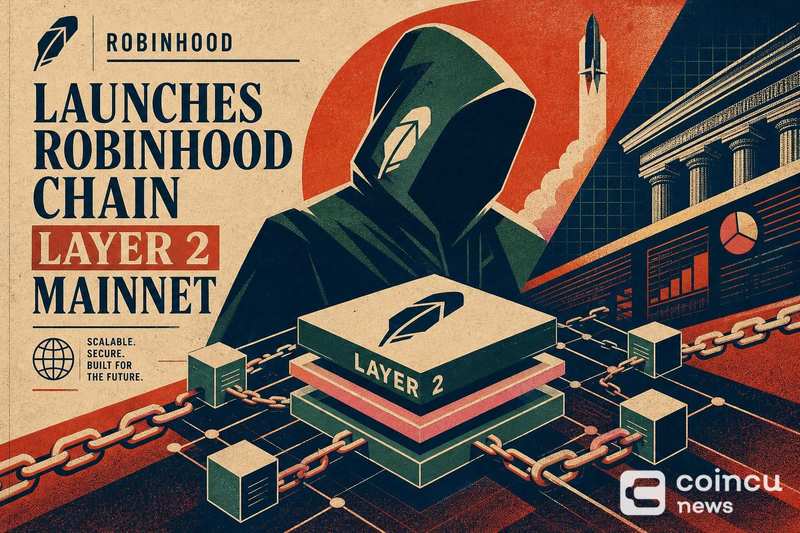
Robinhood has launched Robinhood Chain, its own Layer 2 mainnet, marking the trading platform’s move from crypto brokerage into blockchain infrastructure. The Robinhood Chain Layer 2 mainnet represents a shift from offering access to existing networks toward operating a proprietary chain.
What the Robinhood Chain mainnet launch includes
Robinhood Chain is now live as a Layer 2 network, moving beyond the testnet phase into a production environment. The chain has its own dedicated product page and documentation for developers looking to connect to the network. For related coverage, see Robinhood Introduces BNB Trading on its Platform.
The launch includes infrastructure support from established providers. QuickNode announced support for Robinhood Chain, giving developers access to node infrastructure without running their own hardware. This kind of third-party integration signals that the chain is designed for external developer participation, not just internal Robinhood use. For related coverage, see Movement Token Generation Event Planned On Ethereum Mainnet.
On-chain activity can be tracked through the network’s Blockscout explorer, which provides transaction visibility and contract verification tools standard for Layer 2 networks. The explorer’s availability at launch indicates Robinhood built out core infrastructure tooling before going live.
Developer documentation for connecting to Robinhood Chain is already published, covering wallet setup and network configuration. This lowers the barrier for builders who want to deploy contracts or integrate applications with the new chain.
How a branded chain fits Robinhood’s broader crypto strategy
Robinhood has progressively expanded its crypto offerings beyond simple token trading. The company previously launched new crypto features and services and introduced BNB trading on its platform, building out a broader digital asset product suite.
Launching a proprietary Layer 2 represents a different kind of expansion. Rather than adding more tokens to trade, Robinhood is now operating the infrastructure itself. This follows a pattern seen with other consumer platforms that have moved deeper into blockchain operations.
The company has also been accelerating its international push with launches in Europe, Canada, and Singapore. A dedicated chain could serve as unified infrastructure across these markets, providing consistent on-chain capabilities regardless of jurisdiction.
Robinhood’s interest in Ethereum-based Layer 2 infrastructure was previously signaled when the company began exploring an Ethereum L2 chain for real-world assets. The mainnet launch now makes that exploration concrete.
What the launch could mean for users and developers
For Robinhood’s existing user base, the Layer 2 mainnet could eventually offer lower transaction costs and faster settlement compared to transacting directly on Ethereum’s Layer 1. Layer 2 networks batch transactions before posting them to the base layer, which typically reduces per-transaction fees.
For developers, a consumer platform with tens of millions of accounts providing a dedicated chain creates a potential distribution channel. Applications deployed on Robinhood Chain could theoretically reach users who already have Robinhood accounts, reducing the onboarding friction that plagues many crypto applications.
However, the actual user experience and feature set available at launch remain limited in public documentation. Whether Robinhood Chain will initially support DeFi applications, NFTs, or focus narrowly on payments and transfers is not yet fully detailed in available sources.
The mainnet in context: exchanges building their own chains
Robinhood is not the first major financial platform to launch a dedicated blockchain. The trend of exchanges and brokerages building proprietary chains has grown as companies seek to capture value from on-chain activity rather than simply facilitating access to third-party networks.
The Layer 2 landscape is competitive, with established networks like Arbitrum, Optimism, and Base already holding significant market share. A new entrant needs a clear value proposition, whether through unique features, lower costs, or built-in distribution to an existing user base.
Robinhood’s advantage lies in its retail user base and regulated status. The risk lies in execution: building a thriving developer ecosystem requires sustained investment, and many branded chains have launched to limited adoption. The gap between a live mainnet and a thriving ecosystem is substantial.
FAQ about Robinhood Chain Layer 2 mainnet
What is Robinhood Chain?
Robinhood Chain is a Layer 2 blockchain network launched by Robinhood. It operates on top of Ethereum’s base layer and is designed to provide faster, cheaper transactions while inheriting Ethereum’s security guarantees.
What does a Layer 2 mainnet launch mean?
A mainnet launch means the network is live and processing real transactions, as opposed to a testnet where developers experiment with no real assets at stake. It signals that the chain is ready for production use.
Who can use Robinhood Chain?
Developers can connect to the network using published documentation. The chain’s block explorer is publicly accessible for anyone to view transactions. Broader user access through Robinhood’s consumer app will depend on product rollout decisions the company has not fully detailed.
How does Robinhood Chain differ from other Layer 2 networks?
The primary differentiator is its backing by a publicly traded, regulated financial services company with an established retail user base. Other Layer 2 and Layer 3 platforms typically emerge from crypto-native teams rather than traditional brokerages.
Disclaimer: This article is for informational purposes only and does not constitute financial or investment advice. Cryptocurrency and digital asset markets carry significant risk. Always do your own research before making decisions.
No tags available.


Other Posts








- China, US Conclude Trade Talks with Focus on Cooperation
- Crypto Weekly: NYSE Backs OKX, Kraken Gets Fed Access, BTC Sells
- DeriW Launches Edge Hour Trading Competition Platform for Derivatives Traders
- Court Upholds Fed’s Rejection of Custodia Bank’s Request
- Former CFO Convicted for $35M Fraudulent Crypto Investment
- Michael Saylor Denies Bitcoin Sell-Off Amid Large BTC Transfer
- Buy Dogecoin on eToro: Step-by-Step Guide for Beginners (2024)
- Kazakhstan Explores Crypto Reserves Backed by National Funds
- JPMorgan Increases Holdings in BlackRock’s Bitcoin ETF
- Nordea Bank Introduces Bitcoin ETP Trading for Nordic Customers
- XRP Spot ETF Launches on Nasdaq Amid Market Fluctuations
- Crypto Leaders Address Macro Volatility Amid Market Shifts
- Peter Schiff Challenges Michael Saylor on MSTR’s Business Model
- Thailand Orders Worldcoin to Delete 1.2 Million Biometric Records
- UK Proposes New DeFi Tax Framework to Ease User Burden
- WLFI Under Fire: Analyst Warns Hyperliquid Could Be Next
- Ancient Ethereum Whale Moves $1.19 Billion After Decade
- BlackRock Receives Large Crypto Transfers from Coinbase
- SEC Scrutiny on ALT5 Sigma’s Leadership Disclosure Timing
- MoonPay Gains Trust License for Crypto Operations in New York
- China, US Conclude Trade Talks with Focus on Cooperation
- Crypto Weekly: NYSE Backs OKX, Kraken Gets Fed Access, BTC Sells
- DeriW Launches Edge Hour Trading Competition Platform for Derivatives Traders
- Court Upholds Fed’s Rejection of Custodia Bank’s Request
- Former CFO Convicted for $35M Fraudulent Crypto Investment
- Michael Saylor Denies Bitcoin Sell-Off Amid Large BTC Transfer
- Buy Dogecoin on eToro: Step-by-Step Guide for Beginners (2024)
- Kazakhstan Explores Crypto Reserves Backed by National Funds
- JPMorgan Increases Holdings in BlackRock’s Bitcoin ETF
- Nordea Bank Introduces Bitcoin ETP Trading for Nordic Customers
- XRP Spot ETF Launches on Nasdaq Amid Market Fluctuations
- Crypto Leaders Address Macro Volatility Amid Market Shifts
- Peter Schiff Challenges Michael Saylor on MSTR’s Business Model
- Thailand Orders Worldcoin to Delete 1.2 Million Biometric Records
- UK Proposes New DeFi Tax Framework to Ease User Burden
- WLFI Under Fire: Analyst Warns Hyperliquid Could Be Next
- Ancient Ethereum Whale Moves $1.19 Billion After Decade
- BlackRock Receives Large Crypto Transfers from Coinbase
- SEC Scrutiny on ALT5 Sigma’s Leadership Disclosure Timing
- MoonPay Gains Trust License for Crypto Operations in New York
- China, US Conclude Trade Talks with Focus on Cooperation
- Crypto Weekly: NYSE Backs OKX, Kraken Gets Fed Access, BTC Sells
- DeriW Launches Edge Hour Trading Competition Platform for Derivatives Traders
- Court Upholds Fed’s Rejection of Custodia Bank’s Request
- Former CFO Convicted for $35M Fraudulent Crypto Investment
- Michael Saylor Denies Bitcoin Sell-Off Amid Large BTC Transfer
- Buy Dogecoin on eToro: Step-by-Step Guide for Beginners (2024)
- Kazakhstan Explores Crypto Reserves Backed by National Funds
- JPMorgan Increases Holdings in BlackRock’s Bitcoin ETF
- Nordea Bank Introduces Bitcoin ETP Trading for Nordic Customers
- XRP Spot ETF Launches on Nasdaq Amid Market Fluctuations
- Crypto Leaders Address Macro Volatility Amid Market Shifts
- Peter Schiff Challenges Michael Saylor on MSTR’s Business Model
- Thailand Orders Worldcoin to Delete 1.2 Million Biometric Records
- UK Proposes New DeFi Tax Framework to Ease User Burden
- WLFI Under Fire: Analyst Warns Hyperliquid Could Be Next
- Ancient Ethereum Whale Moves $1.19 Billion After Decade
- BlackRock Receives Large Crypto Transfers from Coinbase
- SEC Scrutiny on ALT5 Sigma’s Leadership Disclosure Timing
- MoonPay Gains Trust License for Crypto Operations in New York


Streamex Launches Tokenized Gold Security GLDY for Brokerage Accounts

Bitcoin Breaks Above $60,000: What’s Driving BTC’s Latest Move?
Ethereum Institutional Launches as Independent Non-Profit to Bring Institutional Finance Onchain at Scale