Minnesota Prediction Market Ban Paused for Kalshi and Polymarket
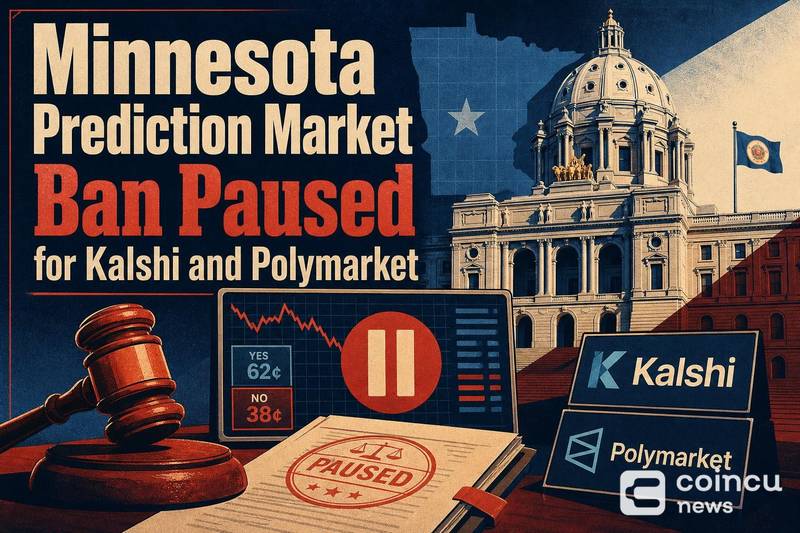
Minnesota’s prediction market ban has been paused for Kalshi and Polymarket, giving the two platforms temporary relief while their legal challenge against the state plays out. The pause halts enforcement for now, but it does not repeal the underlying restriction or settle the dispute.
What the Pause Means in Minnesota
The development is a temporary halt, not a permanent win. A pause means the state’s restriction on prediction markets is not being enforced against Kalshi and Polymarket while the case is active, according to Courthouse News reporting on the two companies’ effort to block the ban. For related coverage, see Bitcoin Falls Below 64,000 USDT, Down 2.18% in 24 Hours.
That distinction matters. A pause is a procedural status that can be lifted, extended, or replaced by a final ruling, and it is different from a repeal of the law or a definitive court victory for either platform. For related coverage, see TradeXYZ Contributed $215K to $241.8K of Hyperliquid Revenue in 24 Hours.
Minnesota’s broader stance on regulated markets and digital assets has been shifting on multiple fronts, as seen when the state signed a bill allowing banks to offer crypto custody services and debated the Minnesota Bitcoin Act’s tax and integration proposals. The prediction market fight is a separate legal track from those measures.
Why Kalshi and Polymarket Are at the Center
Kalshi is a federally regulated event-contract exchange where users trade on the outcomes of real-world events. Polymarket is a prediction market platform in the same category, and both were named directly in the Minnesota action, the Star Tribune reported. For related coverage, see Bitcoin BIP-110 Signal Window Opens in Under Two Weeks as Support Hits 2.64%.
Kalshi joined in suing Minnesota over the restriction, a move tied to the platform’s federal regulatory posture, according to coverage of the filing. The clash pits state-level enforcement against companies that argue their contracts fall under federal oversight.
Prediction markets draw attention from crypto and trading audiences because Polymarket settles on-chain and both platforms overlap with the same speculative, event-driven activity that defines much of digital-asset trading.
What Traders and Users Should Assume Today
For now, the pause reduces immediate enforcement risk in Minnesota, but users cannot treat it as a guarantee of long-term access. The status can change if the court modifies or lifts the halt.
What remains uncertain is how the case resolves and whether the state renews enforcement afterward. Users should read the pause as short-term stability rather than a settled outcome, because the broader dispute over whether Minnesota can ban these markets is still unresolved.
What to Watch Next
The next signals to monitor are procedural: further hearings, any ruling that converts the pause into a longer injunction, and whether Minnesota moves to reinstate enforcement. Each of those steps could shift the platforms’ standing in the state.
The case is also worth watching as a potential signal for other jurisdictions weighing similar restrictions, since a decision here could inform how states approach prediction markets that claim federal regulation. The current status can still change, so no outcome should be assumed.
FAQ
What does a paused ban mean?
It means Minnesota’s restriction is not being enforced against the named platforms while the legal challenge continues. It is a temporary halt, not a repeal or a final ruling.
Does the pause apply to both Kalshi and Polymarket?
Yes. Both platforms were named in the Minnesota action and are the parties fighting to block the ban, per the reporting cited above.
Is the Minnesota case fully resolved?
No. The pause addresses enforcement in the near term, but the underlying dispute over the ban has not been settled.
Disclaimer: This article is for informational purposes only and does not constitute financial or investment advice. Cryptocurrency and digital asset markets carry significant risk. Always do your own research before making decisions.
No tags available.


Other Posts








- China, US Conclude Trade Talks with Focus on Cooperation
- Crypto Weekly: NYSE Backs OKX, Kraken Gets Fed Access, BTC Sells
- Court Upholds Fed’s Rejection of Custodia Bank’s Request
- Former CFO Convicted for $35M Fraudulent Crypto Investment
- DeriW Launches Edge Hour Trading Competition Platform for Derivatives Traders
- Michael Saylor Denies Bitcoin Sell-Off Amid Large BTC Transfer
- Buy Dogecoin on eToro: Step-by-Step Guide for Beginners (2024)
- Kazakhstan Explores Crypto Reserves Backed by National Funds
- JPMorgan Increases Holdings in BlackRock’s Bitcoin ETF
- Nordea Bank Introduces Bitcoin ETP Trading for Nordic Customers
- XRP Spot ETF Launches on Nasdaq Amid Market Fluctuations
- Peter Schiff Challenges Michael Saylor on MSTR’s Business Model
- Thailand Orders Worldcoin to Delete 1.2 Million Biometric Records
- UK Proposes New DeFi Tax Framework to Ease User Burden
- WLFI Under Fire: Analyst Warns Hyperliquid Could Be Next
- Ancient Ethereum Whale Moves $1.19 Billion After Decade
- BlackRock Receives Large Crypto Transfers from Coinbase
- SEC Scrutiny on ALT5 Sigma’s Leadership Disclosure Timing
- Yala Injects $5.5 Million Amid Recovery Efforts
- Radiant Capital Faces $50M Loss in Major Security Breach
- China, US Conclude Trade Talks with Focus on Cooperation
- Crypto Weekly: NYSE Backs OKX, Kraken Gets Fed Access, BTC Sells
- Court Upholds Fed’s Rejection of Custodia Bank’s Request
- Former CFO Convicted for $35M Fraudulent Crypto Investment
- DeriW Launches Edge Hour Trading Competition Platform for Derivatives Traders
- Michael Saylor Denies Bitcoin Sell-Off Amid Large BTC Transfer
- Buy Dogecoin on eToro: Step-by-Step Guide for Beginners (2024)
- Kazakhstan Explores Crypto Reserves Backed by National Funds
- JPMorgan Increases Holdings in BlackRock’s Bitcoin ETF
- Nordea Bank Introduces Bitcoin ETP Trading for Nordic Customers
- XRP Spot ETF Launches on Nasdaq Amid Market Fluctuations
- Peter Schiff Challenges Michael Saylor on MSTR’s Business Model
- Thailand Orders Worldcoin to Delete 1.2 Million Biometric Records
- UK Proposes New DeFi Tax Framework to Ease User Burden
- WLFI Under Fire: Analyst Warns Hyperliquid Could Be Next
- Ancient Ethereum Whale Moves $1.19 Billion After Decade
- BlackRock Receives Large Crypto Transfers from Coinbase
- SEC Scrutiny on ALT5 Sigma’s Leadership Disclosure Timing
- Yala Injects $5.5 Million Amid Recovery Efforts
- Radiant Capital Faces $50M Loss in Major Security Breach
- China, US Conclude Trade Talks with Focus on Cooperation
- Crypto Weekly: NYSE Backs OKX, Kraken Gets Fed Access, BTC Sells
- Court Upholds Fed’s Rejection of Custodia Bank’s Request
- Former CFO Convicted for $35M Fraudulent Crypto Investment
- DeriW Launches Edge Hour Trading Competition Platform for Derivatives Traders
- Michael Saylor Denies Bitcoin Sell-Off Amid Large BTC Transfer
- Buy Dogecoin on eToro: Step-by-Step Guide for Beginners (2024)
- Kazakhstan Explores Crypto Reserves Backed by National Funds
- JPMorgan Increases Holdings in BlackRock’s Bitcoin ETF
- Nordea Bank Introduces Bitcoin ETP Trading for Nordic Customers
- XRP Spot ETF Launches on Nasdaq Amid Market Fluctuations
- Peter Schiff Challenges Michael Saylor on MSTR’s Business Model
- Thailand Orders Worldcoin to Delete 1.2 Million Biometric Records
- UK Proposes New DeFi Tax Framework to Ease User Burden
- WLFI Under Fire: Analyst Warns Hyperliquid Could Be Next
- Ancient Ethereum Whale Moves $1.19 Billion After Decade
- BlackRock Receives Large Crypto Transfers from Coinbase
- SEC Scrutiny on ALT5 Sigma’s Leadership Disclosure Timing
- Yala Injects $5.5 Million Amid Recovery Efforts
- Radiant Capital Faces $50M Loss in Major Security Breach

Minnesota Prediction Market Ban Paused for Kalshi and Polymarket


TradeXYZ Contributed $215K to $241.8K of Hyperliquid Revenue in 24 Hours
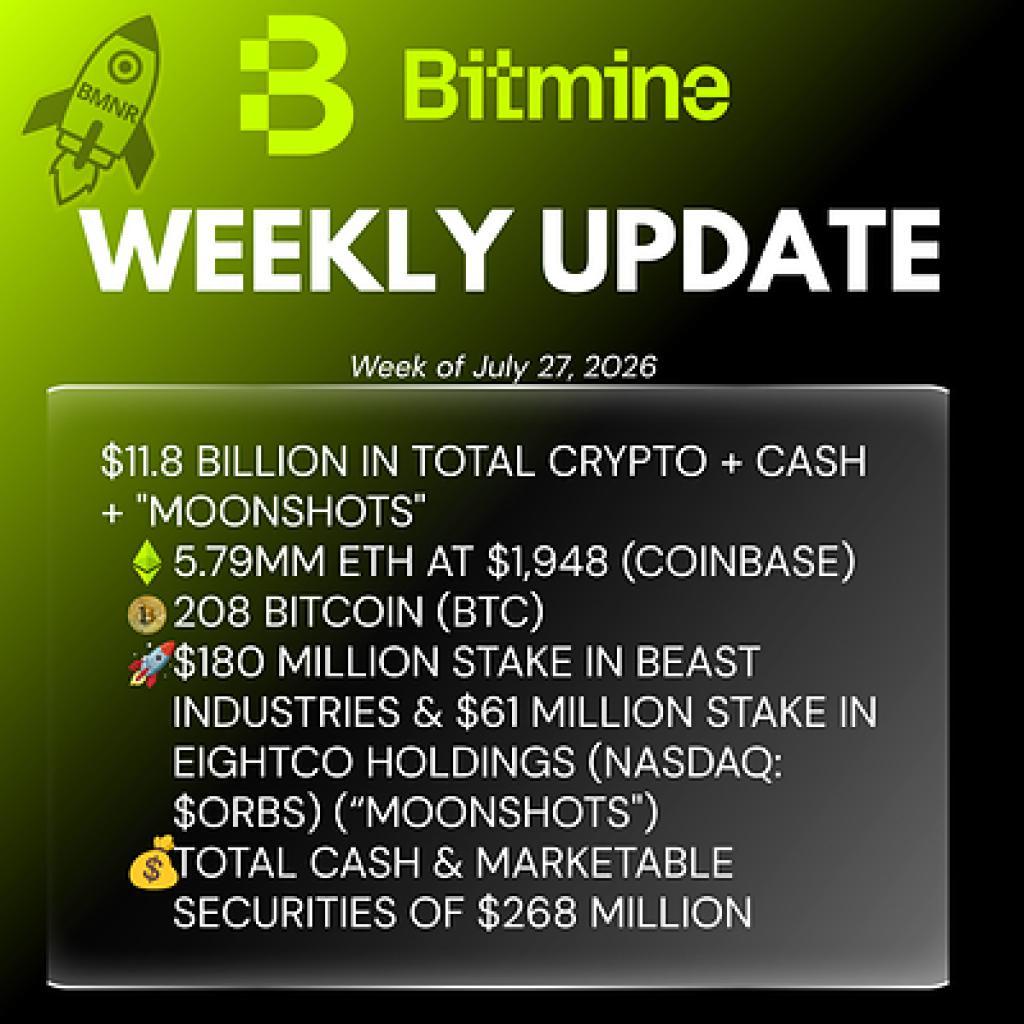
Bitmine Immersion Technologies (BMNR) Announces ETH Holdings Reach 5.79 Million Tokens, and Total Crypto and Total Cash Holdings of $11.8 Billion
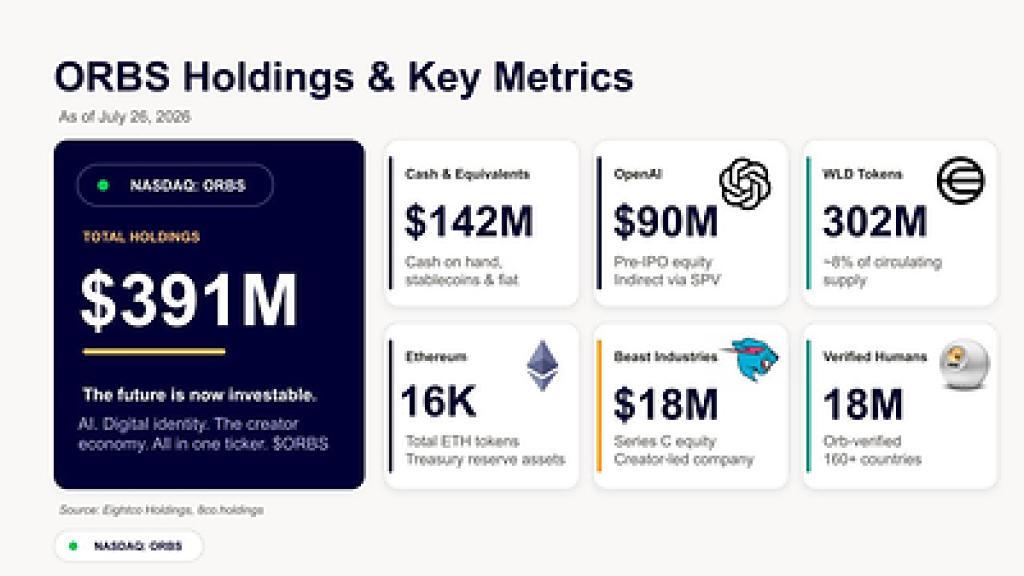
Eightco Holdings (NASDAQ: ORBS) Announces its Participation in World Foundation’s $52.5M funding round as World Shifts From Building the Network to Scaling Utility