UK parliamentary digital assets group launches inquiry into crypto banking access
A UK parliamentary digital assets group has launched an inquiry into crypto banking access, opening a review of how banks treat digital asset firms and the customers who use them. The move puts the question of whether crypto companies can reliably open and keep bank accounts on the parliamentary agenda.
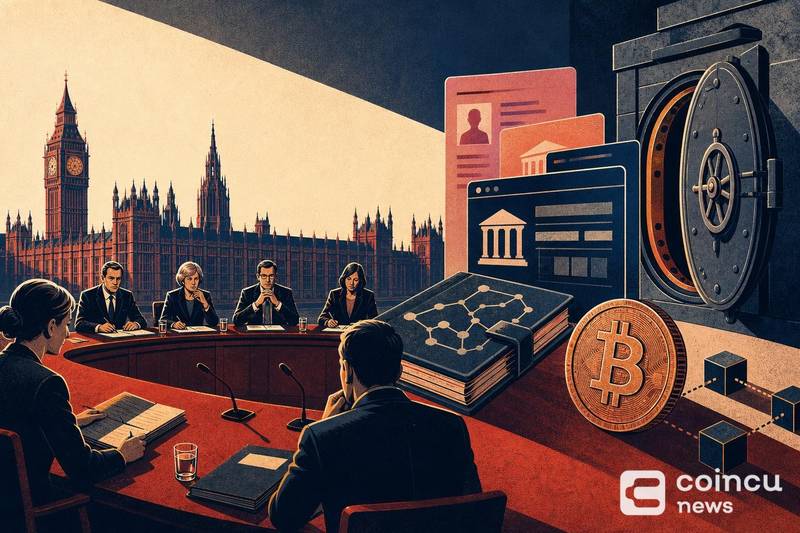
What the parliamentary digital assets group announced
The inquiry follows the relaunch of the UK Parliament’s crypto and digital assets group, which was reconstituted to help shape the country’s regulatory direction. The group has previously moved to examine the wider crypto market, and the banking-access review continues that work.
At its core, the inquiry looks at whether businesses and individuals connected to digital assets can obtain and retain access to everyday banking services. That includes account opening, payments, and the ongoing relationships that firms need to operate. For related coverage, see Crypto platforms face AFSL licensing under 2025 bill.
Why crypto banking access has become a pressure point
Banking access matters because exchanges, startups, and everyday users all depend on functioning accounts to move money, hold customer funds, and run payroll. When accounts are closed or delayed, business continuity is directly affected. For related coverage, see Digital euro timeline eyed amid ECB succession rumors.
The problem is not hypothetical. A survey of exchanges found that UK banks have blocked or delayed payments to crypto platforms, pointing to friction between the banking sector and digital asset firms.
The tension sits between banks’ risk controls, covering anti-money-laundering, fraud, and reputational concerns, and the goal of financial inclusion. A blanket restriction on a whole sector is different from a targeted compliance decision, and separating the two is central to the debate.
What the inquiry could mean for firms, banks, and policymakers
For crypto companies, the inquiry could shape whether they can secure durable bank relationships rather than facing repeated onboarding hurdles. For banks, it raises questions about how to manage compliance and reputational risk without cutting off compliant clients.
The relevance is underscored by the scale of the user base. UK regulators have noted that crypto ownership continues to rise as authorities advance plans to regulate the sector, meaning banking-access issues touch a growing share of consumers.
The banking question also runs alongside broader legislative work. Members debated digital assets during the Financial Services and Markets Bill in the House of Lords, signalling that crypto policy remains active across Parliament.
Key questions the inquiry is likely to examine
Whether crypto firms are treated consistently across banks is a central question, given reports that some payments are blocked or delayed while others proceed. Inconsistent treatment complicates planning for firms trying to operate within the rules.
How banks assess AML, fraud, and reputational risk tied to digital assets is another likely focus. The review may probe whether current standards create unnecessary barriers for compliant companies rather than targeting genuine risk.
The inquiry sits within a broader set of UK reviews touching crypto, from lawmakers examining crypto political donations to a review of crypto payments in betting, reflecting how many parts of government are now engaging with the sector.
FAQ: UK crypto banking access inquiry
What is the UK parliamentary digital assets group? It is a Parliament-linked group focused on crypto and digital assets, relaunched to help shape the UK’s regulatory future.
What does crypto banking access mean? It refers to the ability of crypto firms and users to open, keep, and use standard bank accounts and payment services.
Why does the inquiry matter? Reported blocking and delaying of payments to crypto platforms can disrupt operations for exchanges and startups and affect a growing base of crypto owners.
What happens next? The inquiry examines current bank-crypto relationships; any recommendations or firm next steps would follow from that review.
Disclaimer: This article is for informational purposes only and does not constitute financial or investment advice. Cryptocurrency and digital asset markets carry significant risk. Always do your own research before making decisions.
No tags available.


Other Posts








- China, US Conclude Trade Talks with Focus on Cooperation
- Crypto Weekly: NYSE Backs OKX, Kraken Gets Fed Access, BTC Sells
- Court Upholds Fed’s Rejection of Custodia Bank’s Request
- Former CFO Convicted for $35M Fraudulent Crypto Investment
- DeriW Launches Edge Hour Trading Competition Platform for Derivatives Traders
- Michael Saylor Denies Bitcoin Sell-Off Amid Large BTC Transfer
- Buy Dogecoin on eToro: Step-by-Step Guide for Beginners (2024)
- Kazakhstan Explores Crypto Reserves Backed by National Funds
- JPMorgan Increases Holdings in BlackRock’s Bitcoin ETF
- Nordea Bank Introduces Bitcoin ETP Trading for Nordic Customers
- XRP Spot ETF Launches on Nasdaq Amid Market Fluctuations
- Peter Schiff Challenges Michael Saylor on MSTR’s Business Model
- Thailand Orders Worldcoin to Delete 1.2 Million Biometric Records
- UK Proposes New DeFi Tax Framework to Ease User Burden
- WLFI Under Fire: Analyst Warns Hyperliquid Could Be Next
- Ancient Ethereum Whale Moves $1.19 Billion After Decade
- BlackRock Receives Large Crypto Transfers from Coinbase
- SEC Scrutiny on ALT5 Sigma’s Leadership Disclosure Timing
- Yala Injects $5.5 Million Amid Recovery Efforts
- Radiant Capital Faces $50M Loss in Major Security Breach
- China, US Conclude Trade Talks with Focus on Cooperation
- Crypto Weekly: NYSE Backs OKX, Kraken Gets Fed Access, BTC Sells
- Court Upholds Fed’s Rejection of Custodia Bank’s Request
- Former CFO Convicted for $35M Fraudulent Crypto Investment
- DeriW Launches Edge Hour Trading Competition Platform for Derivatives Traders
- Michael Saylor Denies Bitcoin Sell-Off Amid Large BTC Transfer
- Buy Dogecoin on eToro: Step-by-Step Guide for Beginners (2024)
- Kazakhstan Explores Crypto Reserves Backed by National Funds
- JPMorgan Increases Holdings in BlackRock’s Bitcoin ETF
- Nordea Bank Introduces Bitcoin ETP Trading for Nordic Customers
- XRP Spot ETF Launches on Nasdaq Amid Market Fluctuations
- Peter Schiff Challenges Michael Saylor on MSTR’s Business Model
- Thailand Orders Worldcoin to Delete 1.2 Million Biometric Records
- UK Proposes New DeFi Tax Framework to Ease User Burden
- WLFI Under Fire: Analyst Warns Hyperliquid Could Be Next
- Ancient Ethereum Whale Moves $1.19 Billion After Decade
- BlackRock Receives Large Crypto Transfers from Coinbase
- SEC Scrutiny on ALT5 Sigma’s Leadership Disclosure Timing
- Yala Injects $5.5 Million Amid Recovery Efforts
- Radiant Capital Faces $50M Loss in Major Security Breach
- China, US Conclude Trade Talks with Focus on Cooperation
- Crypto Weekly: NYSE Backs OKX, Kraken Gets Fed Access, BTC Sells
- Court Upholds Fed’s Rejection of Custodia Bank’s Request
- Former CFO Convicted for $35M Fraudulent Crypto Investment
- DeriW Launches Edge Hour Trading Competition Platform for Derivatives Traders
- Michael Saylor Denies Bitcoin Sell-Off Amid Large BTC Transfer
- Buy Dogecoin on eToro: Step-by-Step Guide for Beginners (2024)
- Kazakhstan Explores Crypto Reserves Backed by National Funds
- JPMorgan Increases Holdings in BlackRock’s Bitcoin ETF
- Nordea Bank Introduces Bitcoin ETP Trading for Nordic Customers
- XRP Spot ETF Launches on Nasdaq Amid Market Fluctuations
- Peter Schiff Challenges Michael Saylor on MSTR’s Business Model
- Thailand Orders Worldcoin to Delete 1.2 Million Biometric Records
- UK Proposes New DeFi Tax Framework to Ease User Burden
- WLFI Under Fire: Analyst Warns Hyperliquid Could Be Next
- Ancient Ethereum Whale Moves $1.19 Billion After Decade
- BlackRock Receives Large Crypto Transfers from Coinbase
- SEC Scrutiny on ALT5 Sigma’s Leadership Disclosure Timing
- Yala Injects $5.5 Million Amid Recovery Efforts
- Radiant Capital Faces $50M Loss in Major Security Breach


Crypto Lost $110M to Hacks in July as Bug Bounty Activity Rose

Strategy Sells 1,690 BTC as Dollar Reserve Reaches $4.65 Billion
Syntetika Launches Tokenization Hub Bringing Regulated Investment Strategies Onchain
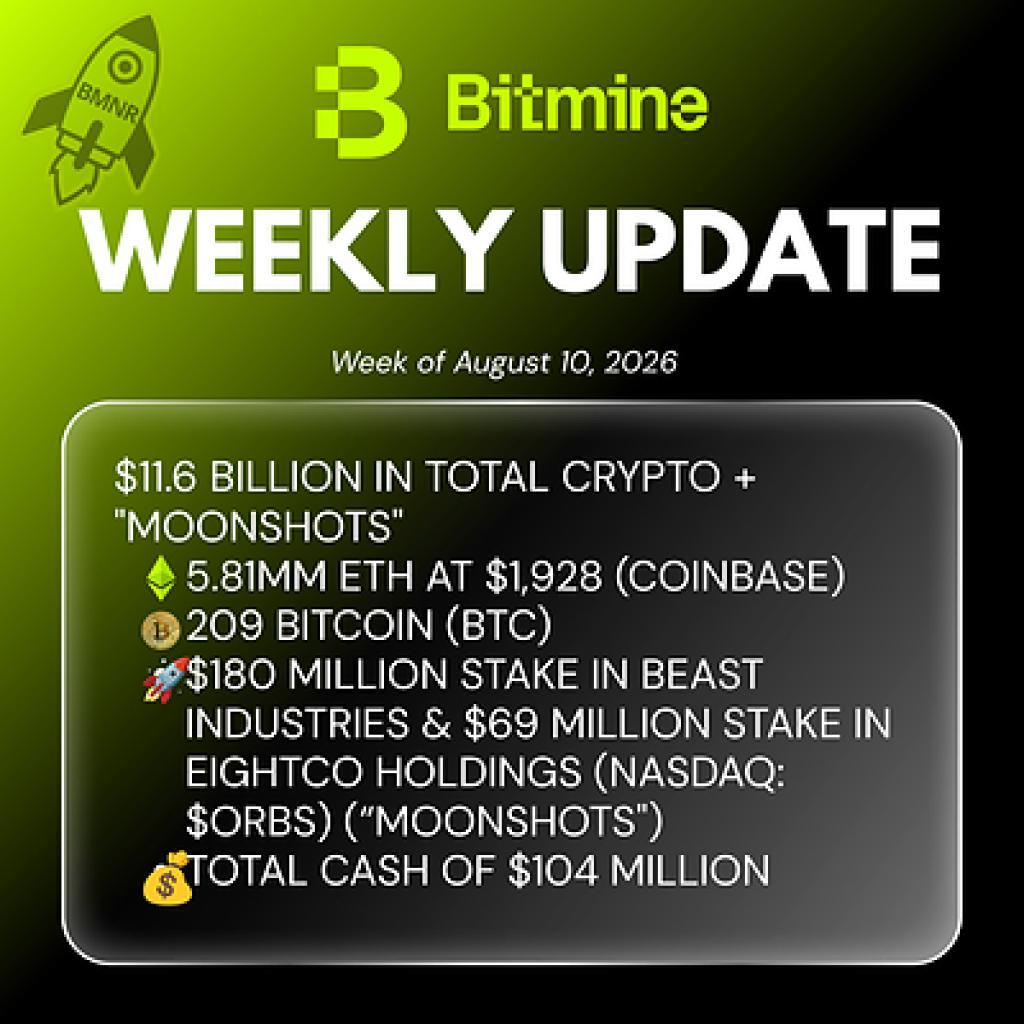
Bitmine Immersion Technologies (BMNR) Announces ETH Holdings Reach 5.81 Million Tokens, and Total Crypto and Total Cash Holdings of $11.6 Billion