Brale Launches ION Protocol for Cross-Chain Stablecoin Transfers
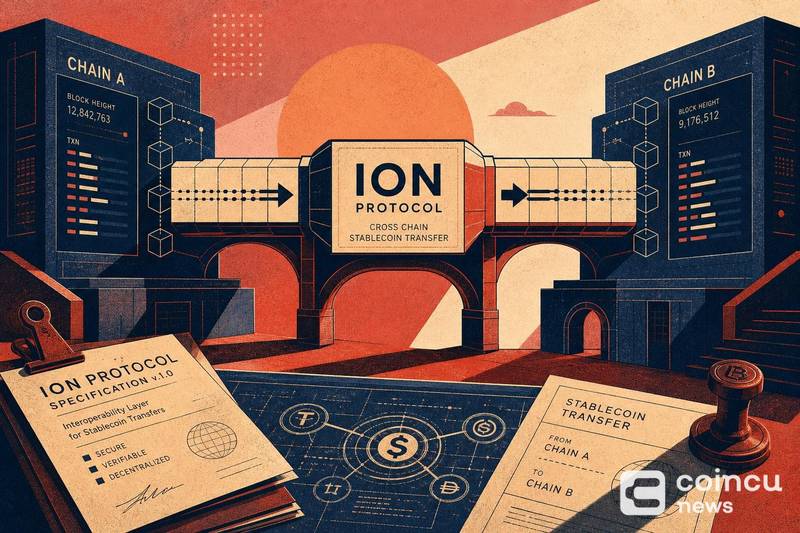
Brale has launched ION Protocol, an infrastructure product designed to move stablecoins across different blockchains using a burn-and-mint transfer model. The release positions Brale ION Protocol as a mechanism for cross-chain stablecoin transfers rather than a market or token play.
The announcement was published on Brale’s company blog, which describes ION Protocol as a system for transferring stablecoins between chains through burning and minting, according to the introductory post. Brale frames the launch as a product release focused on interoperability infrastructure. For related coverage, see Zoomex to Attend Coinfest Asia 2026 as Gold Sponsor and Host Summer Bay Party in Bali.
Details beyond the core launch and its transfer model are limited in the available materials, so this report stays close to what Brale itself has confirmed on its blog. For related coverage, see HashKey Plans to Acquire APEX Shares as Singapore Derivatives Push Expands.
How the Burn-and-Mint Model Works
In a burn-and-mint transfer, tokens are destroyed, or burned, on the source chain, and an equivalent amount is created, or minted, on the destination chain. No single locked pool is bridged; the supply simply shifts from one network to another. For related coverage, see Central Bank of Russia Releases Draft Crypto Exchange Rules.
This approach is already used in production elsewhere in the stablecoin sector, most notably in Circle’s Cross-Chain Transfer Protocol, which documents a burn-and-mint design for native USDC movement. ION Protocol applies the same conceptual pattern to stablecoin transfers.
Because the model keeps a consistent total supply across chains rather than wrapping assets, it avoids the pooled-liquidity structure common to many lock-and-mint bridges. Brale’s materials do not publish specific claims about ION Protocol’s fees, latency, or security guarantees, so none are asserted here.
Why Cross-Chain Stablecoin Transfers Matter
Stablecoins are a natural fit for cross-chain infrastructure because they are used for payments, settlement, and moving liquidity between ecosystems, where holders often need the same dollar value available on whichever chain they are transacting on.
Interoperability remains an active theme in blockchain infrastructure, alongside efforts by traditional institutions to bring settlement on-chain, such as BNY Mellon’s migration of fund transfer-agent records to blockchain. A protocol targeting stablecoin mobility speaks to that same practical need for assets to travel between networks.
What Sets This Launch Apart
The announcement pairs a new protocol with a specific, narrow use case, cross-chain stablecoin transfers, rather than a general-purpose messaging or bridging pitch. That framing distinguishes it conceptually from broader interoperability tooling.
ION Protocol is an infrastructure launch, not a market event. Growing base-layer capacity across networks, seen recently in developments like Solana’s mainnet block capacity increase, is part of the same environment in which stablecoin routing infrastructure is being built. Brale’s public materials do not make claims about adoption or market position, and none are implied here.
FAQ About Brale and ION Protocol
What is ION Protocol?
ION Protocol is Brale’s newly launched infrastructure for transferring stablecoins across blockchains using a burn-and-mint model, as described on the company’s blog.
How do burn-and-mint transfers work?
Tokens are burned on the originating chain and an equal amount is minted on the destination chain, shifting supply between networks instead of locking assets in a bridge pool.
What could the launch mean for interoperability?
If used as designed, ION Protocol adds another route for moving stablecoin value between chains. Any broader impact on blockchain interoperability is not yet established in the available evidence.
Disclaimer: This article is for informational purposes only and does not constitute financial or investment advice. Cryptocurrency and digital asset markets carry significant risk. Always do your own research before making decisions.
No tags available.


Other Posts








- China, US Conclude Trade Talks with Focus on Cooperation
- Crypto Weekly: NYSE Backs OKX, Kraken Gets Fed Access, BTC Sells
- Court Upholds Fed’s Rejection of Custodia Bank’s Request
- Former CFO Convicted for $35M Fraudulent Crypto Investment
- DeriW Launches Edge Hour Trading Competition Platform for Derivatives Traders
- Michael Saylor Denies Bitcoin Sell-Off Amid Large BTC Transfer
- Buy Dogecoin on eToro: Step-by-Step Guide for Beginners (2024)
- Kazakhstan Explores Crypto Reserves Backed by National Funds
- JPMorgan Increases Holdings in BlackRock’s Bitcoin ETF
- Nordea Bank Introduces Bitcoin ETP Trading for Nordic Customers
- XRP Spot ETF Launches on Nasdaq Amid Market Fluctuations
- Peter Schiff Challenges Michael Saylor on MSTR’s Business Model
- Thailand Orders Worldcoin to Delete 1.2 Million Biometric Records
- UK Proposes New DeFi Tax Framework to Ease User Burden
- WLFI Under Fire: Analyst Warns Hyperliquid Could Be Next
- Ancient Ethereum Whale Moves $1.19 Billion After Decade
- BlackRock Receives Large Crypto Transfers from Coinbase
- SEC Scrutiny on ALT5 Sigma’s Leadership Disclosure Timing
- Yala Injects $5.5 Million Amid Recovery Efforts
- Radiant Capital Faces $50M Loss in Major Security Breach
- China, US Conclude Trade Talks with Focus on Cooperation
- Crypto Weekly: NYSE Backs OKX, Kraken Gets Fed Access, BTC Sells
- Court Upholds Fed’s Rejection of Custodia Bank’s Request
- Former CFO Convicted for $35M Fraudulent Crypto Investment
- DeriW Launches Edge Hour Trading Competition Platform for Derivatives Traders
- Michael Saylor Denies Bitcoin Sell-Off Amid Large BTC Transfer
- Buy Dogecoin on eToro: Step-by-Step Guide for Beginners (2024)
- Kazakhstan Explores Crypto Reserves Backed by National Funds
- JPMorgan Increases Holdings in BlackRock’s Bitcoin ETF
- Nordea Bank Introduces Bitcoin ETP Trading for Nordic Customers
- XRP Spot ETF Launches on Nasdaq Amid Market Fluctuations
- Peter Schiff Challenges Michael Saylor on MSTR’s Business Model
- Thailand Orders Worldcoin to Delete 1.2 Million Biometric Records
- UK Proposes New DeFi Tax Framework to Ease User Burden
- WLFI Under Fire: Analyst Warns Hyperliquid Could Be Next
- Ancient Ethereum Whale Moves $1.19 Billion After Decade
- BlackRock Receives Large Crypto Transfers from Coinbase
- SEC Scrutiny on ALT5 Sigma’s Leadership Disclosure Timing
- Yala Injects $5.5 Million Amid Recovery Efforts
- Radiant Capital Faces $50M Loss in Major Security Breach
- China, US Conclude Trade Talks with Focus on Cooperation
- Crypto Weekly: NYSE Backs OKX, Kraken Gets Fed Access, BTC Sells
- Court Upholds Fed’s Rejection of Custodia Bank’s Request
- Former CFO Convicted for $35M Fraudulent Crypto Investment
- DeriW Launches Edge Hour Trading Competition Platform for Derivatives Traders
- Michael Saylor Denies Bitcoin Sell-Off Amid Large BTC Transfer
- Buy Dogecoin on eToro: Step-by-Step Guide for Beginners (2024)
- Kazakhstan Explores Crypto Reserves Backed by National Funds
- JPMorgan Increases Holdings in BlackRock’s Bitcoin ETF
- Nordea Bank Introduces Bitcoin ETP Trading for Nordic Customers
- XRP Spot ETF Launches on Nasdaq Amid Market Fluctuations
- Peter Schiff Challenges Michael Saylor on MSTR’s Business Model
- Thailand Orders Worldcoin to Delete 1.2 Million Biometric Records
- UK Proposes New DeFi Tax Framework to Ease User Burden
- WLFI Under Fire: Analyst Warns Hyperliquid Could Be Next
- Ancient Ethereum Whale Moves $1.19 Billion After Decade
- BlackRock Receives Large Crypto Transfers from Coinbase
- SEC Scrutiny on ALT5 Sigma’s Leadership Disclosure Timing
- Yala Injects $5.5 Million Amid Recovery Efforts
- Radiant Capital Faces $50M Loss in Major Security Breach

Brale Launches ION Protocol for Cross-Chain Stablecoin Transfers

BNY Mellon Migrates $8.6T Fund Transfer-Agent Records to Blockchain

HashKey Plans to Acquire APEX Shares as Singapore Derivatives Push Expands

Zoomex to Attend Coinfest Asia 2026 as Gold Sponsor and Host Summer Bay Party in Bali

1inch launches Aqua to the public, introducing the first shared liquidity layer for DeFi