A wallet linked to Garrett Jin has deposited 30 million USDC into Hyperliquid, the decentralized perpetual exchange, drawing attention from on-chain watchers tracking large capital movements into DeFi trading venues.
What the 30 Million USDC Deposit Signals
The deposit was flagged through on-chain tracking on Hypurrscan, Hyperliquid’s block explorer. The transfer of 30 million USDC represents a significant single inflow to the platform, placing it among the larger individual deposits observed on the exchange.
Garrett Jin’s name surfaced in recent crypto discourse alongside other high-profile traders operating on Hyperliquid. A Decrypt report on an alleged insider whale highlighted the growing scrutiny around large Hyperliquid positions and the identities behind them.
The deposit alone does not confirm what strategy Jin intends to pursue. USDC deposited into Hyperliquid can serve as margin collateral for leveraged perpetual trades, fund liquidity provision, or simply sit as idle capital awaiting deployment.
Why Large Stablecoin Inflows Matter for Hyperliquid
Hyperliquid operates as a fully on-chain order book for perpetual futures, where USDC serves as the primary collateral and settlement asset. A 30 million USDC deposit directly increases available margin capacity on the platform.
For traders monitoring Hyperliquid activity, large deposits often precede significant position openings. The platform has attracted attention for hosting several whale-sized trades in recent months, some exceeding hundreds of millions of dollars in notional value. This pattern has made deposit tracking a key signal for market participants, similar to how exchange inflow data on centralized platforms can indicate upcoming volatility.
Hyperliquid’s growth as a DeFi trading venue has positioned it as one of the more closely watched decentralized exchanges, particularly for large-scale derivatives activity.
How Traders May Read This Move
A bullish interpretation would frame the deposit as preparation for a large long position, suggesting Jin expects upward price movement in one or more assets. Bearish readers might note that Hyperliquid supports short positions equally well, and the deposit could just as easily back a directional bet against Bitcoin or other major assets.
The critical distinction is between capital movement and executed positions. A deposit is not a trade. Until the funds are deployed into a specific position, the deposit signals readiness, not direction.
On-chain observers tracking the wallet can monitor whether the USDC is subsequently used to open leveraged positions, but at the time of reporting, the specific intended use of the funds remains unconfirmed.
Context Before Drawing Conclusions
Single wallet deposits, even large ones, represent one data point in a broader market. Stablecoin transfers can support hedging strategies, market-making operations, or portfolio rebalancing, none of which necessarily signal a directional market view.
Readers following on-chain movements should note that wallet attribution in DeFi is not always definitive. While the deposit has been linked to Garrett Jin, on-chain identity verification operates differently from traditional financial systems, and wallet labels can carry varying degrees of certainty.
The broader trend of large capital flows into decentralized trading platforms does reflect growing institutional and whale-level confidence in DeFi infrastructure. Hyperliquid’s ability to attract deposits of this size places it alongside centralized exchanges in terms of capital market relevance.
FAQ
Who is Garrett Jin in this context?
Garrett Jin is identified as the individual linked to a wallet that deposited 30 million USDC into Hyperliquid. His name has appeared in on-chain tracking discussions related to large DeFi positions.
What does depositing USDC into Hyperliquid mean?
Depositing USDC into Hyperliquid provides the wallet holder with collateral to trade perpetual futures on the platform. It does not by itself indicate whether the trader will go long, short, or use the funds for other purposes such as liquidity provision.
Does this deposit confirm a bullish or bearish trade?
No. A deposit is a prerequisite for trading, not a trade itself. The direction and size of any subsequent position would need to be confirmed through separate on-chain data showing open positions on the platform.
Disclaimer: This article is for informational purposes only and does not constitute financial or investment advice. Cryptocurrency and digital asset markets carry significant risk. Always do your own research before making decisions.
No tags available.


Other Posts








- China, US Conclude Trade Talks with Focus on Cooperation
- Crypto Weekly: NYSE Backs OKX, Kraken Gets Fed Access, BTC Sells
- DeriW Launches Edge Hour Trading Competition Platform for Derivatives Traders
- Court Upholds Fed’s Rejection of Custodia Bank’s Request
- Former CFO Convicted for $35M Fraudulent Crypto Investment
- Michael Saylor Denies Bitcoin Sell-Off Amid Large BTC Transfer
- Buy Dogecoin on eToro: Step-by-Step Guide for Beginners (2024)
- Kazakhstan Explores Crypto Reserves Backed by National Funds
- JPMorgan Increases Holdings in BlackRock’s Bitcoin ETF
- Nordea Bank Introduces Bitcoin ETP Trading for Nordic Customers
- XRP Spot ETF Launches on Nasdaq Amid Market Fluctuations
- Crypto Leaders Address Macro Volatility Amid Market Shifts
- Peter Schiff Challenges Michael Saylor on MSTR’s Business Model
- Thailand Orders Worldcoin to Delete 1.2 Million Biometric Records
- UK Proposes New DeFi Tax Framework to Ease User Burden
- WLFI Under Fire: Analyst Warns Hyperliquid Could Be Next
- Ancient Ethereum Whale Moves $1.19 Billion After Decade
- BlackRock Receives Large Crypto Transfers from Coinbase
- SEC Scrutiny on ALT5 Sigma’s Leadership Disclosure Timing
- MoonPay Gains Trust License for Crypto Operations in New York
- China, US Conclude Trade Talks with Focus on Cooperation
- Crypto Weekly: NYSE Backs OKX, Kraken Gets Fed Access, BTC Sells
- DeriW Launches Edge Hour Trading Competition Platform for Derivatives Traders
- Court Upholds Fed’s Rejection of Custodia Bank’s Request
- Former CFO Convicted for $35M Fraudulent Crypto Investment
- Michael Saylor Denies Bitcoin Sell-Off Amid Large BTC Transfer
- Buy Dogecoin on eToro: Step-by-Step Guide for Beginners (2024)
- Kazakhstan Explores Crypto Reserves Backed by National Funds
- JPMorgan Increases Holdings in BlackRock’s Bitcoin ETF
- Nordea Bank Introduces Bitcoin ETP Trading for Nordic Customers
- XRP Spot ETF Launches on Nasdaq Amid Market Fluctuations
- Crypto Leaders Address Macro Volatility Amid Market Shifts
- Peter Schiff Challenges Michael Saylor on MSTR’s Business Model
- Thailand Orders Worldcoin to Delete 1.2 Million Biometric Records
- UK Proposes New DeFi Tax Framework to Ease User Burden
- WLFI Under Fire: Analyst Warns Hyperliquid Could Be Next
- Ancient Ethereum Whale Moves $1.19 Billion After Decade
- BlackRock Receives Large Crypto Transfers from Coinbase
- SEC Scrutiny on ALT5 Sigma’s Leadership Disclosure Timing
- MoonPay Gains Trust License for Crypto Operations in New York
- China, US Conclude Trade Talks with Focus on Cooperation
- Crypto Weekly: NYSE Backs OKX, Kraken Gets Fed Access, BTC Sells
- DeriW Launches Edge Hour Trading Competition Platform for Derivatives Traders
- Court Upholds Fed’s Rejection of Custodia Bank’s Request
- Former CFO Convicted for $35M Fraudulent Crypto Investment
- Michael Saylor Denies Bitcoin Sell-Off Amid Large BTC Transfer
- Buy Dogecoin on eToro: Step-by-Step Guide for Beginners (2024)
- Kazakhstan Explores Crypto Reserves Backed by National Funds
- JPMorgan Increases Holdings in BlackRock’s Bitcoin ETF
- Nordea Bank Introduces Bitcoin ETP Trading for Nordic Customers
- XRP Spot ETF Launches on Nasdaq Amid Market Fluctuations
- Crypto Leaders Address Macro Volatility Amid Market Shifts
- Peter Schiff Challenges Michael Saylor on MSTR’s Business Model
- Thailand Orders Worldcoin to Delete 1.2 Million Biometric Records
- UK Proposes New DeFi Tax Framework to Ease User Burden
- WLFI Under Fire: Analyst Warns Hyperliquid Could Be Next
- Ancient Ethereum Whale Moves $1.19 Billion After Decade
- BlackRock Receives Large Crypto Transfers from Coinbase
- SEC Scrutiny on ALT5 Sigma’s Leadership Disclosure Timing
- MoonPay Gains Trust License for Crypto Operations in New York

SEC launches ETF rule review focused on crypto funds and prediction markets

Sovright Launches Argos Wallet Recovery Tool for Early Zcash Users

Dutch prosecutors seek to declare crypto platform Knaken bankrupt

Autheo Introduces the Internet Operating System: A Decentralized Coordination Layer for Web, Blockchain, & AI
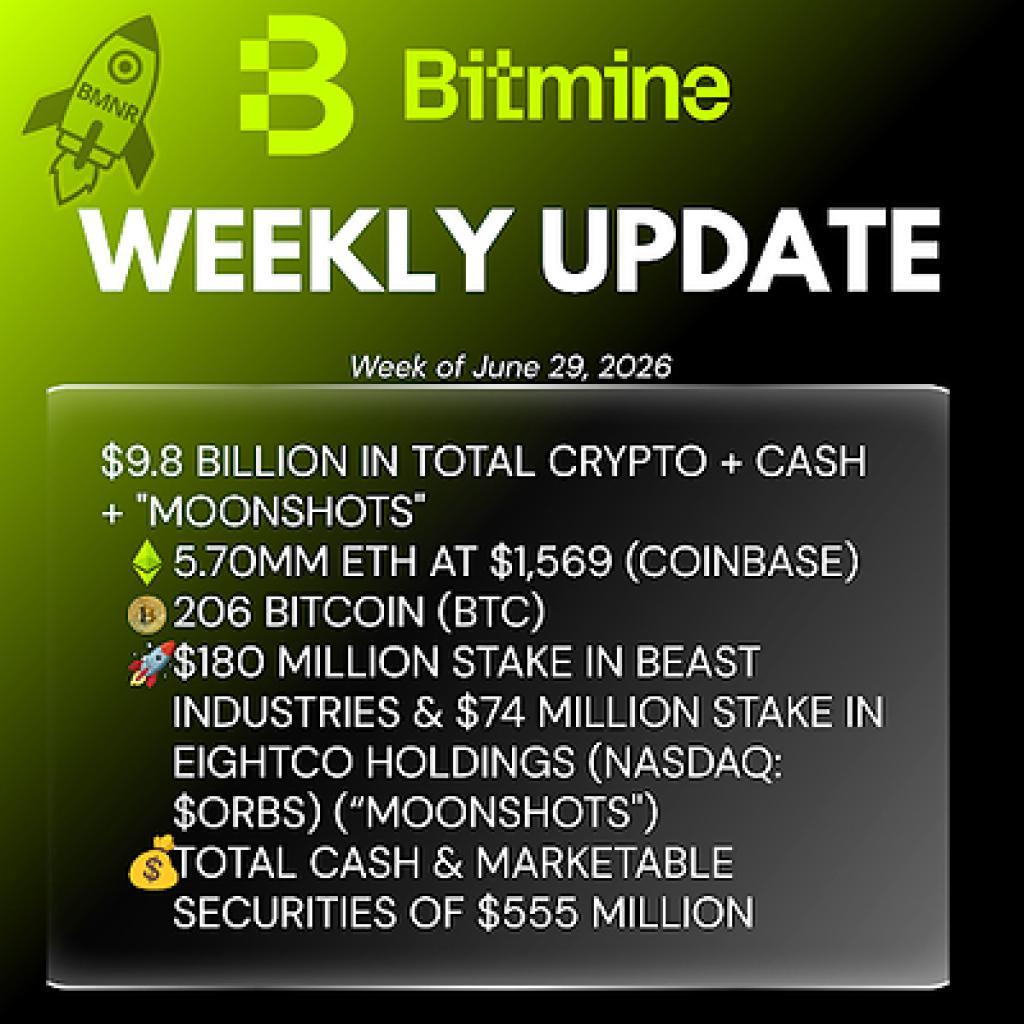
Bitmine Immersion Technologies (BMNR) Announces ETH Holdings Reach 5.70 Million Tokens, and Total Crypto and Total Cash Holdings of $9.8 Billion