A wallet identified as address 0x1be4 borrowed approximately 18,000 ETH from the Aave lending protocol over a two-day period and deposited the funds into Binance, according to on-chain tracking data.
What Address 0x1be4 Did Over Two Days
The wallet executed a series of borrowing transactions on Aave, accumulating roughly 18,000 ETH across two consecutive days. Rather than holding the borrowed tokens in a self-custody wallet or redeploying them into other DeFi protocols, the address moved the entire borrowed amount to Binance.
On-chain analyst platform Lookonchain flagged the activity, drawing attention from traders who monitor large exchange inflows for early signals of potential market moves.
The sequence matters: 0x1be4 did not transfer pre-existing ETH holdings. The wallet specifically borrowed the tokens from Aave first, then routed them to the centralized exchange. That distinction separates this from a simple portfolio rebalance.
Why Borrowed ETH Flowing to an Exchange Draws Attention
Large deposits into centralized exchanges are one of the most closely watched on-chain signals. When significant amounts of ETH land on an exchange, traders often interpret it as preparation for a potential sale, since exchange deposits are a prerequisite for spot selling.
The fact that this ETH was borrowed rather than drawn from existing holdings adds another layer. Borrowing from Aave means the wallet owner posted collateral, likely other crypto assets, to take on a leveraged position. This structure could indicate a hedging strategy, a short-term arbitrage play, or preparation for a larger trade.
Exchange inflows do not confirm selling intent on their own. Traders also deposit funds to use as margin collateral, to participate in launchpad events, or to access exchange-specific financial products. The destination alone does not reveal the plan.
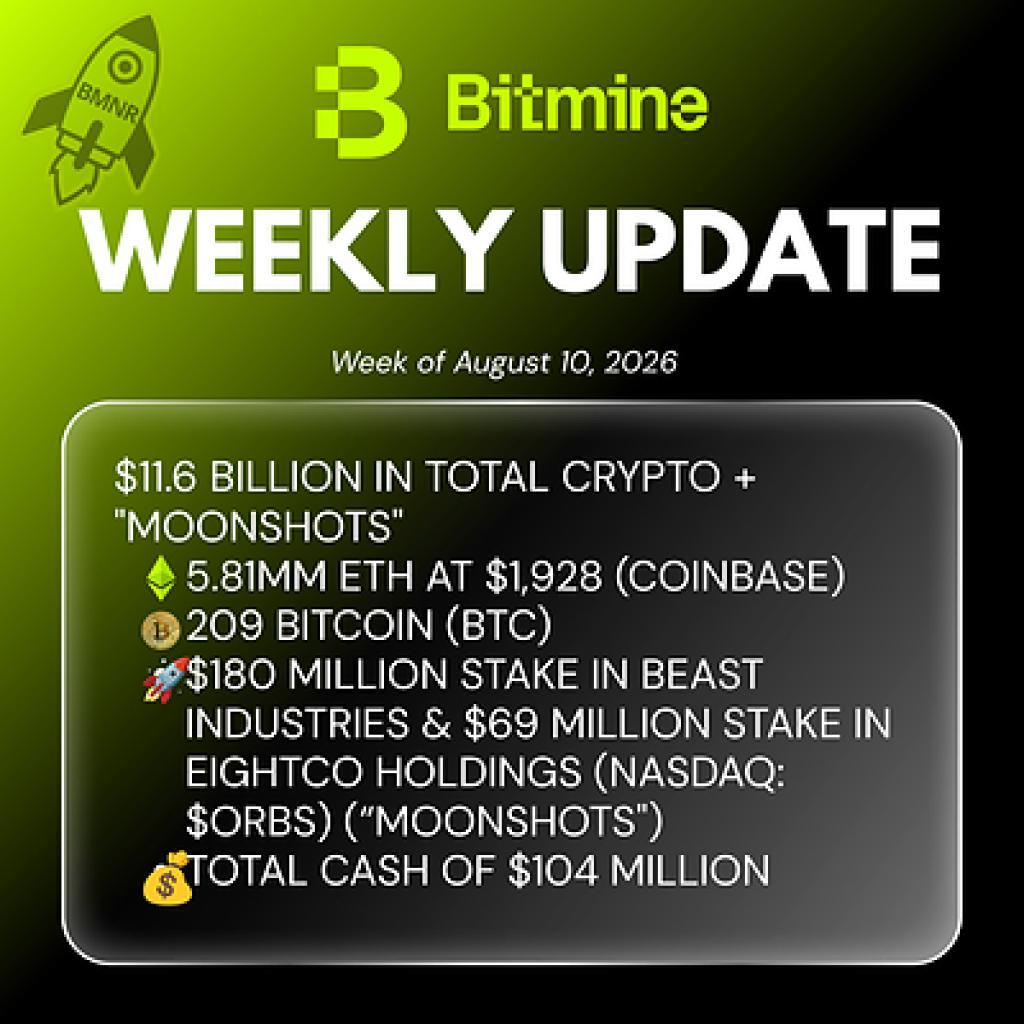
Recent activity across the Ethereum ecosystem has included notable institutional movements. Firms like Bitmine Immersion Technologies have disclosed substantial ETH holdings, while Ethereum spot ETFs have experienced mixed flows in recent sessions.
Possible Interpretations of the 18,000 ETH Move
Several scenarios could explain the borrowing-and-deposit pattern. The most straightforward reading is that the wallet owner intends to sell the borrowed ETH on Binance, effectively creating a leveraged short position against Ethereum.
A second possibility is collateral rotation. The owner may hold assets on Binance that they want to restructure, using the borrowed ETH as temporary bridge liquidity. This is common among sophisticated traders managing positions across DeFi and centralized venues.
A third scenario involves hedging. If the wallet owner holds significant long ETH exposure elsewhere, borrowing and potentially selling on an exchange could offset downside risk without liquidating core positions.
On-chain data alone cannot confirm which interpretation is correct. The wallet’s subsequent actions, whether it sells, holds, or withdraws the ETH from Binance, will clarify the intent behind the move.
The growing intersection of DeFi lending and centralized exchange activity is also relevant in the context of evolving self-custody tools. New wallet infrastructure for managing on-chain transactions continues to develop, giving sophisticated actors more ways to execute complex strategies across platforms.
What Traders Should Watch Next
The first signal to monitor is whether 0x1be4 borrows additional ETH from Aave. A second round of borrowing would suggest the initial 18,000 ETH was part of a larger planned operation rather than a one-time move.
Repayment timing matters equally. If the wallet repays the Aave loan quickly, it would suggest the Binance deposit served a short-term purpose, possibly an arbitrage or a brief hedging window. A prolonged open loan would point toward a more sustained directional bet.
Fund movement on the Binance side will provide the clearest signal. If the deposited ETH remains parked on the exchange, it may indicate the owner is waiting for a specific price level or event. If the funds leave Binance or get split across multiple addresses, the picture changes again.
Traders can track the wallet’s activity directly through Ethereum block explorers by monitoring address 0x1be4 for new transactions, loan repayments, or additional exchange interactions.
FAQ
What did address 0x1be4 do?
The wallet borrowed approximately 18,000 ETH from the Aave lending protocol over two days and deposited the full amount into Binance.
How much ETH was involved and where did it go?
About 18,000 ETH was borrowed from Aave and sent to Binance. The tokens were not sourced from the wallet’s existing balance but were specifically borrowed against collateral.
Does depositing ETH into Binance mean the wallet is selling?
Not necessarily. While exchange deposits can precede a sale, they can also serve other purposes including margin trading, collateral management, or participation in exchange-specific products. The wallet’s next moves will determine the actual intent.
Disclaimer: This article is for informational purposes only and does not constitute financial or investment advice. Cryptocurrency and digital asset markets carry significant risk. Always do your own research before making decisions.
No tags available.


Other Posts








- China, US Conclude Trade Talks with Focus on Cooperation
- Crypto Weekly: NYSE Backs OKX, Kraken Gets Fed Access, BTC Sells
- Court Upholds Fed’s Rejection of Custodia Bank’s Request
- Former CFO Convicted for $35M Fraudulent Crypto Investment
- DeriW Launches Edge Hour Trading Competition Platform for Derivatives Traders
- Michael Saylor Denies Bitcoin Sell-Off Amid Large BTC Transfer
- Buy Dogecoin on eToro: Step-by-Step Guide for Beginners (2024)
- Kazakhstan Explores Crypto Reserves Backed by National Funds
- JPMorgan Increases Holdings in BlackRock’s Bitcoin ETF
- Nordea Bank Introduces Bitcoin ETP Trading for Nordic Customers
- XRP Spot ETF Launches on Nasdaq Amid Market Fluctuations
- Peter Schiff Challenges Michael Saylor on MSTR’s Business Model
- Thailand Orders Worldcoin to Delete 1.2 Million Biometric Records
- UK Proposes New DeFi Tax Framework to Ease User Burden
- WLFI Under Fire: Analyst Warns Hyperliquid Could Be Next
- Ancient Ethereum Whale Moves $1.19 Billion After Decade
- BlackRock Receives Large Crypto Transfers from Coinbase
- SEC Scrutiny on ALT5 Sigma’s Leadership Disclosure Timing
- Yala Injects $5.5 Million Amid Recovery Efforts
- Radiant Capital Faces $50M Loss in Major Security Breach
- China, US Conclude Trade Talks with Focus on Cooperation
- Crypto Weekly: NYSE Backs OKX, Kraken Gets Fed Access, BTC Sells
- Court Upholds Fed’s Rejection of Custodia Bank’s Request
- Former CFO Convicted for $35M Fraudulent Crypto Investment
- DeriW Launches Edge Hour Trading Competition Platform for Derivatives Traders
- Michael Saylor Denies Bitcoin Sell-Off Amid Large BTC Transfer
- Buy Dogecoin on eToro: Step-by-Step Guide for Beginners (2024)
- Kazakhstan Explores Crypto Reserves Backed by National Funds
- JPMorgan Increases Holdings in BlackRock’s Bitcoin ETF
- Nordea Bank Introduces Bitcoin ETP Trading for Nordic Customers
- XRP Spot ETF Launches on Nasdaq Amid Market Fluctuations
- Peter Schiff Challenges Michael Saylor on MSTR’s Business Model
- Thailand Orders Worldcoin to Delete 1.2 Million Biometric Records
- UK Proposes New DeFi Tax Framework to Ease User Burden
- WLFI Under Fire: Analyst Warns Hyperliquid Could Be Next
- Ancient Ethereum Whale Moves $1.19 Billion After Decade
- BlackRock Receives Large Crypto Transfers from Coinbase
- SEC Scrutiny on ALT5 Sigma’s Leadership Disclosure Timing
- Yala Injects $5.5 Million Amid Recovery Efforts
- Radiant Capital Faces $50M Loss in Major Security Breach
- China, US Conclude Trade Talks with Focus on Cooperation
- Crypto Weekly: NYSE Backs OKX, Kraken Gets Fed Access, BTC Sells
- Court Upholds Fed’s Rejection of Custodia Bank’s Request
- Former CFO Convicted for $35M Fraudulent Crypto Investment
- DeriW Launches Edge Hour Trading Competition Platform for Derivatives Traders
- Michael Saylor Denies Bitcoin Sell-Off Amid Large BTC Transfer
- Buy Dogecoin on eToro: Step-by-Step Guide for Beginners (2024)
- Kazakhstan Explores Crypto Reserves Backed by National Funds
- JPMorgan Increases Holdings in BlackRock’s Bitcoin ETF
- Nordea Bank Introduces Bitcoin ETP Trading for Nordic Customers
- XRP Spot ETF Launches on Nasdaq Amid Market Fluctuations
- Peter Schiff Challenges Michael Saylor on MSTR’s Business Model
- Thailand Orders Worldcoin to Delete 1.2 Million Biometric Records
- UK Proposes New DeFi Tax Framework to Ease User Burden
- WLFI Under Fire: Analyst Warns Hyperliquid Could Be Next
- Ancient Ethereum Whale Moves $1.19 Billion After Decade
- BlackRock Receives Large Crypto Transfers from Coinbase
- SEC Scrutiny on ALT5 Sigma’s Leadership Disclosure Timing
- Yala Injects $5.5 Million Amid Recovery Efforts
- Radiant Capital Faces $50M Loss in Major Security Breach

Strategy Builds $4.75B Cash Cushion as Investors Seek More Than Bitcoin Exposure

Vitalik Buterin’s Ethereum Roadmap Prioritizes Privacy and Quantum Resistance

Trump Media Bitcoin Holdings Shrink as Crypto Losses Hit $361M

CT3 Begins Preparing Its Ecosystem for the Launch of the CT3GB Economy
Syntetika Launches Tokenization Hub Bringing Regulated Investment Strategies Onchain