Philippines Tightens Crypto Rules, Bans Privacy Coins on Licensed Exchanges
The Philippines is tightening cryptocurrency regulations for licensed exchanges, with privacy coins now barred from regulated trading platforms as authorities push for greater transaction transparency and anti-money laundering compliance.
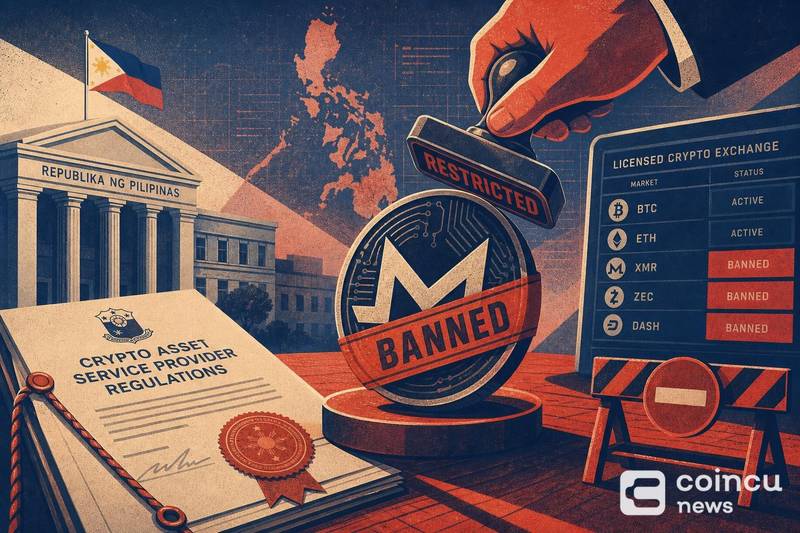
The Bangko Sentral ng Pilipinas (BSP) has moved to strengthen oversight of virtual asset listings on licensed platforms, according to a report from Philstar. The restriction specifically targets privacy-focused cryptocurrencies, which use advanced cryptographic techniques to obscure transaction details from public view.
The rule applies to exchanges and virtual asset service providers operating under Philippine licenses. Unregulated peer-to-peer trading or self-custody wallets fall outside the scope of the directive.
Why Privacy Coins Face Delisting From Regulated Platforms
Privacy coins such as Monero, Zcash, and Dash are designed to make transaction tracing difficult or impossible. This conflicts directly with the compliance obligations that licensed exchanges must meet under Philippine anti-money laundering frameworks.
Regulated platforms are required to maintain transaction monitoring systems and report suspicious activity. Assets that are engineered to resist surveillance create an inherent tension with these obligations, making them a compliance liability for licensed venues.
The distinction is important: the technology itself is not outlawed. Rather, regulated exchanges cannot offer trading pairs for tokens whose privacy features undermine the platform’s ability to fulfill its reporting duties.
Operational Impact on Philippine Exchanges and Users
Licensed exchanges will need to delist or suspend privacy-coin trading pairs. Compliance teams face immediate pressure to review existing listings and implement tighter screening for any token with built-in obfuscation features.
Users holding privacy coins on affected platforms may face forced withdrawals or limited conversion windows. Liquidity for these assets on Philippine regulated markets will effectively drop to zero once delistings take effect.
This mirrors patterns seen in other jurisdictions where enforcement actions against crypto-related financial crimes have prompted exchanges to proactively tighten listing standards.
The Philippines’ Maturing Crypto Oversight Framework
The privacy coin restriction fits within a broader regulatory push. The Philippine Securities and Exchange Commission previously issued rules and guidelines for crypto-asset service providers (CASPs), establishing a licensing framework that sets operational and compliance standards for the industry.
The BSP’s regulatory framework for virtual assets treats licensed exchanges as frontline compliance actors. Rather than attempting to police individual users or decentralized protocols, regulators are concentrating enforcement at the points where crypto interfaces with the traditional financial system.
This approach signals that future token listing decisions on Philippine platforms will face increasingly strict scrutiny, particularly around traceability and AML compatibility. Projects seeking access to the regulated Philippine market will need to demonstrate that their tokens do not obstruct compliance workflows.
The development also reflects a broader trend of regulators treating stablecoin and asset transparency as baseline requirements. Recent events, such as the single on-chain settlement of 4.397 billion USDC, illustrate how transparent blockchains can satisfy regulatory expectations around traceability while still offering the efficiency benefits of digital assets.
What Comes Next for Philippine Crypto Markets
Licensed platforms that have not yet delisted affected tokens will likely need to act within whatever compliance window the BSP establishes. Exchanges already operating under strict listing standards in other markets may find the transition straightforward.
For traders, the practical effect is that privacy coins become accessible only through unregulated channels or self-custody, with no fiat on-ramp or off-ramp available on compliant Philippine exchanges.
FAQ: Key Questions About the Philippines Privacy Coin Ban
Are privacy coins illegal in the Philippines?
No. The restriction applies specifically to licensed exchanges and virtual asset service providers. Holding privacy coins in a personal wallet or transacting peer-to-peer is not directly addressed by the exchange-focused rule.
What should holders of privacy coins on Philippine exchanges do?
Users should monitor announcements from their exchange regarding delisting timelines. Platforms typically provide a withdrawal window before fully removing support for affected tokens. Moving assets to a self-custody wallet before the deadline ensures continued access.
Could more token restrictions follow?
Given the direction of Philippine regulatory policy, any token that materially impedes transaction monitoring or compliance reporting could face similar scrutiny. Projects with optional privacy features, mixer integrations, or other obfuscation tools may face listing reviews under the tightened standards.
Disclaimer: This article is for informational purposes only and does not constitute financial or investment advice. Cryptocurrency and digital asset markets carry significant risk. Always do your own research before making decisions.
No tags available.


Other Posts





- China, US Conclude Trade Talks with Focus on Cooperation
- Court Upholds Fed’s Rejection of Custodia Bank’s Request
- Crypto Weekly: NYSE Backs OKX, Kraken Gets Fed Access, BTC Sells
- Former CFO Convicted for $35M Fraudulent Crypto Investment
- DeriW Launches Edge Hour Trading Competition Platform for Derivatives Traders
- Michael Saylor Denies Bitcoin Sell-Off Amid Large BTC Transfer
- Buy Dogecoin on eToro: Step-by-Step Guide for Beginners (2024)
- Kazakhstan Explores Crypto Reserves Backed by National Funds
- JPMorgan Increases Holdings in BlackRock’s Bitcoin ETF
- Nordea Bank Introduces Bitcoin ETP Trading for Nordic Customers
- XRP Spot ETF Launches on Nasdaq Amid Market Fluctuations
- Peter Schiff Challenges Michael Saylor on MSTR’s Business Model
- Thailand Orders Worldcoin to Delete 1.2 Million Biometric Records
- UK Proposes New DeFi Tax Framework to Ease User Burden
- WLFI Under Fire: Analyst Warns Hyperliquid Could Be Next
- Ancient Ethereum Whale Moves $1.19 Billion After Decade
- BlackRock Receives Large Crypto Transfers from Coinbase
- SEC Scrutiny on ALT5 Sigma’s Leadership Disclosure Timing
- Yala Injects $5.5 Million Amid Recovery Efforts
- Radiant Capital Faces $50M Loss in Major Security Breach
- China, US Conclude Trade Talks with Focus on Cooperation
- Court Upholds Fed’s Rejection of Custodia Bank’s Request
- Crypto Weekly: NYSE Backs OKX, Kraken Gets Fed Access, BTC Sells
- Former CFO Convicted for $35M Fraudulent Crypto Investment
- DeriW Launches Edge Hour Trading Competition Platform for Derivatives Traders
- Michael Saylor Denies Bitcoin Sell-Off Amid Large BTC Transfer
- Buy Dogecoin on eToro: Step-by-Step Guide for Beginners (2024)
- Kazakhstan Explores Crypto Reserves Backed by National Funds
- JPMorgan Increases Holdings in BlackRock’s Bitcoin ETF
- Nordea Bank Introduces Bitcoin ETP Trading for Nordic Customers
- XRP Spot ETF Launches on Nasdaq Amid Market Fluctuations
- Peter Schiff Challenges Michael Saylor on MSTR’s Business Model
- Thailand Orders Worldcoin to Delete 1.2 Million Biometric Records
- UK Proposes New DeFi Tax Framework to Ease User Burden
- WLFI Under Fire: Analyst Warns Hyperliquid Could Be Next
- Ancient Ethereum Whale Moves $1.19 Billion After Decade
- BlackRock Receives Large Crypto Transfers from Coinbase
- SEC Scrutiny on ALT5 Sigma’s Leadership Disclosure Timing
- Yala Injects $5.5 Million Amid Recovery Efforts
- Radiant Capital Faces $50M Loss in Major Security Breach
- China, US Conclude Trade Talks with Focus on Cooperation
- Court Upholds Fed’s Rejection of Custodia Bank’s Request
- Crypto Weekly: NYSE Backs OKX, Kraken Gets Fed Access, BTC Sells
- Former CFO Convicted for $35M Fraudulent Crypto Investment
- DeriW Launches Edge Hour Trading Competition Platform for Derivatives Traders
- Michael Saylor Denies Bitcoin Sell-Off Amid Large BTC Transfer
- Buy Dogecoin on eToro: Step-by-Step Guide for Beginners (2024)
- Kazakhstan Explores Crypto Reserves Backed by National Funds
- JPMorgan Increases Holdings in BlackRock’s Bitcoin ETF
- Nordea Bank Introduces Bitcoin ETP Trading for Nordic Customers
- XRP Spot ETF Launches on Nasdaq Amid Market Fluctuations
- Peter Schiff Challenges Michael Saylor on MSTR’s Business Model
- Thailand Orders Worldcoin to Delete 1.2 Million Biometric Records
- UK Proposes New DeFi Tax Framework to Ease User Burden
- WLFI Under Fire: Analyst Warns Hyperliquid Could Be Next
- Ancient Ethereum Whale Moves $1.19 Billion After Decade
- BlackRock Receives Large Crypto Transfers from Coinbase
- SEC Scrutiny on ALT5 Sigma’s Leadership Disclosure Timing
- Yala Injects $5.5 Million Amid Recovery Efforts
- Radiant Capital Faces $50M Loss in Major Security Breach

SEC Cancels Reg Crypto Proposal and Delays Meeting Without New Date

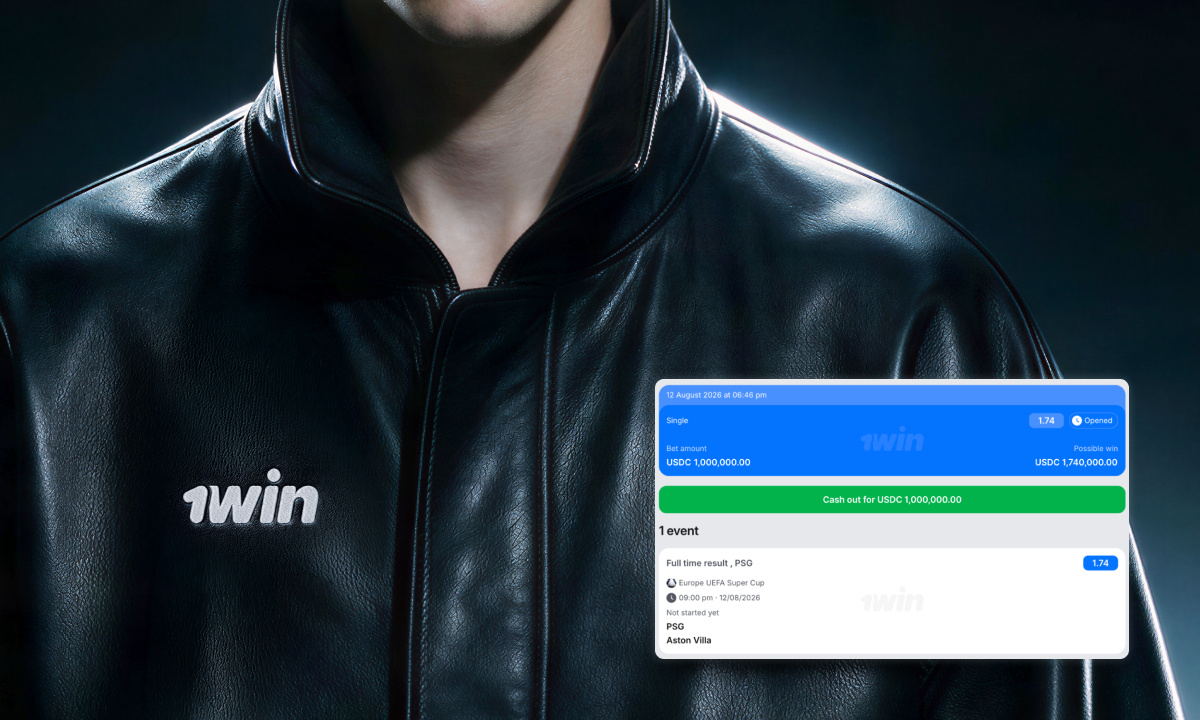
Crypto Player Takes Home $1.749M After a Million PSG Bet on 1win