Miran’s dissent: neutral rate lower, so 50 basis point cut
The Federal Open market Committee voted 11-1 to reduce the policy rate by 25 basis points, with Governor Stephen Miran dissenting in favor of a 50 basis point cut, as reported by CNBC (cnbc.com). The lone dissent underscores Miran’s view that the policy stance remains too restrictive relative to economic fundamentals.
In a New York speech, as reported by Sandmark.com (sandmark.com), Miran argued structural forces have lowered the economy’s “neutral rate,” citing declining immigration, elevated tariff revenues, aging demographics, and slower population growth. He said the current policy rate sits roughly two percentage points too high and defended moving more quickly while remaining data-driven.
What the 11-1 vote signals about Fed unity and path
Fed Chair Jerome Powell emphasized committee cohesion and downplayed support for a larger move, as reported by Investing.com (investing.com). He said there was not broad backing among participants for a half‑point step. “There was not widespread support for a 50 bp cut,” Powell noted.
In the same report, market commentary highlighted that Miran’s rate-path projections look more like signaling than likely policy outcomes, with Brian Jacobsen observing they stand out from the committee’s consensus. Analysts also pointed to unusual divergence in the dot plot, where Miran’s path appeared notably more dovish than peers.
In post‑decision remarks carried by the outlet, Kevin Hassett characterized the 25 basis point move as measured and urged a cautious cadence. He called the reduction a “good first step” and advocated going “slow and steady.”
Immediate implications: rate cut framing, dot plot divergence, reactions
The majority’s 25 basis point cut frames easing as calibrated rather than front‑loaded, while Miran’s dissent spotlights an internal debate about how restrictive policy still is. Together, they suggest the committee prefers gradualism even as one member argues for faster normalization.
The divergence in the dot plot, with Miran as an outlier on the dovish side, may complicate communications by widening the range of projected paths. Analysts’ read that his projections function partly as signaling reinforces the idea that consensus remains cautious, even if views on the neutral rate differ.
Reactions from policy and market observers centered on two themes: unity versus urgency. Powell’s message of cohesion tempers the impact of the dissent, while Miran’s stance keeps attention on structural drivers that, in his view, argue for quicker relief.
What to watch after the 11-1 FOMC dissent
Miran’s neutral rate case: immigration, tariffs, demographics, population
Miran links a lower neutral rate to declining immigration, higher tariff revenues, aging demographics, and slower population growth. If these forces continue, his case implies today’s policy rate remains more restrictive than intended.
Powell’s unity message and analysts’ signaling takeaways
Powell’s emphasis on agreement indicates the committee aims to move in measured steps absent broad support for larger cuts. Analysts’ view that Miran’s projections serve as signaling suggests debate will persist without necessarily shifting the baseline path.
FAQ about FOMC vote 11-1
What does the 11-1 FOMC vote signal about the Fed’s policy path and the dot plot?
It signals broad support for gradual easing, with Miran as a dovish outlier. The dot plot’s unusual divergence highlights debate but not a wholesale shift in policy.
How does Miran’s view of the neutral rate differ from the committee’s and what data supports it?
Miran argues structural forces lowered the neutral rate, making policy too tight by about two percentage points. He cites immigration, tariff revenues, aging demographics, and population trends.
| DISCLAIMER: The information on this website is provided as general market commentary and does not constitute investment advice. We encourage you to do your own research before investing. |


Other Posts








- Amplify 2024: Ohio’s Premier Blockchain Summit
- China, US Conclude Trade Talks with Focus on Cooperation
- Crypto Weekly: NYSE Backs OKX, Kraken Gets Fed Access, BTC Sells
- DeriW Launches Edge Hour Trading Competition Platform for Derivatives Traders
- Michael Saylor Denies Bitcoin Sell-Off Amid Large BTC Transfer
- Court Upholds Fed’s Rejection of Custodia Bank’s Request
- EU Opens Antitrust Probe Into Deutsche Boerse and Nasdaq Derivatives Dealings
- Kazakhstan Explores Crypto Reserves Backed by National Funds
- JPMorgan Increases Holdings in BlackRock’s Bitcoin ETF
- Nordea Bank Introduces Bitcoin ETP Trading for Nordic Customers
- XRP Spot ETF Launches on Nasdaq Amid Market Fluctuations
- JPMorgan Chase Launches 24/7 Digital Deposit Token for Clients
- Crypto Leaders Address Macro Volatility Amid Market Shifts
- Former CFO Convicted for $35M Fraudulent Crypto Investment
- Peter Schiff Challenges Michael Saylor on MSTR’s Business Model
- Thailand Orders Worldcoin to Delete 1.2 Million Biometric Records
- UK Proposes New DeFi Tax Framework to Ease User Burden
- U.S. Treasury Proposes New Tax Relief Regulations
- Buy Dogecoin on eToro: Step-by-Step Guide for Beginners (2024)
- Uniswap’s UNIfication Proposal Gains Massive Preliminary Support
- Amplify 2024: Ohio’s Premier Blockchain Summit
- China, US Conclude Trade Talks with Focus on Cooperation
- Crypto Weekly: NYSE Backs OKX, Kraken Gets Fed Access, BTC Sells
- DeriW Launches Edge Hour Trading Competition Platform for Derivatives Traders
- Michael Saylor Denies Bitcoin Sell-Off Amid Large BTC Transfer
- Court Upholds Fed’s Rejection of Custodia Bank’s Request
- EU Opens Antitrust Probe Into Deutsche Boerse and Nasdaq Derivatives Dealings
- Kazakhstan Explores Crypto Reserves Backed by National Funds
- JPMorgan Increases Holdings in BlackRock’s Bitcoin ETF
- Nordea Bank Introduces Bitcoin ETP Trading for Nordic Customers
- XRP Spot ETF Launches on Nasdaq Amid Market Fluctuations
- JPMorgan Chase Launches 24/7 Digital Deposit Token for Clients
- Crypto Leaders Address Macro Volatility Amid Market Shifts
- Former CFO Convicted for $35M Fraudulent Crypto Investment
- Peter Schiff Challenges Michael Saylor on MSTR’s Business Model
- Thailand Orders Worldcoin to Delete 1.2 Million Biometric Records
- UK Proposes New DeFi Tax Framework to Ease User Burden
- U.S. Treasury Proposes New Tax Relief Regulations
- Buy Dogecoin on eToro: Step-by-Step Guide for Beginners (2024)
- Uniswap’s UNIfication Proposal Gains Massive Preliminary Support
- Amplify 2024: Ohio’s Premier Blockchain Summit
- China, US Conclude Trade Talks with Focus on Cooperation
- Crypto Weekly: NYSE Backs OKX, Kraken Gets Fed Access, BTC Sells
- DeriW Launches Edge Hour Trading Competition Platform for Derivatives Traders
- Michael Saylor Denies Bitcoin Sell-Off Amid Large BTC Transfer
- Court Upholds Fed’s Rejection of Custodia Bank’s Request
- EU Opens Antitrust Probe Into Deutsche Boerse and Nasdaq Derivatives Dealings
- Kazakhstan Explores Crypto Reserves Backed by National Funds
- JPMorgan Increases Holdings in BlackRock’s Bitcoin ETF
- Nordea Bank Introduces Bitcoin ETP Trading for Nordic Customers
- XRP Spot ETF Launches on Nasdaq Amid Market Fluctuations
- JPMorgan Chase Launches 24/7 Digital Deposit Token for Clients
- Crypto Leaders Address Macro Volatility Amid Market Shifts
- Former CFO Convicted for $35M Fraudulent Crypto Investment
- Peter Schiff Challenges Michael Saylor on MSTR’s Business Model
- Thailand Orders Worldcoin to Delete 1.2 Million Biometric Records
- UK Proposes New DeFi Tax Framework to Ease User Burden
- U.S. Treasury Proposes New Tax Relief Regulations
- Buy Dogecoin on eToro: Step-by-Step Guide for Beginners (2024)
- Uniswap’s UNIfication Proposal Gains Massive Preliminary Support
Latest
Coinbase to List MetaDAO (META) and Derive (DRV) — What Traders Need to Know
LI.FI Expands Execution Infrastructure to Support Stablecoin Payments and RWA
SharpLink Gaming Added to Russell Index as Ethereum Treasury Strategy Unlocks U.S. Fund Access
Press Release
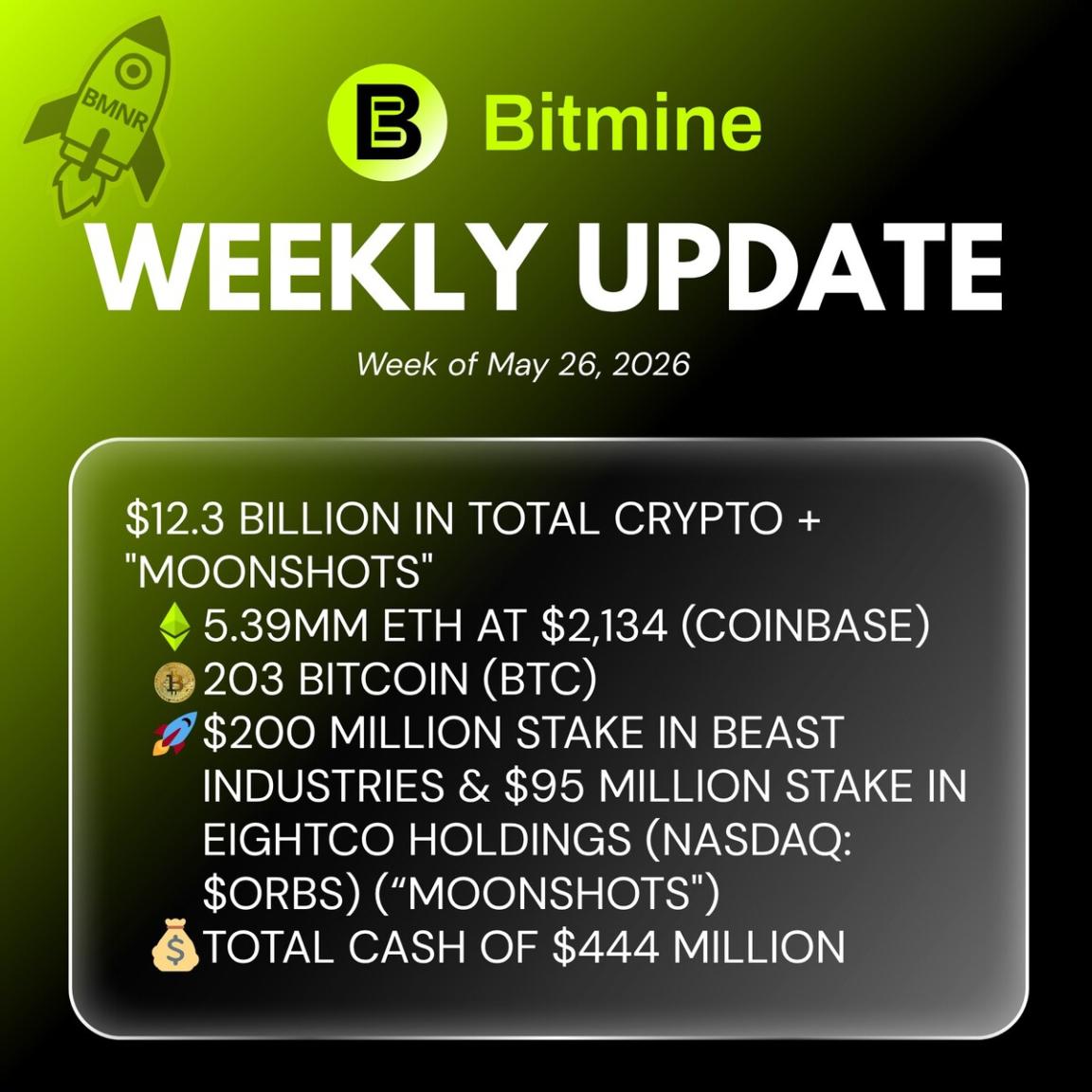
Bitmine Immersion Technologies (BMNR) Announces ETH Holdings Reach 5.39 Million Tokens, and Total Crypto and Total Cash Holdings of $12.3 Billion

MEXC Deploys 1,000 BTC to Strategic Reserves in March-April Security Report