Bitcoin OG Whale Selling Signals Institutional Rotation as Next Rally Builds
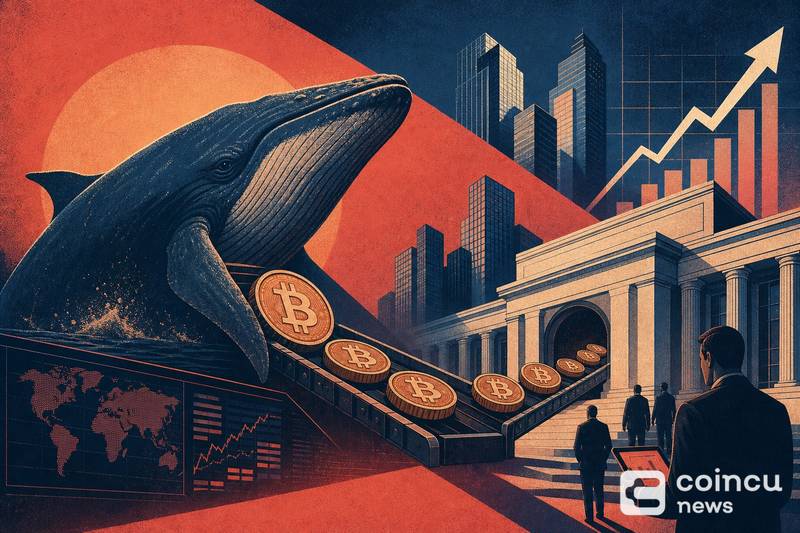
Long-term Bitcoin holders, often called OG whales, have been moving large amounts of BTC in recent weeks, sparking bearish fears across social media. However, a growing body of analysis suggests this selling represents a structural transfer of positions from early holders to institutional buyers, not a signal that the market cycle has peaked.
Why OG whale selling does not automatically signal a market top
When wallets that have held Bitcoin for years begin distributing coins, the default market reaction is alarm. OG whales, typically defined as addresses holding BTC acquired before 2017, command outsized attention because their movements involve large blocks of supply that can visibly shift exchange order books.
But profit-taking by mature holders after extended price appreciation is fundamentally different from panic selling or loss of conviction. Holders who accumulated at prices far below current levels have rational reasons to reduce exposure, including portfolio rebalancing, tax planning, or simply locking in life-changing gains.
Selling alone is not sufficient proof of a cycle peak. As reporting from CoinTelegraph has highlighted, the critical question is not whether old whales are selling, but who is buying. If demand absorbs the supply without breaking market structure, the selling is a rotation, not a breakdown.
How positions rotate from early whales to institutions
The mechanism behind this ownership transfer is rarely visible on public exchanges. Institutional buyers, including asset managers, hedge funds, and ETF issuers, typically acquire large Bitcoin positions through over-the-counter desks and custodial arrangements designed to minimize market impact.
Direct wallet movement from an OG address to a new destination does not always equal immediate exchange dumping. Large blocks frequently move to OTC desks or custodial wallets where they are absorbed by professional allocators over days or weeks, a process that analysts have described as a whale rotation rather than a liquidation event.
This kind of supply transfer can strengthen the market’s ownership base over time. Institutions tend to hold with longer time horizons than retail traders, and their entry through regulated vehicles like spot ETFs adds a layer of structural demand that did not exist in previous cycles.
When large blocks are absorbed without price breakdowns, it signals market maturation. The supply is moving from concentrated early holders into a broader, more diversified institutional base.
What this shift means for Bitcoin’s next leg higher
The case for another rally phase rests on a straightforward argument: if institutional demand continues to absorb legacy-holder distribution, the net effect on available supply is neutral or even tightening. Fresh capital entering through ETFs, corporate treasuries, and fund allocations can offset the coins being sold by early adopters.
A change in holder composition can extend a bullish cycle rather than ending it. When supply moves from price-insensitive long-term holders (who may sell at any point for personal reasons) to institutions with active mandates to maintain Bitcoin exposure, the remaining float becomes less likely to hit the market during corrections.
The bullish continuation thesis depends on two conditions remaining intact: sustained institutional inflow and price resilience after large on-chain transfers. If either fails, specifically if large transfers consistently lead to exchange deposits followed by price declines, the rotation narrative weakens. Developments in adjacent markets, including regulatory enforcement actions against crypto fraud, can also influence institutional appetite for the asset class.
Signals traders should watch to confirm accumulation
The most important confirmation signal is price behavior after large whale transfers. If Bitcoin holds support and continues building higher lows despite visible on-chain distribution, it strongly suggests that buyers are absorbing the supply.
Exchange inflow trends provide another layer of evidence. Sustained declines in exchange reserves indicate that coins are moving to cold storage or custodial solutions rather than being positioned for sale. Conversely, a spike in exchange inflows following whale movements would suggest genuine selling pressure.
Traders should also monitor ETF flow data and custody trends. Consistent positive ETF inflows during periods of OG distribution would directly confirm the rotation thesis. Activity in Bitcoin-adjacent capital markets, such as mining company fundraising, can serve as a secondary indicator of institutional confidence.
The key risk signal to watch: if large transfers are followed by sustained price declines below established support levels, it would indicate that demand is insufficient to absorb the supply being distributed. In that scenario, the whale selling would be genuine distribution rather than a constructive rotation.
FAQ: Bitcoin OG whale selling and institutional accumulation
Is whale selling always bearish for Bitcoin?
Not necessarily. Whale selling is bearish only when it overwhelms available demand. When institutional buyers, ETF issuers, or OTC desks absorb the supply, the market can continue trending higher despite large on-chain movements from long-term holders.
How do institutions typically buy large Bitcoin positions?
Most institutional Bitcoin purchases happen through OTC desks, prime brokers, or regulated investment vehicles like spot ETFs. These channels are designed to execute large orders without moving the public market price, which is why institutional accumulation is often invisible on standard exchange order books.
What could invalidate the bullish rotation thesis?
The thesis breaks down if exchange inflows spike following whale distributions, ETF flows turn persistently negative, or Bitcoin repeatedly fails to hold key support levels after large transfers. Any combination of these signals would suggest that selling pressure is exceeding the market’s ability to absorb supply.
Disclaimer: This article is for informational purposes only and does not constitute financial or investment advice. Cryptocurrency and digital asset markets carry significant risk. Always do your own research before making decisions.
No tags available.


Other Posts







- Amplify 2024: Ohio’s Premier Blockchain Summit
- China, US Conclude Trade Talks with Focus on Cooperation
- Crypto Weekly: NYSE Backs OKX, Kraken Gets Fed Access, BTC Sells
- DeriW Launches Edge Hour Trading Competition Platform for Derivatives Traders
- Court Upholds Fed’s Rejection of Custodia Bank’s Request
- Michael Saylor Denies Bitcoin Sell-Off Amid Large BTC Transfer
- Former CFO Convicted for $35M Fraudulent Crypto Investment
- EU Opens Antitrust Probe Into Deutsche Boerse and Nasdaq Derivatives Dealings
- Kazakhstan Explores Crypto Reserves Backed by National Funds
- JPMorgan Increases Holdings in BlackRock’s Bitcoin ETF
- Nordea Bank Introduces Bitcoin ETP Trading for Nordic Customers
- XRP Spot ETF Launches on Nasdaq Amid Market Fluctuations
- JPMorgan Chase Launches 24/7 Digital Deposit Token for Clients
- Crypto Leaders Address Macro Volatility Amid Market Shifts
- Buy Dogecoin on eToro: Step-by-Step Guide for Beginners (2024)
- Peter Schiff Challenges Michael Saylor on MSTR’s Business Model
- Thailand Orders Worldcoin to Delete 1.2 Million Biometric Records
- UK Proposes New DeFi Tax Framework to Ease User Burden
- U.S. Treasury Proposes New Tax Relief Regulations
- Uniswap’s UNIfication Proposal Gains Massive Preliminary Support
- Amplify 2024: Ohio’s Premier Blockchain Summit
- China, US Conclude Trade Talks with Focus on Cooperation
- Crypto Weekly: NYSE Backs OKX, Kraken Gets Fed Access, BTC Sells
- DeriW Launches Edge Hour Trading Competition Platform for Derivatives Traders
- Court Upholds Fed’s Rejection of Custodia Bank’s Request
- Michael Saylor Denies Bitcoin Sell-Off Amid Large BTC Transfer
- Former CFO Convicted for $35M Fraudulent Crypto Investment
- EU Opens Antitrust Probe Into Deutsche Boerse and Nasdaq Derivatives Dealings
- Kazakhstan Explores Crypto Reserves Backed by National Funds
- JPMorgan Increases Holdings in BlackRock’s Bitcoin ETF
- Nordea Bank Introduces Bitcoin ETP Trading for Nordic Customers
- XRP Spot ETF Launches on Nasdaq Amid Market Fluctuations
- JPMorgan Chase Launches 24/7 Digital Deposit Token for Clients
- Crypto Leaders Address Macro Volatility Amid Market Shifts
- Buy Dogecoin on eToro: Step-by-Step Guide for Beginners (2024)
- Peter Schiff Challenges Michael Saylor on MSTR’s Business Model
- Thailand Orders Worldcoin to Delete 1.2 Million Biometric Records
- UK Proposes New DeFi Tax Framework to Ease User Burden
- U.S. Treasury Proposes New Tax Relief Regulations
- Uniswap’s UNIfication Proposal Gains Massive Preliminary Support
- Amplify 2024: Ohio’s Premier Blockchain Summit
- China, US Conclude Trade Talks with Focus on Cooperation
- Crypto Weekly: NYSE Backs OKX, Kraken Gets Fed Access, BTC Sells
- DeriW Launches Edge Hour Trading Competition Platform for Derivatives Traders
- Court Upholds Fed’s Rejection of Custodia Bank’s Request
- Michael Saylor Denies Bitcoin Sell-Off Amid Large BTC Transfer
- Former CFO Convicted for $35M Fraudulent Crypto Investment
- EU Opens Antitrust Probe Into Deutsche Boerse and Nasdaq Derivatives Dealings
- Kazakhstan Explores Crypto Reserves Backed by National Funds
- JPMorgan Increases Holdings in BlackRock’s Bitcoin ETF
- Nordea Bank Introduces Bitcoin ETP Trading for Nordic Customers
- XRP Spot ETF Launches on Nasdaq Amid Market Fluctuations
- JPMorgan Chase Launches 24/7 Digital Deposit Token for Clients
- Crypto Leaders Address Macro Volatility Amid Market Shifts
- Buy Dogecoin on eToro: Step-by-Step Guide for Beginners (2024)
- Peter Schiff Challenges Michael Saylor on MSTR’s Business Model
- Thailand Orders Worldcoin to Delete 1.2 Million Biometric Records
- UK Proposes New DeFi Tax Framework to Ease User Burden
- U.S. Treasury Proposes New Tax Relief Regulations
- Uniswap’s UNIfication Proposal Gains Massive Preliminary Support
Latest

Bitcoin OG Whale Selling Signals Institutional Rotation as Next Rally Builds

Ethereum spot ETFs see $52.936M in net outflows, extending 17-day streak

Press Release
Bitmine Immersion Technologies Announces Proposed Series A Perpetual Preferred Stock Offering

Want to Use AI Trading Without Coding? Why I Think Platforms Like BulkQuant Are Better for Beginners