Venus Protocol has launched a tokenized stock collateral lending market on BNB Chain, expanding the DeFi lending platform’s collateral options beyond traditional crypto assets to include stock-linked tokens.
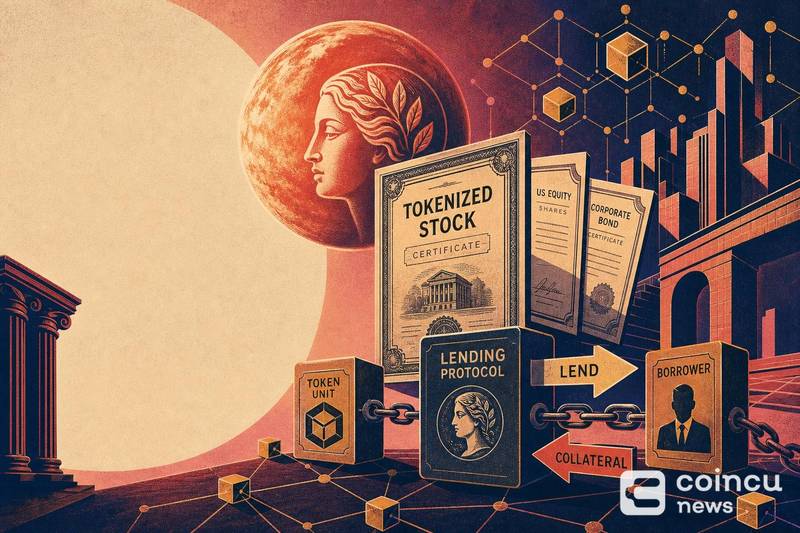
The new market allows users to borrow against tokenized stock collateral within Venus Protocol’s existing lending infrastructure. Rather than functioning as a spot trading venue for equities, Venus positions itself as a borrowing and lending layer where stock-linked tokens serve as pledged collateral.
Venus Protocol Introduces a Tokenized Stock Collateral Market
The launch introduces a dedicated lending market where tokenized representations of stocks can be deposited as collateral. Users who hold these tokenized equity positions can unlock liquidity without selling their stock exposure, borrowing stablecoins or other assets against their holdings.
This represents a departure from crypto-only collateral models that have dominated DeFi lending. Traditionally, protocols like Venus have accepted tokens such as BNB, ETH, and stablecoins as collateral. Adding stock-linked assets broadens the range of value that users can put to work inside the protocol.
The mechanism follows the same overcollateralized borrowing framework familiar to DeFi users. Depositors supply tokenized stock assets, receive a borrowing capacity based on collateral factors set by the protocol, and can draw loans up to their limit. Liquidation applies if collateral value falls below required thresholds.
Exact collateral parameters, supported stock tokens, and risk configurations for the new market have not been independently confirmed at the time of publication. Users should consult the Venus Protocol community forum for the latest product specifications.
How Tokenized Stock Collateral Fits Venus Protocol’s Lending Model
Tokenized stock collateral refers to blockchain-based tokens that represent ownership or exposure to traditional equities. When deposited into a lending protocol, these tokens function similarly to how crypto assets secure loans in existing DeFi markets.
The key difference is the source of value. Instead of relying exclusively on crypto-native assets, the protocol now accepts collateral tied to equity market performance. This creates a borrowing path for users who want to maintain stock exposure while accessing on-chain liquidity.
Compared with crypto-only lending markets, stock-linked collateral introduces exposure to traditional equity markets, which may not always move in lockstep with digital assets. This potential for lower correlation could improve risk dynamics within a lending pool, though it also introduces new dependencies on the tokenization layer and oracle feeds for equity prices.
The protocol’s risk management approach for these new asset types, including liquidation parameters and collateral ratios, will be central to the market’s performance. Users should verify these details directly through official Venus governance channels before participating.
Why BNB Chain Matters for This DeFi Launch
Venus Protocol’s choice to deploy on BNB Chain is consistent with its existing infrastructure. The protocol has operated primarily on BNB Chain since its launch, making it one of the larger lending platforms in the ecosystem.
BNB Chain has been actively building out its tokenized equity infrastructure. The chain introduced bStocks for 24/7 tokenized stock trading with zero fees and full self-custody, creating a foundation for DeFi protocols to integrate stock-linked assets.
The ecosystem has also seen the launch of xStocks with 50 tokenized equities and plans for 100 more. These tokenized stock platforms provide the underlying asset layer that a lending market like Venus can build upon.
For users, BNB Chain’s relatively low transaction fees and fast block times reduce the friction of interacting with a collateralized lending market. Frequent operations like depositing collateral, borrowing, repaying, and managing positions near liquidation thresholds all benefit from lower gas costs. The growing volume of on-chain activity across BNB Chain, including movements like when Binance recorded $154 million in net USDT inflows in a single day, highlights the scale of capital flowing through the ecosystem.
What the Launch Suggests About Tokenized Assets in DeFi
Venus Protocol’s move fits within a growing category of real-world asset integration in DeFi. Expanding collateral classes beyond crypto-native tokens could attract capital from users who hold diversified portfolios spanning both digital and traditional assets.
Tokenized equities carry distinct considerations around issuer reliability, redemption mechanisms, and jurisdictional compliance that differ from standard crypto collateral. The regulatory treatment of tokenized securities remains an evolving area, and protocols integrating these assets must navigate both DeFi-native risks and traditional finance compliance requirements.
Institutional interest in self-custody solutions has been growing in parallel, as reflected by developments like self-custody wallet creation milestones exceeding 100,000 users. This broader trend toward self-custodied financial products aligns with the value proposition of a lending market where users retain control of their collateral on-chain.
Large-scale capital movements between centralized and decentralized venues, such as when K3 Capital withdrew 10,000 ETH worth $16.92 million from Binance, suggest growing appetite for on-chain financial products. New collateral types could help protocols like Venus compete for this migrating liquidity.
FAQ About Venus Protocol’s Tokenized Stock Lending Market
What did Venus Protocol launch?
Venus Protocol launched a tokenized stock collateral lending market on BNB Chain. This market allows users to deposit tokenized stock assets as collateral and borrow against them within the Venus lending platform.
What is tokenized stock collateral?
Tokenized stock collateral refers to blockchain-based tokens that represent ownership or exposure to traditional equities. When used as collateral, these tokens are locked in a lending protocol to secure a loan, similar to how crypto assets like BNB or ETH function as collateral in existing DeFi markets.
Why does BNB Chain matter for this launch?
Venus Protocol operates primarily on BNB Chain, where the ecosystem has been building tokenized equity infrastructure including platforms like bStocks and xStocks. BNB Chain’s lower transaction costs also make frequent lending operations more practical for users managing collateral positions.
Who might find this product useful?
The market may appeal to holders of tokenized stock positions who want liquidity without selling their equity exposure. It could also interest DeFi users looking for collateral options beyond standard crypto assets, particularly those seeking diversification in their borrowing strategies.
What risks should users consider?
Users should evaluate the reliability of the tokenization provider backing the stock-linked assets, the accuracy and timeliness of price oracle feeds, liquidation parameters specific to these new collateral types, and any regulatory uncertainties around tokenized securities in their jurisdiction. As with all DeFi lending, positions can be liquidated if collateral values decline below required thresholds.
Disclaimer: This article is for informational purposes only and does not constitute financial or investment advice. Cryptocurrency and digital asset markets carry significant risk. Always do your own research before making decisions.
No tags available.


Other Posts







- China, US Conclude Trade Talks with Focus on Cooperation
- Crypto Weekly: NYSE Backs OKX, Kraken Gets Fed Access, BTC Sells
- DeriW Launches Edge Hour Trading Competition Platform for Derivatives Traders
- Court Upholds Fed’s Rejection of Custodia Bank’s Request
- Former CFO Convicted for $35M Fraudulent Crypto Investment
- Michael Saylor Denies Bitcoin Sell-Off Amid Large BTC Transfer
- Buy Dogecoin on eToro: Step-by-Step Guide for Beginners (2024)
- Kazakhstan Explores Crypto Reserves Backed by National Funds
- JPMorgan Increases Holdings in BlackRock’s Bitcoin ETF
- Nordea Bank Introduces Bitcoin ETP Trading for Nordic Customers
- XRP Spot ETF Launches on Nasdaq Amid Market Fluctuations
- Crypto Leaders Address Macro Volatility Amid Market Shifts
- Peter Schiff Challenges Michael Saylor on MSTR’s Business Model
- Thailand Orders Worldcoin to Delete 1.2 Million Biometric Records
- UK Proposes New DeFi Tax Framework to Ease User Burden
- WLFI Under Fire: Analyst Warns Hyperliquid Could Be Next
- Ancient Ethereum Whale Moves $1.19 Billion After Decade
- BlackRock Receives Large Crypto Transfers from Coinbase
- SEC Scrutiny on ALT5 Sigma’s Leadership Disclosure Timing
- MoonPay Gains Trust License for Crypto Operations in New York
- China, US Conclude Trade Talks with Focus on Cooperation
- Crypto Weekly: NYSE Backs OKX, Kraken Gets Fed Access, BTC Sells
- DeriW Launches Edge Hour Trading Competition Platform for Derivatives Traders
- Court Upholds Fed’s Rejection of Custodia Bank’s Request
- Former CFO Convicted for $35M Fraudulent Crypto Investment
- Michael Saylor Denies Bitcoin Sell-Off Amid Large BTC Transfer
- Buy Dogecoin on eToro: Step-by-Step Guide for Beginners (2024)
- Kazakhstan Explores Crypto Reserves Backed by National Funds
- JPMorgan Increases Holdings in BlackRock’s Bitcoin ETF
- Nordea Bank Introduces Bitcoin ETP Trading for Nordic Customers
- XRP Spot ETF Launches on Nasdaq Amid Market Fluctuations
- Crypto Leaders Address Macro Volatility Amid Market Shifts
- Peter Schiff Challenges Michael Saylor on MSTR’s Business Model
- Thailand Orders Worldcoin to Delete 1.2 Million Biometric Records
- UK Proposes New DeFi Tax Framework to Ease User Burden
- WLFI Under Fire: Analyst Warns Hyperliquid Could Be Next
- Ancient Ethereum Whale Moves $1.19 Billion After Decade
- BlackRock Receives Large Crypto Transfers from Coinbase
- SEC Scrutiny on ALT5 Sigma’s Leadership Disclosure Timing
- MoonPay Gains Trust License for Crypto Operations in New York
- China, US Conclude Trade Talks with Focus on Cooperation
- Crypto Weekly: NYSE Backs OKX, Kraken Gets Fed Access, BTC Sells
- DeriW Launches Edge Hour Trading Competition Platform for Derivatives Traders
- Court Upholds Fed’s Rejection of Custodia Bank’s Request
- Former CFO Convicted for $35M Fraudulent Crypto Investment
- Michael Saylor Denies Bitcoin Sell-Off Amid Large BTC Transfer
- Buy Dogecoin on eToro: Step-by-Step Guide for Beginners (2024)
- Kazakhstan Explores Crypto Reserves Backed by National Funds
- JPMorgan Increases Holdings in BlackRock’s Bitcoin ETF
- Nordea Bank Introduces Bitcoin ETP Trading for Nordic Customers
- XRP Spot ETF Launches on Nasdaq Amid Market Fluctuations
- Crypto Leaders Address Macro Volatility Amid Market Shifts
- Peter Schiff Challenges Michael Saylor on MSTR’s Business Model
- Thailand Orders Worldcoin to Delete 1.2 Million Biometric Records
- UK Proposes New DeFi Tax Framework to Ease User Burden
- WLFI Under Fire: Analyst Warns Hyperliquid Could Be Next
- Ancient Ethereum Whale Moves $1.19 Billion After Decade
- BlackRock Receives Large Crypto Transfers from Coinbase
- SEC Scrutiny on ALT5 Sigma’s Leadership Disclosure Timing
- MoonPay Gains Trust License for Crypto Operations in New York



F2Pool Co-Founder May Have Accumulated $33.41M in ETH and WBTC

PremiumBlock Launches Non-Custodial Risk Hub for User-Created Prediction Markets, Perps and Web3 Poker