South Korea’s New Start Fund Adds Crypto Assets to Debt Relief Review
South Korea’s New Start Fund now includes cryptocurrency assets as part of its debt relief eligibility review, marking a shift in how the country’s financial authorities assess borrowers seeking relief through public debt workout programs.
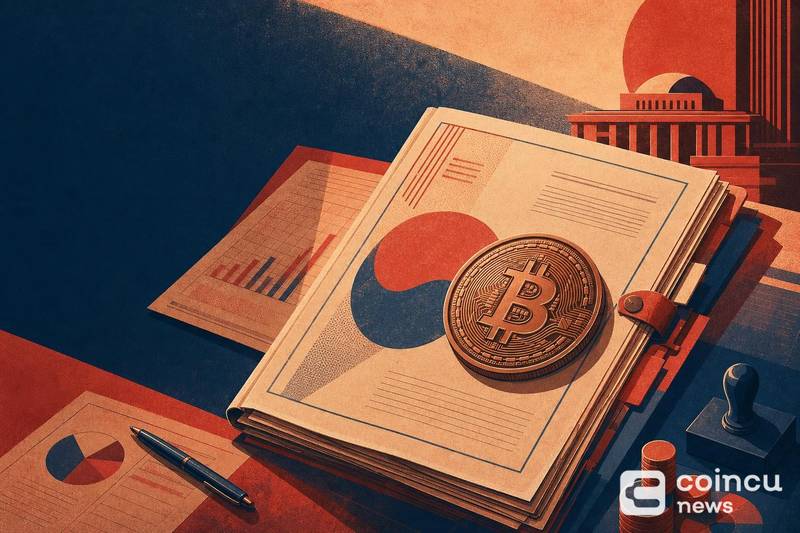
The policy update, outlined by South Korea’s Financial Services Commission (FSC), means that applicants to the New Start Fund will have their digital asset holdings examined alongside traditional financial assets during the screening process. For related coverage, see a16z Crypto Expands into Asia with New Office in Seoul, South Korea.
How the New Start Fund Review Changed
The New Start Fund is a government-backed debt relief program designed to help low-income and heavily indebted individuals manage or reduce their financial obligations. Eligibility has traditionally been determined by reviewing a borrower’s income, conventional assets, and outstanding liabilities.
Under the updated framework, crypto holdings are now factored into the review criteria. This means applicants who hold digital assets on exchanges or in personal wallets may see those holdings weighed when authorities assess their overall financial position and repayment capacity.
The change reflects a broader recognition by South Korean regulators that digital assets represent meaningful financial value. As South Korea has refined its approach to mandatory reporting for crypto transfers, the inclusion of crypto in debt relief screening follows a similar logic of treating digital assets as part of a borrower’s complete financial picture.
Why Crypto Assets Are Being Counted Now
South Korea has one of the world’s most active retail crypto trading populations. Excluding digital assets from debt relief assessments created a gap where applicants could hold significant crypto value while qualifying for relief programs intended for those with limited means.
By including crypto in the review, the FSC aims to ensure fairness in how debt workout eligibility is determined. The move addresses a perceived loophole rather than targeting crypto holders specifically.
It is important to distinguish between holding crypto and abusing the relief system. Owning a small amount of cryptocurrency does not automatically disqualify an applicant. The review considers crypto as one component of total assets, alongside bank deposits, real estate, and other holdings.
What This Means for Debt Relief Applicants
Applicants to the New Start Fund may now face stricter disclosure expectations regarding their digital asset holdings. This could include providing exchange account statements or wallet balance documentation as part of the application process.
Those with substantial crypto exposure may be assessed differently than under previous rules, potentially affecting their eligibility or the terms of their debt relief arrangement. The exact thresholds and implementation details are subject to the FSC’s operational guidelines.
This development comes as South Korea continues to formalize its regulatory treatment of digital assets. The country has also seen significant public engagement on crypto policy, with a crypto tax petition topping 58,000 signatures and advancing to legislative review.
South Korea’s Broader Crypto Oversight Direction
Including crypto in a public financial relief program signals deeper institutional acceptance of digital assets as reportable financial instruments. It moves beyond exchange-level regulation into household finance, where crypto holdings can materially affect an individual’s financial profile.
South Korea has taken several steps in this direction. The Korea Exchange has moved to promote virtual asset derivatives and support the Busan digital asset hub, while regulatory bodies have adjusted reporting requirements for crypto transactions.
The New Start Fund update should not be overstated as a full regulatory overhaul. It is a targeted adjustment to one debt relief program’s assessment criteria, not a sweeping new crypto law. However, it does set a precedent for how other public financial programs might treat digital assets in the future.
FAQ About the New Start Fund and Crypto Asset Review
Does owning crypto automatically disqualify someone from the New Start Fund?
No. Crypto holdings are reviewed as part of a borrower’s total asset profile. Small holdings are unlikely to affect eligibility on their own. The review considers the full financial picture, including income, debts, and all asset types.
Will applicants need to disclose exchange-held assets?
The updated review framework suggests that crypto assets, including those held on exchanges, may need to be disclosed during the application process. Applicants should expect to provide documentation of their digital asset holdings as part of standard financial disclosure.
Does this change the purpose of the New Start Fund?
No. The fund’s core mission of providing debt relief to qualifying individuals remains unchanged. The update only modifies how applicant assets are assessed, bringing crypto into line with how other financial assets are already treated in the review process. South Korea’s active crypto trading population makes this adjustment particularly relevant to a significant number of potential applicants.
Disclaimer: This article is for informational purposes only and does not constitute financial or investment advice. Cryptocurrency and digital asset markets carry significant risk. Always do your own research before making decisions.
No tags available.


Other Posts








- China, US Conclude Trade Talks with Focus on Cooperation
- Crypto Weekly: NYSE Backs OKX, Kraken Gets Fed Access, BTC Sells
- DeriW Launches Edge Hour Trading Competition Platform for Derivatives Traders
- Court Upholds Fed’s Rejection of Custodia Bank’s Request
- Former CFO Convicted for $35M Fraudulent Crypto Investment
- Michael Saylor Denies Bitcoin Sell-Off Amid Large BTC Transfer
- Buy Dogecoin on eToro: Step-by-Step Guide for Beginners (2024)
- Kazakhstan Explores Crypto Reserves Backed by National Funds
- JPMorgan Increases Holdings in BlackRock’s Bitcoin ETF
- Nordea Bank Introduces Bitcoin ETP Trading for Nordic Customers
- XRP Spot ETF Launches on Nasdaq Amid Market Fluctuations
- Crypto Leaders Address Macro Volatility Amid Market Shifts
- Peter Schiff Challenges Michael Saylor on MSTR’s Business Model
- Thailand Orders Worldcoin to Delete 1.2 Million Biometric Records
- UK Proposes New DeFi Tax Framework to Ease User Burden
- WLFI Under Fire: Analyst Warns Hyperliquid Could Be Next
- Ancient Ethereum Whale Moves $1.19 Billion After Decade
- BlackRock Receives Large Crypto Transfers from Coinbase
- SEC Scrutiny on ALT5 Sigma’s Leadership Disclosure Timing
- MoonPay Gains Trust License for Crypto Operations in New York
- China, US Conclude Trade Talks with Focus on Cooperation
- Crypto Weekly: NYSE Backs OKX, Kraken Gets Fed Access, BTC Sells
- DeriW Launches Edge Hour Trading Competition Platform for Derivatives Traders
- Court Upholds Fed’s Rejection of Custodia Bank’s Request
- Former CFO Convicted for $35M Fraudulent Crypto Investment
- Michael Saylor Denies Bitcoin Sell-Off Amid Large BTC Transfer
- Buy Dogecoin on eToro: Step-by-Step Guide for Beginners (2024)
- Kazakhstan Explores Crypto Reserves Backed by National Funds
- JPMorgan Increases Holdings in BlackRock’s Bitcoin ETF
- Nordea Bank Introduces Bitcoin ETP Trading for Nordic Customers
- XRP Spot ETF Launches on Nasdaq Amid Market Fluctuations
- Crypto Leaders Address Macro Volatility Amid Market Shifts
- Peter Schiff Challenges Michael Saylor on MSTR’s Business Model
- Thailand Orders Worldcoin to Delete 1.2 Million Biometric Records
- UK Proposes New DeFi Tax Framework to Ease User Burden
- WLFI Under Fire: Analyst Warns Hyperliquid Could Be Next
- Ancient Ethereum Whale Moves $1.19 Billion After Decade
- BlackRock Receives Large Crypto Transfers from Coinbase
- SEC Scrutiny on ALT5 Sigma’s Leadership Disclosure Timing
- MoonPay Gains Trust License for Crypto Operations in New York
- China, US Conclude Trade Talks with Focus on Cooperation
- Crypto Weekly: NYSE Backs OKX, Kraken Gets Fed Access, BTC Sells
- DeriW Launches Edge Hour Trading Competition Platform for Derivatives Traders
- Court Upholds Fed’s Rejection of Custodia Bank’s Request
- Former CFO Convicted for $35M Fraudulent Crypto Investment
- Michael Saylor Denies Bitcoin Sell-Off Amid Large BTC Transfer
- Buy Dogecoin on eToro: Step-by-Step Guide for Beginners (2024)
- Kazakhstan Explores Crypto Reserves Backed by National Funds
- JPMorgan Increases Holdings in BlackRock’s Bitcoin ETF
- Nordea Bank Introduces Bitcoin ETP Trading for Nordic Customers
- XRP Spot ETF Launches on Nasdaq Amid Market Fluctuations
- Crypto Leaders Address Macro Volatility Amid Market Shifts
- Peter Schiff Challenges Michael Saylor on MSTR’s Business Model
- Thailand Orders Worldcoin to Delete 1.2 Million Biometric Records
- UK Proposes New DeFi Tax Framework to Ease User Burden
- WLFI Under Fire: Analyst Warns Hyperliquid Could Be Next
- Ancient Ethereum Whale Moves $1.19 Billion After Decade
- BlackRock Receives Large Crypto Transfers from Coinbase
- SEC Scrutiny on ALT5 Sigma’s Leadership Disclosure Timing
- MoonPay Gains Trust License for Crypto Operations in New York

South Korea’s New Start Fund Adds Crypto Assets to Debt Relief Review

Ethereum Releases Glamsterdam Devnet-6 as Testnet Progress Continues


The DATA Foundation Launches to Tackle AI’s Multi-Billion Dollar Training Data Bottleneck

Solstice and Tensorx to Buy $1 Billion in AI Infrastructure to Support EU Sovereign AI Demand