Whale Swaps 4,695 ETH for 133.8 BTC as Bitcoin Rotation Draws Focus
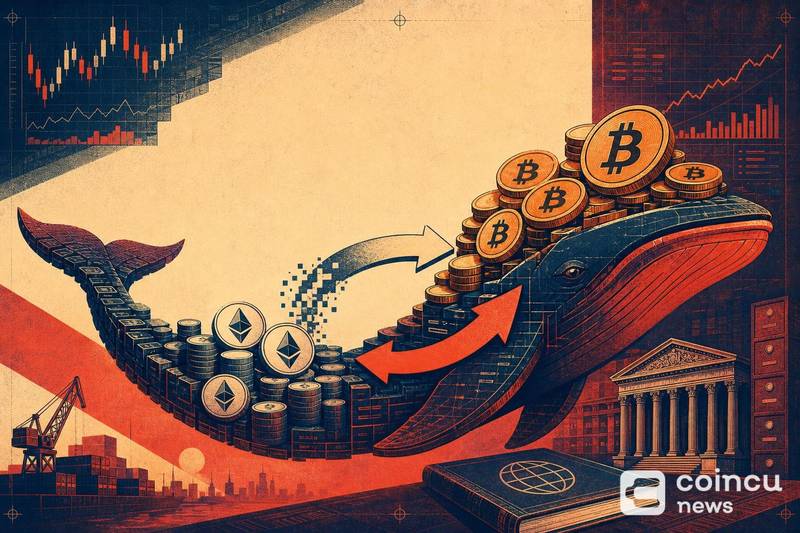
A crypto whale swapped 4,695 ETH for 133.8 BTC, executing a significant rotation from Ethereum into Bitcoin that has drawn attention from on-chain watchers tracking large-holder positioning between the two largest crypto assets.
What Is Confirmed About the 4,695 ETH to 133.8 BTC Swap
The core verified fact is the transaction itself: a single wallet converted 4,695 ETH into 133.8 BTC. The swap was flagged by on-chain tracking services monitoring large-value transfers between major crypto assets. For related coverage, see Whale 'sat0shi777' Liquidated for 31,600 ETH in Ethereum Short Position.
At the time of the transaction, the implied exchange ratio was approximately 35.04 ETH per 1 BTC. This ratio reflects the relative pricing between the two assets at the moment of execution, not a discount or premium negotiated separately.
The confirmed fact is limited to the swap itself. No public statement from the wallet owner has been identified, and no verified information about the trader’s broader portfolio or motive has surfaced.
Why a Whale Rotation From ETH Into BTC Matters
When a large holder moves capital from Ethereum into Bitcoin, it signals a preference for BTC exposure over ETH at that specific moment. Traders monitor these rotations because whale behavior can precede or reflect broader sentiment shifts in the market.
This swap is directionally notable: the whale chose to reduce ETH holdings and increase BTC holdings. Similar large whale accumulations involving ETH and wrapped BTC have been tracked in recent weeks, suggesting active repositioning among major holders.
However, a single transaction does not confirm a trend. One swap, regardless of size, could represent portfolio rebalancing, tax planning, or hedging rather than a directional bet against Ethereum.
Key Numbers and Execution Clues
The transaction size of 4,695 ETH places this in whale territory. At typical market prices, this represents a multi-million dollar position change executed in a single operation.
The output of 133.8 BTC suggests the swap was completed at or near market rates. Whether the execution occurred through an OTC desk, a DEX aggregator, or a centralized exchange order book remains unconfirmed from available reporting.
The transaction details reported by market data services indicate a clean conversion without evidence of slippage-heavy routing that would suggest urgency or poor execution. Recent BTC flows into centralized exchanges provide additional context for how large Bitcoin movements have been trending.
What Remains Unclear Behind the Whale’s Intent
No confirmed public statement from the wallet owner exists in available reporting. The motive behind the swap, whether bearish on ETH, bullish on BTC, or purely mechanical, cannot be determined from the transaction alone.
Assuming the whale is bearish on Ethereum would be premature. Large holders frequently rotate between assets for reasons unrelated to directional conviction, including yield optimization, collateral requirements, or liquidity management.
There is also no confirmed evidence that this swap is part of a larger series of transactions. Without wallet history analysis showing a pattern of ETH-to-BTC conversions, this could be an isolated rebalancing event. Previous instances of large swaps involving thousands of ETH have not always indicated sustained directional moves.
What to Watch Next for BTC, ETH, and Whale Positioning
The most immediate signal to monitor is whether the same wallet executes additional conversions in coming days. A follow-up swap would strengthen the case for intentional rotation rather than one-time rebalancing.
BTC and ETH relative performance in the sessions following the swap will indicate whether other market participants are reading this as a signal. If the BTC/ETH ratio continues to widen, it would align with the direction of this whale’s trade.
Traders should also watch whether similar-sized ETH-to-BTC flows emerge from other whale wallets. Coordinated rotation among multiple large holders would carry more weight than a single isolated transaction. Cases like ETH whale positions facing liquidation risk demonstrate how quickly large-holder positioning can shift market dynamics.
Disclaimer: This article is for informational purposes only and does not constitute financial or investment advice. Cryptocurrency and digital asset markets carry significant risk. Always do your own research before making decisions.
No tags available.


Other Posts








- China, US Conclude Trade Talks with Focus on Cooperation
- Crypto Weekly: NYSE Backs OKX, Kraken Gets Fed Access, BTC Sells
- Court Upholds Fed’s Rejection of Custodia Bank’s Request
- DeriW Launches Edge Hour Trading Competition Platform for Derivatives Traders
- Former CFO Convicted for $35M Fraudulent Crypto Investment
- Michael Saylor Denies Bitcoin Sell-Off Amid Large BTC Transfer
- Buy Dogecoin on eToro: Step-by-Step Guide for Beginners (2024)
- Kazakhstan Explores Crypto Reserves Backed by National Funds
- JPMorgan Increases Holdings in BlackRock’s Bitcoin ETF
- Nordea Bank Introduces Bitcoin ETP Trading for Nordic Customers
- XRP Spot ETF Launches on Nasdaq Amid Market Fluctuations
- Peter Schiff Challenges Michael Saylor on MSTR’s Business Model
- Thailand Orders Worldcoin to Delete 1.2 Million Biometric Records
- UK Proposes New DeFi Tax Framework to Ease User Burden
- WLFI Under Fire: Analyst Warns Hyperliquid Could Be Next
- Ancient Ethereum Whale Moves $1.19 Billion After Decade
- BlackRock Receives Large Crypto Transfers from Coinbase
- SEC Scrutiny on ALT5 Sigma’s Leadership Disclosure Timing
- Yala Injects $5.5 Million Amid Recovery Efforts
- Radiant Capital Faces $50M Loss in Major Security Breach
- China, US Conclude Trade Talks with Focus on Cooperation
- Crypto Weekly: NYSE Backs OKX, Kraken Gets Fed Access, BTC Sells
- Court Upholds Fed’s Rejection of Custodia Bank’s Request
- DeriW Launches Edge Hour Trading Competition Platform for Derivatives Traders
- Former CFO Convicted for $35M Fraudulent Crypto Investment
- Michael Saylor Denies Bitcoin Sell-Off Amid Large BTC Transfer
- Buy Dogecoin on eToro: Step-by-Step Guide for Beginners (2024)
- Kazakhstan Explores Crypto Reserves Backed by National Funds
- JPMorgan Increases Holdings in BlackRock’s Bitcoin ETF
- Nordea Bank Introduces Bitcoin ETP Trading for Nordic Customers
- XRP Spot ETF Launches on Nasdaq Amid Market Fluctuations
- Peter Schiff Challenges Michael Saylor on MSTR’s Business Model
- Thailand Orders Worldcoin to Delete 1.2 Million Biometric Records
- UK Proposes New DeFi Tax Framework to Ease User Burden
- WLFI Under Fire: Analyst Warns Hyperliquid Could Be Next
- Ancient Ethereum Whale Moves $1.19 Billion After Decade
- BlackRock Receives Large Crypto Transfers from Coinbase
- SEC Scrutiny on ALT5 Sigma’s Leadership Disclosure Timing
- Yala Injects $5.5 Million Amid Recovery Efforts
- Radiant Capital Faces $50M Loss in Major Security Breach
- China, US Conclude Trade Talks with Focus on Cooperation
- Crypto Weekly: NYSE Backs OKX, Kraken Gets Fed Access, BTC Sells
- Court Upholds Fed’s Rejection of Custodia Bank’s Request
- DeriW Launches Edge Hour Trading Competition Platform for Derivatives Traders
- Former CFO Convicted for $35M Fraudulent Crypto Investment
- Michael Saylor Denies Bitcoin Sell-Off Amid Large BTC Transfer
- Buy Dogecoin on eToro: Step-by-Step Guide for Beginners (2024)
- Kazakhstan Explores Crypto Reserves Backed by National Funds
- JPMorgan Increases Holdings in BlackRock’s Bitcoin ETF
- Nordea Bank Introduces Bitcoin ETP Trading for Nordic Customers
- XRP Spot ETF Launches on Nasdaq Amid Market Fluctuations
- Peter Schiff Challenges Michael Saylor on MSTR’s Business Model
- Thailand Orders Worldcoin to Delete 1.2 Million Biometric Records
- UK Proposes New DeFi Tax Framework to Ease User Burden
- WLFI Under Fire: Analyst Warns Hyperliquid Could Be Next
- Ancient Ethereum Whale Moves $1.19 Billion After Decade
- BlackRock Receives Large Crypto Transfers from Coinbase
- SEC Scrutiny on ALT5 Sigma’s Leadership Disclosure Timing
- Yala Injects $5.5 Million Amid Recovery Efforts
- Radiant Capital Faces $50M Loss in Major Security Breach

Whale Swaps 4,695 ETH for 133.8 BTC as Bitcoin Rotation Draws Focus


Crypto Fear & Greed Index at 24 Signals Extreme Fear in the Market