Circle has open-sourced its Agent Stack Toolkit, a developer resource designed to let AI agent frameworks integrate USDC payments and on-chain functions directly into autonomous workflows.
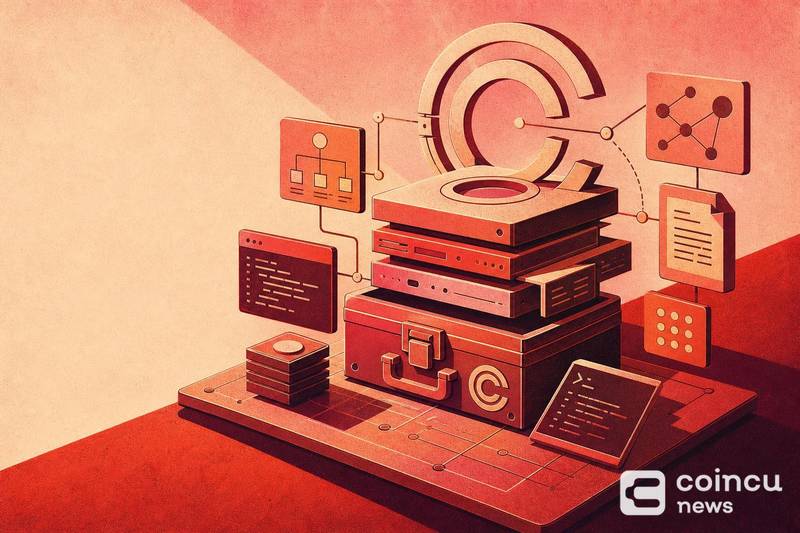
The release positions Circle as an infrastructure provider for the growing intersection of artificial intelligence and blockchain, giving developers open access to tools that bridge stablecoin transactions with programmable agent behavior. For related coverage, see Wisconsin Complaint Targets Circle Over Fraud Fund Recovery.
What Circle Released With the Agent Stack Toolkit
Circle announced the open-source availability of its Agent Stack Toolkit through its developer portal. The toolkit targets builders working with AI agent frameworks who need native access to payment rails and blockchain execution. For related coverage, see Circle Issues Additional 250 Million USDC on Solana.
The source code is available on GitHub under the circlefin organization, where developers can access starter kits for integration. By open-sourcing the stack, Circle removes licensing barriers that might otherwise slow experimentation in agent-driven finance applications.
The move follows a broader industry pattern where Kraken has launched AI agent trading for retail users and Coinbase’s x402 protocol enables AI agents to pay fees on-chain. Circle’s contribution adds a stablecoin-native layer to this emerging stack.
How USDC and On-Chain Functions Fit the Toolkit
USDC as the Payment Layer
USDC serves as the default payment mechanism within the toolkit. For AI agents that need to execute financial transactions autonomously, a dollar-pegged stablecoin provides predictable value transfer without requiring agents to manage volatile asset exposure.
Circle’s decision to center USDC in the toolkit aligns with its broader strategy of expanding stablecoin utility beyond simple transfers. The company has been actively growing USDC supply across multiple chains, including a recent issuance of 250 million USDC on Solana.
On-Chain Functions for Agent Execution
The on-chain functions component gives AI agents the ability to read blockchain state and execute transactions programmatically. This means agents can interact with smart contracts, check balances, and trigger transfers without human intervention at each step.
Combining payments with on-chain execution creates a self-contained operational layer. An AI agent could, for example, monitor a condition on-chain and automatically settle a USDC payment when that condition is met.
Why Open-Source Availability Matters for AI Agent Frameworks
Developer Enablement
Open-source distribution lowers the barrier to entry for developers building agent-based applications. Teams can inspect the code, fork it, and adapt it to their specific framework without negotiating access or waiting for API approvals.
The starter kits on GitHub suggest Circle is targeting rapid prototyping. Developers working with popular AI agent frameworks can integrate USDC capabilities without building payment infrastructure from scratch.
Ecosystem Implications
The release signals that stablecoin issuers see AI agents as a meaningful distribution channel. As autonomous agents gain transaction capabilities, the infrastructure connecting them to real financial rails becomes a competitive layer.
This development sits alongside institutional efforts to formalize AI agent commerce. A consortium of 27 institutions including OKX and MetaMask recently launched a dispute resolution framework specifically for AI agent trading, indicating the ecosystem is maturing beyond proof-of-concept stage.
What to Watch After Circle Open-Sources the Stack
Several details remain unclear following the initial announcement. The specific AI agent frameworks supported, the depth of documentation, and whether Circle will maintain the open-source repository actively are all factors that will determine real adoption.
Developer traction on the GitHub repository will be an early signal. Stars, forks, and pull request activity over the coming weeks will indicate whether the toolkit meets actual builder needs or remains primarily a positioning exercise.
How USDC workflows perform in production agent scenarios is another open question. Testnet demonstrations differ significantly from live environments where gas costs, transaction latency, and error handling become critical constraints.
FAQ About Circle’s Agent Stack Toolkit
What did Circle announce?
Circle open-sourced its Agent Stack Toolkit, making it freely available for developers building AI agent applications that need payment and blockchain capabilities.
What is the Agent Stack Toolkit for?
The toolkit enables AI agent frameworks to integrate USDC payments and on-chain functions, allowing autonomous agents to execute financial transactions and interact with blockchain networks.
Why is USDC included in the toolkit?
USDC provides a stable, dollar-denominated payment rail that AI agents can use for value transfer without exposure to cryptocurrency price volatility.
Where can developers access the toolkit?
The toolkit is available through Circle’s developer portal and as open-source starter kits on GitHub under the circlefin organization.
Disclaimer: This article is for informational purposes only and does not constitute financial or investment advice. Cryptocurrency and digital asset markets carry significant risk. Always do your own research before making decisions.
No tags available.


Other Posts








- China, US Conclude Trade Talks with Focus on Cooperation
- Crypto Weekly: NYSE Backs OKX, Kraken Gets Fed Access, BTC Sells
- Court Upholds Fed’s Rejection of Custodia Bank’s Request
- Former CFO Convicted for $35M Fraudulent Crypto Investment
- DeriW Launches Edge Hour Trading Competition Platform for Derivatives Traders
- Michael Saylor Denies Bitcoin Sell-Off Amid Large BTC Transfer
- Buy Dogecoin on eToro: Step-by-Step Guide for Beginners (2024)
- Kazakhstan Explores Crypto Reserves Backed by National Funds
- JPMorgan Increases Holdings in BlackRock’s Bitcoin ETF
- Nordea Bank Introduces Bitcoin ETP Trading for Nordic Customers
- XRP Spot ETF Launches on Nasdaq Amid Market Fluctuations
- Peter Schiff Challenges Michael Saylor on MSTR’s Business Model
- Thailand Orders Worldcoin to Delete 1.2 Million Biometric Records
- UK Proposes New DeFi Tax Framework to Ease User Burden
- WLFI Under Fire: Analyst Warns Hyperliquid Could Be Next
- Ancient Ethereum Whale Moves $1.19 Billion After Decade
- BlackRock Receives Large Crypto Transfers from Coinbase
- SEC Scrutiny on ALT5 Sigma’s Leadership Disclosure Timing
- Yala Injects $5.5 Million Amid Recovery Efforts
- Radiant Capital Faces $50M Loss in Major Security Breach
- China, US Conclude Trade Talks with Focus on Cooperation
- Crypto Weekly: NYSE Backs OKX, Kraken Gets Fed Access, BTC Sells
- Court Upholds Fed’s Rejection of Custodia Bank’s Request
- Former CFO Convicted for $35M Fraudulent Crypto Investment
- DeriW Launches Edge Hour Trading Competition Platform for Derivatives Traders
- Michael Saylor Denies Bitcoin Sell-Off Amid Large BTC Transfer
- Buy Dogecoin on eToro: Step-by-Step Guide for Beginners (2024)
- Kazakhstan Explores Crypto Reserves Backed by National Funds
- JPMorgan Increases Holdings in BlackRock’s Bitcoin ETF
- Nordea Bank Introduces Bitcoin ETP Trading for Nordic Customers
- XRP Spot ETF Launches on Nasdaq Amid Market Fluctuations
- Peter Schiff Challenges Michael Saylor on MSTR’s Business Model
- Thailand Orders Worldcoin to Delete 1.2 Million Biometric Records
- UK Proposes New DeFi Tax Framework to Ease User Burden
- WLFI Under Fire: Analyst Warns Hyperliquid Could Be Next
- Ancient Ethereum Whale Moves $1.19 Billion After Decade
- BlackRock Receives Large Crypto Transfers from Coinbase
- SEC Scrutiny on ALT5 Sigma’s Leadership Disclosure Timing
- Yala Injects $5.5 Million Amid Recovery Efforts
- Radiant Capital Faces $50M Loss in Major Security Breach
- China, US Conclude Trade Talks with Focus on Cooperation
- Crypto Weekly: NYSE Backs OKX, Kraken Gets Fed Access, BTC Sells
- Court Upholds Fed’s Rejection of Custodia Bank’s Request
- Former CFO Convicted for $35M Fraudulent Crypto Investment
- DeriW Launches Edge Hour Trading Competition Platform for Derivatives Traders
- Michael Saylor Denies Bitcoin Sell-Off Amid Large BTC Transfer
- Buy Dogecoin on eToro: Step-by-Step Guide for Beginners (2024)
- Kazakhstan Explores Crypto Reserves Backed by National Funds
- JPMorgan Increases Holdings in BlackRock’s Bitcoin ETF
- Nordea Bank Introduces Bitcoin ETP Trading for Nordic Customers
- XRP Spot ETF Launches on Nasdaq Amid Market Fluctuations
- Peter Schiff Challenges Michael Saylor on MSTR’s Business Model
- Thailand Orders Worldcoin to Delete 1.2 Million Biometric Records
- UK Proposes New DeFi Tax Framework to Ease User Burden
- WLFI Under Fire: Analyst Warns Hyperliquid Could Be Next
- Ancient Ethereum Whale Moves $1.19 Billion After Decade
- BlackRock Receives Large Crypto Transfers from Coinbase
- SEC Scrutiny on ALT5 Sigma’s Leadership Disclosure Timing
- Yala Injects $5.5 Million Amid Recovery Efforts
- Radiant Capital Faces $50M Loss in Major Security Breach


Uniswap Labs Proposes Protocol Fees for v4 Pools as Snapshot Vote Opens July 7

AFX Surpasses $1.1 Billion in Total Trading Volume, Highlighting Capital Efficiency in On-Chain Derivatives