Paul Tudor Jones’ Firm Rebuys BlackRock Bitcoin ETF After Year of Selling
Paul Tudor Jones’ firm has bought back into BlackRock’s spot Bitcoin ETF, re-establishing a position in the product after roughly a year of reducing its exposure, a shift disclosed through the firm’s regulatory filings.
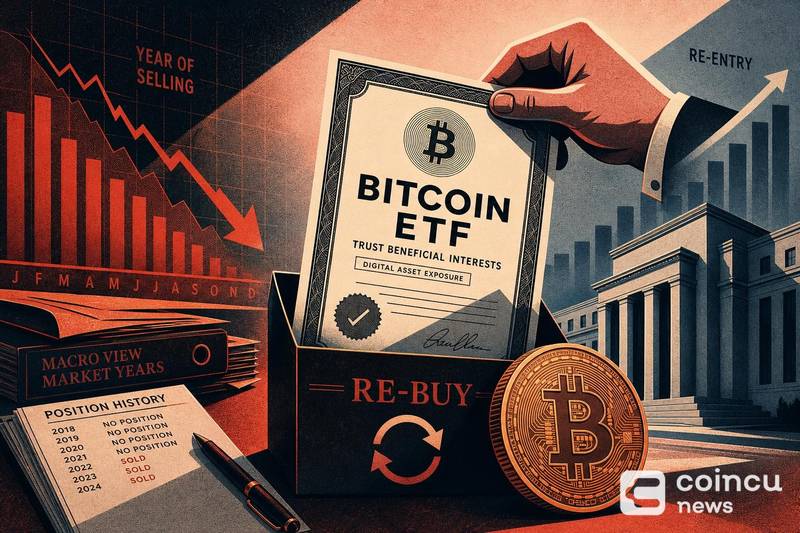
The renewed stake in BlackRock’s Bitcoin ETF marks a directional change for Tudor Investment Corp., the fund founded by macro trader Paul Tudor Jones. The move is documented across the firm’s quarterly holdings disclosures on Tudor Investment Corp.’s 13F filing history. For related coverage, see Bitcoin Forks in 2026: Can BTC Holders Get New Assets 1:1?.
This is a return rather than a first-time entry. The firm had previously held and then wound down its exposure to the BlackRock vehicle before rebuilding the position, as reflected in its quarterly 13F filing on SEC EDGAR. The pattern echoes an earlier report that Tudor’s firm had been actively adjusting its BlackRock Bitcoin ETF stake.
Why the Return Matters After a Year of Selling
The clearest news hook here is the reversal itself. After roughly a year of trimming, a fresh purchase signals a change in stance on regulated Bitcoin exposure, visible in the firm’s most recent SEC filing index. For related coverage, see Bitcoin Eyes New August Lows as Binance Longs Face Cleanout.
A reversal after sustained selling stands out because it interrupts an established direction. The filings show the change in position; they do not state the firm’s reasoning, and no motive should be inferred beyond what the disclosures record.
For readers tracking institutional flows, the contrast between the prior selling period and the new buy is the substance of the story. It is a positioning update, not a statement of conviction or a price forecast.
What the Move Suggests About Institutional Sentiment
A well-known macro firm re-entering a Bitcoin ETF can influence how the market reads institutional demand. The exposure is expressed through a regulated, public-market product rather than direct spot Bitcoin holdings.
Institutional interest in ETF access has been a recurring theme, though the sector has also seen periods of pressure, including recent stretches when Bitcoin slipped alongside ETF drawdowns. One firm’s decision is a single data point, not a verdict on the broader market.
That caution matters. A 13F snapshot captures holdings as of a filing date and can lag actual trading, so the disclosure describes a position, not a live directional call.
Why the BlackRock ETF Is the Vehicle Here
The named product is BlackRock’s Bitcoin ETF, not a direct spot allocation. ETF exposure gives an allocator Bitcoin price sensitivity through a familiar, brokerage-accessible wrapper, which is often why large institutions choose it over self-custody.
The distinction is meaningful because ETF holdings carry custody, reporting, and structural differences from holding Bitcoin directly, a gap underscored by episodes like a recent self-custody incident that raised ETF questions. The BlackRock brand also carries weight in a headline because of the manager’s scale in the ETF market.
FAQ
What does buying back into a Bitcoin ETF mean? It means the firm re-established a position in the ETF after previously reducing or exiting it, as shown in its 13F disclosures. The exposure tracks Bitcoin’s price through a regulated fund rather than direct coin ownership.
Why is the year of selling relevant? The prior selling sets up the contrast: a renewed purchase reverses that trend, which is what makes the filing newsworthy.
Does this confirm a broader institutional Bitcoin trend? No. It is one firm’s disclosed position and should be read as a signal to watch, not confirmation of a market-wide shift.
Disclaimer: This article is for informational purposes only and does not constitute financial or investment advice. Cryptocurrency and digital asset markets carry significant risk. Always do your own research before making decisions.
No tags available.


Other Posts








- China, US Conclude Trade Talks with Focus on Cooperation
- Court Upholds Fed’s Rejection of Custodia Bank’s Request
- Crypto Weekly: NYSE Backs OKX, Kraken Gets Fed Access, BTC Sells
- Former CFO Convicted for $35M Fraudulent Crypto Investment
- DeriW Launches Edge Hour Trading Competition Platform for Derivatives Traders
- Michael Saylor Denies Bitcoin Sell-Off Amid Large BTC Transfer
- Buy Dogecoin on eToro: Step-by-Step Guide for Beginners (2024)
- Kazakhstan Explores Crypto Reserves Backed by National Funds
- JPMorgan Increases Holdings in BlackRock’s Bitcoin ETF
- Nordea Bank Introduces Bitcoin ETP Trading for Nordic Customers
- XRP Spot ETF Launches on Nasdaq Amid Market Fluctuations
- Peter Schiff Challenges Michael Saylor on MSTR’s Business Model
- Thailand Orders Worldcoin to Delete 1.2 Million Biometric Records
- UK Proposes New DeFi Tax Framework to Ease User Burden
- WLFI Under Fire: Analyst Warns Hyperliquid Could Be Next
- Ancient Ethereum Whale Moves $1.19 Billion After Decade
- BlackRock Receives Large Crypto Transfers from Coinbase
- SEC Scrutiny on ALT5 Sigma’s Leadership Disclosure Timing
- Yala Injects $5.5 Million Amid Recovery Efforts
- Radiant Capital Faces $50M Loss in Major Security Breach
- China, US Conclude Trade Talks with Focus on Cooperation
- Court Upholds Fed’s Rejection of Custodia Bank’s Request
- Crypto Weekly: NYSE Backs OKX, Kraken Gets Fed Access, BTC Sells
- Former CFO Convicted for $35M Fraudulent Crypto Investment
- DeriW Launches Edge Hour Trading Competition Platform for Derivatives Traders
- Michael Saylor Denies Bitcoin Sell-Off Amid Large BTC Transfer
- Buy Dogecoin on eToro: Step-by-Step Guide for Beginners (2024)
- Kazakhstan Explores Crypto Reserves Backed by National Funds
- JPMorgan Increases Holdings in BlackRock’s Bitcoin ETF
- Nordea Bank Introduces Bitcoin ETP Trading for Nordic Customers
- XRP Spot ETF Launches on Nasdaq Amid Market Fluctuations
- Peter Schiff Challenges Michael Saylor on MSTR’s Business Model
- Thailand Orders Worldcoin to Delete 1.2 Million Biometric Records
- UK Proposes New DeFi Tax Framework to Ease User Burden
- WLFI Under Fire: Analyst Warns Hyperliquid Could Be Next
- Ancient Ethereum Whale Moves $1.19 Billion After Decade
- BlackRock Receives Large Crypto Transfers from Coinbase
- SEC Scrutiny on ALT5 Sigma’s Leadership Disclosure Timing
- Yala Injects $5.5 Million Amid Recovery Efforts
- Radiant Capital Faces $50M Loss in Major Security Breach
- China, US Conclude Trade Talks with Focus on Cooperation
- Court Upholds Fed’s Rejection of Custodia Bank’s Request
- Crypto Weekly: NYSE Backs OKX, Kraken Gets Fed Access, BTC Sells
- Former CFO Convicted for $35M Fraudulent Crypto Investment
- DeriW Launches Edge Hour Trading Competition Platform for Derivatives Traders
- Michael Saylor Denies Bitcoin Sell-Off Amid Large BTC Transfer
- Buy Dogecoin on eToro: Step-by-Step Guide for Beginners (2024)
- Kazakhstan Explores Crypto Reserves Backed by National Funds
- JPMorgan Increases Holdings in BlackRock’s Bitcoin ETF
- Nordea Bank Introduces Bitcoin ETP Trading for Nordic Customers
- XRP Spot ETF Launches on Nasdaq Amid Market Fluctuations
- Peter Schiff Challenges Michael Saylor on MSTR’s Business Model
- Thailand Orders Worldcoin to Delete 1.2 Million Biometric Records
- UK Proposes New DeFi Tax Framework to Ease User Burden
- WLFI Under Fire: Analyst Warns Hyperliquid Could Be Next
- Ancient Ethereum Whale Moves $1.19 Billion After Decade
- BlackRock Receives Large Crypto Transfers from Coinbase
- SEC Scrutiny on ALT5 Sigma’s Leadership Disclosure Timing
- Yala Injects $5.5 Million Amid Recovery Efforts
- Radiant Capital Faces $50M Loss in Major Security Breach

Paul Tudor Jones’ Firm Rebuys BlackRock Bitcoin ETF After Year of Selling

Binance Handed User Data to Russia in Case Tied to Ukrainian Donor Arrest


BiggerZ: Building a Fairness-First Crypto Casino, Sportsbook and Prediction Markets Platform
Bitmine Immersion Technologies Announces Record and Payment Dates for Cash Dividends on 9.50% Series A Perpetual Preferred Stock