Bitcoin faces a significant liquidation risk zone near $62,564, where data indicates that cumulative long liquidation intensity across mainstream centralized exchanges would reach $1.469 billion if the price breaks below that level.
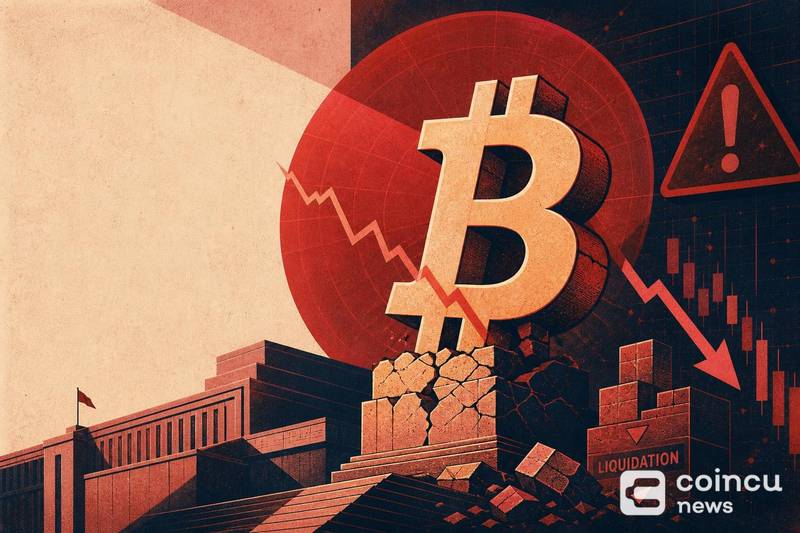
The figure, drawn from Coinglass liquidation heatmap data, highlights a dense cluster of leveraged long positions that would be forcibly closed in the event of a downside break. The threshold applies specifically to major centralized exchanges where the bulk of speculative futures positioning is concentrated.
A similar data point was previously flagged by Weex, which reported cumulative long liquidation intensity of $1.469 billion at a nearby BTC price level, reinforcing the significance of this zone as a leverage fault line.
What Long Liquidation Intensity Means for Traders
Long liquidation intensity measures the estimated dollar value of leveraged bullish positions that would be automatically closed by exchanges as BTC moves below specific price levels. When a trader opens a leveraged long and Bitcoin drops past their liquidation price, the exchange sells the position to limit losses.
The cumulative nature of the $1.469 billion figure means it represents the total across all major CEX platforms, not a single exchange. This clustering of liquidation levels around $62,564 suggests that a large number of traders opened long positions with similar leverage ratios and entry points.
Cascading liquidations can deepen a selloff. When forced selling from liquidated longs pushes the price further down, it triggers additional liquidations at lower levels, creating a feedback loop that amplifies short-term volatility. This dynamic has historically preceded some of the sharpest intraday moves in Bitcoin, including incidents where forced liquidations spilled across DeFi lending protocols as well.
Why $1.469 Billion in Liquidations Would Matter for Sentiment
A liquidation event of this magnitude would signal that bullish positioning had become overheated relative to the price action supporting it. Forced unwinds of this size tend to shift short-term sentiment sharply, as traders interpret the flush as a sign that the market lacked sufficient spot demand to hold leveraged longs.
The resulting volatility spike can also trigger risk-off behavior among traders who were not directly liquidated but choose to reduce exposure in response to the sudden price movement. This secondary wave of selling often extends the move beyond what the initial liquidations alone would produce.
That said, large liquidation events do not always define the longer-term trend. Bitcoin has historically recovered from leverage flushes when underlying spot demand and broader market conditions remained supportive. The distinction lies in whether the deleveraging clears out excessive speculation or reflects a genuine shift in directional conviction.
Key Levels to Monitor Around $62,564
For traders watching this zone, the immediate price reaction around $62,564 matters more than the level itself. A brief wick below followed by a quick recovery would suggest the liquidation cluster was absorbed without triggering a sustained breakdown. A decisive close below with rising volume would indicate follow-through selling pressure.
Exchange-driven volatility tends to spike during forced deleveraging events, making the hours immediately following a break of this level the most informative. Monitoring open interest changes across major CEX platforms can help distinguish between a leverage flush and a broader directional move.
Large wallet movements around key price levels can also provide context. Recent high-profile BTC transfers, such as 4,000 BTC worth $262 million moving to PayPal-related addresses, illustrate the scale of institutional-grade flows that can influence price behavior near liquidation clusters. Similarly, corporate treasury moves like Nakamoto Inc. selling 600 BTC to cover debt obligations demonstrate how supply-side pressure can compound liquidation risk.
The focus for risk management should remain on position sizing and leverage discipline rather than attempting to predict whether $62,564 will hold or break.
FAQ
What is long liquidation intensity in crypto?
Long liquidation intensity is the estimated total value of leveraged bullish positions that would be forcibly closed by exchanges if the price drops to a specific level. It reflects how much speculative long exposure is clustered at a given price point.
Why is $62,564 important for BTC?
Coinglass data identifies $62,564 as the price level where cumulative long liquidation intensity across major centralized exchanges reaches $1.469 billion, making it a significant threshold for leveraged positioning.
Does $1.469 billion in liquidations mean Bitcoin will keep falling?
Not necessarily. Large liquidation events clear out overleveraged positions, which can actually reduce selling pressure once the flush completes. Whether BTC continues lower depends on spot market demand and broader conditions, not the liquidation event alone.
Disclaimer: This article is for informational purposes only and does not constitute financial or investment advice. Cryptocurrency and digital asset markets carry significant risk. Always do your own research before making decisions.
No tags available.


Other Posts








- China, US Conclude Trade Talks with Focus on Cooperation
- Crypto Weekly: NYSE Backs OKX, Kraken Gets Fed Access, BTC Sells
- Court Upholds Fed’s Rejection of Custodia Bank’s Request
- Former CFO Convicted for $35M Fraudulent Crypto Investment
- DeriW Launches Edge Hour Trading Competition Platform for Derivatives Traders
- Michael Saylor Denies Bitcoin Sell-Off Amid Large BTC Transfer
- Buy Dogecoin on eToro: Step-by-Step Guide for Beginners (2024)
- Kazakhstan Explores Crypto Reserves Backed by National Funds
- JPMorgan Increases Holdings in BlackRock’s Bitcoin ETF
- Nordea Bank Introduces Bitcoin ETP Trading for Nordic Customers
- XRP Spot ETF Launches on Nasdaq Amid Market Fluctuations
- Peter Schiff Challenges Michael Saylor on MSTR’s Business Model
- Thailand Orders Worldcoin to Delete 1.2 Million Biometric Records
- UK Proposes New DeFi Tax Framework to Ease User Burden
- WLFI Under Fire: Analyst Warns Hyperliquid Could Be Next
- Ancient Ethereum Whale Moves $1.19 Billion After Decade
- BlackRock Receives Large Crypto Transfers from Coinbase
- SEC Scrutiny on ALT5 Sigma’s Leadership Disclosure Timing
- Yala Injects $5.5 Million Amid Recovery Efforts
- Radiant Capital Faces $50M Loss in Major Security Breach
- China, US Conclude Trade Talks with Focus on Cooperation
- Crypto Weekly: NYSE Backs OKX, Kraken Gets Fed Access, BTC Sells
- Court Upholds Fed’s Rejection of Custodia Bank’s Request
- Former CFO Convicted for $35M Fraudulent Crypto Investment
- DeriW Launches Edge Hour Trading Competition Platform for Derivatives Traders
- Michael Saylor Denies Bitcoin Sell-Off Amid Large BTC Transfer
- Buy Dogecoin on eToro: Step-by-Step Guide for Beginners (2024)
- Kazakhstan Explores Crypto Reserves Backed by National Funds
- JPMorgan Increases Holdings in BlackRock’s Bitcoin ETF
- Nordea Bank Introduces Bitcoin ETP Trading for Nordic Customers
- XRP Spot ETF Launches on Nasdaq Amid Market Fluctuations
- Peter Schiff Challenges Michael Saylor on MSTR’s Business Model
- Thailand Orders Worldcoin to Delete 1.2 Million Biometric Records
- UK Proposes New DeFi Tax Framework to Ease User Burden
- WLFI Under Fire: Analyst Warns Hyperliquid Could Be Next
- Ancient Ethereum Whale Moves $1.19 Billion After Decade
- BlackRock Receives Large Crypto Transfers from Coinbase
- SEC Scrutiny on ALT5 Sigma’s Leadership Disclosure Timing
- Yala Injects $5.5 Million Amid Recovery Efforts
- Radiant Capital Faces $50M Loss in Major Security Breach
- China, US Conclude Trade Talks with Focus on Cooperation
- Crypto Weekly: NYSE Backs OKX, Kraken Gets Fed Access, BTC Sells
- Court Upholds Fed’s Rejection of Custodia Bank’s Request
- Former CFO Convicted for $35M Fraudulent Crypto Investment
- DeriW Launches Edge Hour Trading Competition Platform for Derivatives Traders
- Michael Saylor Denies Bitcoin Sell-Off Amid Large BTC Transfer
- Buy Dogecoin on eToro: Step-by-Step Guide for Beginners (2024)
- Kazakhstan Explores Crypto Reserves Backed by National Funds
- JPMorgan Increases Holdings in BlackRock’s Bitcoin ETF
- Nordea Bank Introduces Bitcoin ETP Trading for Nordic Customers
- XRP Spot ETF Launches on Nasdaq Amid Market Fluctuations
- Peter Schiff Challenges Michael Saylor on MSTR’s Business Model
- Thailand Orders Worldcoin to Delete 1.2 Million Biometric Records
- UK Proposes New DeFi Tax Framework to Ease User Burden
- WLFI Under Fire: Analyst Warns Hyperliquid Could Be Next
- Ancient Ethereum Whale Moves $1.19 Billion After Decade
- BlackRock Receives Large Crypto Transfers from Coinbase
- SEC Scrutiny on ALT5 Sigma’s Leadership Disclosure Timing
- Yala Injects $5.5 Million Amid Recovery Efforts
- Radiant Capital Faces $50M Loss in Major Security Breach


Sberbank Plans Crypto Trading Infrastructure Launch by December 1


RISEx Launches ‘Ignite’ Season 1 Points Program, Following $3B in Volume During the Early Access Phase

Zoomex X Space Recap With Fernando Llorente and the World Cup Final Panel