Grayscale transferred 3,004 ETH to Coinbase, a move tracked through on-chain data that has drawn attention from Ethereum market participants monitoring institutional wallet activity for signals of potential selling pressure.
What the On-Chain Data Shows
The transfer of 3,004 ETH moved from a Grayscale-linked wallet to Coinbase. The transaction is visible on Etherscan, where the sending address has been associated with Grayscale’s operations.
ON-CHAIN DATA
- Amount: 3,004 ETH
- From: Grayscale-linked address (0xeb3d…52dd)
- To: Coinbase
Grayscale wallets are tracked by multiple blockchain analytics platforms, including Arkham Intelligence, which labels and monitors entity-linked addresses across Ethereum.
The transfer does not confirm a sale. Moving tokens to an exchange can reflect custody changes, portfolio rebalancing, or preparation for over-the-counter transactions, not only open-market selling.
Why Exchange-Bound Transfers Draw Attention
When a large institutional holder sends tokens to an exchange, traders interpret it as a possible precursor to liquidation. Coinbase, as one of the largest regulated crypto exchanges in the United States, is a common destination for institutional-grade transactions.
However, a transfer to Coinbase does not automatically mean the ETH will be sold on the open market. Coinbase also serves as a custodian for several institutional products, meaning the movement could be an internal custody shift rather than a sell order. Traders who have watched similar patterns in other digital assets, such as those involved in large institutional crypto deals, understand that exchange inflows require context before drawing conclusions.
The distinction matters because misreading a custody transfer as a market dump can trigger unnecessary panic selling among retail participants.
What Ethereum Traders Are Watching
The 3,004 ETH transfer puts Grayscale’s remaining Ethereum holdings under closer scrutiny. Traders familiar with Grayscale’s Bitcoin trust outflows in previous cycles know that sustained exchange transfers from the fund manager can signal a broader pattern, while isolated movements often turn out to be routine.
Several interpretations are plausible. The transfer could represent rebalancing across Grayscale’s product suite, a custody migration between wallets, or preparation for a partial position exit. Without follow-up transactions confirming a sale, none of these explanations can be treated as definitive.
Ethereum watchers are also monitoring whether additional transfers follow in the coming days. A single move is data; a series of moves is a trend. The same principle applies to exchange-related events across the broader market, including incidents like the recent Aftermath Finance exploit that highlighted how quickly on-chain flows can shift market sentiment.
Grayscale, Coinbase, and ETH Flow Tracking
Grayscale is one of the most closely watched institutional crypto holders. Its Ethereum-related products hold significant amounts of ETH, and wallet movements from Grayscale-labeled addresses on Etherscan are tracked in real time by on-chain analysts.
Coinbase plays a dual role as both a retail exchange and an institutional custodian. This dual function means that ETH arriving at Coinbase could be headed for the order book or simply moving between custodial accounts. Exchange leverage products, such as those recently launched on Binance, can amplify the market impact of perceived institutional selling, making accurate interpretation of on-chain data especially important.
On-chain flow tracking has become a standard tool for crypto market participants. Platforms that label known institutional wallets allow traders to see large movements before any official announcements, creating an information layer that did not exist in traditional finance.
FAQ
Does the transfer confirm that Grayscale sold 3,004 ETH?
No. A transfer to an exchange is not a confirmed sale. The ETH could be moved for custody purposes, rebalancing, or other operational reasons. Only subsequent on-chain activity showing a sell transaction would confirm a liquidation.
Why does a Coinbase transfer specifically matter?
Coinbase is one of the largest regulated exchanges in the U.S. and also serves as a custodian for institutional products. A transfer to Coinbase could indicate either a potential sale or an internal custody operation.
What should Ethereum traders watch after this move?
Follow-up transfers from the same Grayscale-linked wallet would be the most relevant signal. A single transfer is inconclusive, but repeated outflows to exchanges over a short period could indicate a broader positioning change.
Disclaimer: This article is for informational purposes only and does not constitute financial or investment advice. Cryptocurrency and digital asset markets carry significant risk. Always do your own research before making decisions.
No tags available.


Other Posts








- Amplify 2024: Ohio’s Premier Blockchain Summit
- Polymarket Announces U.S. Beta Relaunch Amid Market Buzz
- China, US Conclude Trade Talks with Focus on Cooperation
- Crypto Weekly: NYSE Backs OKX, Kraken Gets Fed Access, BTC Sells
- CELO holds as Celo reviews Opera 160M token claim
- DeriW Launches Edge Hour Trading Competition Platform for Derivatives Traders
- Michael Saylor Denies Bitcoin Sell-Off Amid Large BTC Transfer
- Court Upholds Fed’s Rejection of Custodia Bank’s Request
- EU Opens Antitrust Probe Into Deutsche Boerse and Nasdaq Derivatives Dealings
- Kazakhstan Explores Crypto Reserves Backed by National Funds
- JPMorgan Increases Holdings in BlackRock’s Bitcoin ETF
- Nordea Bank Introduces Bitcoin ETP Trading for Nordic Customers
- XRP Spot ETF Launches on Nasdaq Amid Market Fluctuations
- JPMorgan Chase Launches 24/7 Digital Deposit Token for Clients
- Crypto Leaders Address Macro Volatility Amid Market Shifts
- Former CFO Convicted for $35M Fraudulent Crypto Investment
- Peter Schiff Challenges Michael Saylor on MSTR’s Business Model
- Thailand Orders Worldcoin to Delete 1.2 Million Biometric Records
- UK Proposes New DeFi Tax Framework to Ease User Burden
- U.S. Treasury Proposes New Tax Relief Regulations
- Amplify 2024: Ohio’s Premier Blockchain Summit
- Polymarket Announces U.S. Beta Relaunch Amid Market Buzz
- China, US Conclude Trade Talks with Focus on Cooperation
- Crypto Weekly: NYSE Backs OKX, Kraken Gets Fed Access, BTC Sells
- CELO holds as Celo reviews Opera 160M token claim
- DeriW Launches Edge Hour Trading Competition Platform for Derivatives Traders
- Michael Saylor Denies Bitcoin Sell-Off Amid Large BTC Transfer
- Court Upholds Fed’s Rejection of Custodia Bank’s Request
- EU Opens Antitrust Probe Into Deutsche Boerse and Nasdaq Derivatives Dealings
- Kazakhstan Explores Crypto Reserves Backed by National Funds
- JPMorgan Increases Holdings in BlackRock’s Bitcoin ETF
- Nordea Bank Introduces Bitcoin ETP Trading for Nordic Customers
- XRP Spot ETF Launches on Nasdaq Amid Market Fluctuations
- JPMorgan Chase Launches 24/7 Digital Deposit Token for Clients
- Crypto Leaders Address Macro Volatility Amid Market Shifts
- Former CFO Convicted for $35M Fraudulent Crypto Investment
- Peter Schiff Challenges Michael Saylor on MSTR’s Business Model
- Thailand Orders Worldcoin to Delete 1.2 Million Biometric Records
- UK Proposes New DeFi Tax Framework to Ease User Burden
- U.S. Treasury Proposes New Tax Relief Regulations
- Amplify 2024: Ohio’s Premier Blockchain Summit
- Polymarket Announces U.S. Beta Relaunch Amid Market Buzz
- China, US Conclude Trade Talks with Focus on Cooperation
- Crypto Weekly: NYSE Backs OKX, Kraken Gets Fed Access, BTC Sells
- CELO holds as Celo reviews Opera 160M token claim
- DeriW Launches Edge Hour Trading Competition Platform for Derivatives Traders
- Michael Saylor Denies Bitcoin Sell-Off Amid Large BTC Transfer
- Court Upholds Fed’s Rejection of Custodia Bank’s Request
- EU Opens Antitrust Probe Into Deutsche Boerse and Nasdaq Derivatives Dealings
- Kazakhstan Explores Crypto Reserves Backed by National Funds
- JPMorgan Increases Holdings in BlackRock’s Bitcoin ETF
- Nordea Bank Introduces Bitcoin ETP Trading for Nordic Customers
- XRP Spot ETF Launches on Nasdaq Amid Market Fluctuations
- JPMorgan Chase Launches 24/7 Digital Deposit Token for Clients
- Crypto Leaders Address Macro Volatility Amid Market Shifts
- Former CFO Convicted for $35M Fraudulent Crypto Investment
- Peter Schiff Challenges Michael Saylor on MSTR’s Business Model
- Thailand Orders Worldcoin to Delete 1.2 Million Biometric Records
- UK Proposes New DeFi Tax Framework to Ease User Burden
- U.S. Treasury Proposes New Tax Relief Regulations
Latest

Binance Records $924 Million in Net USDT Outflows Over 24 Hours

Coinbase, Kraken, Gemini Push Senate to End Token Listing Limits

Aave Pro Launches Address Monitoring to Track Any Wallet Without Connecting
Press Release
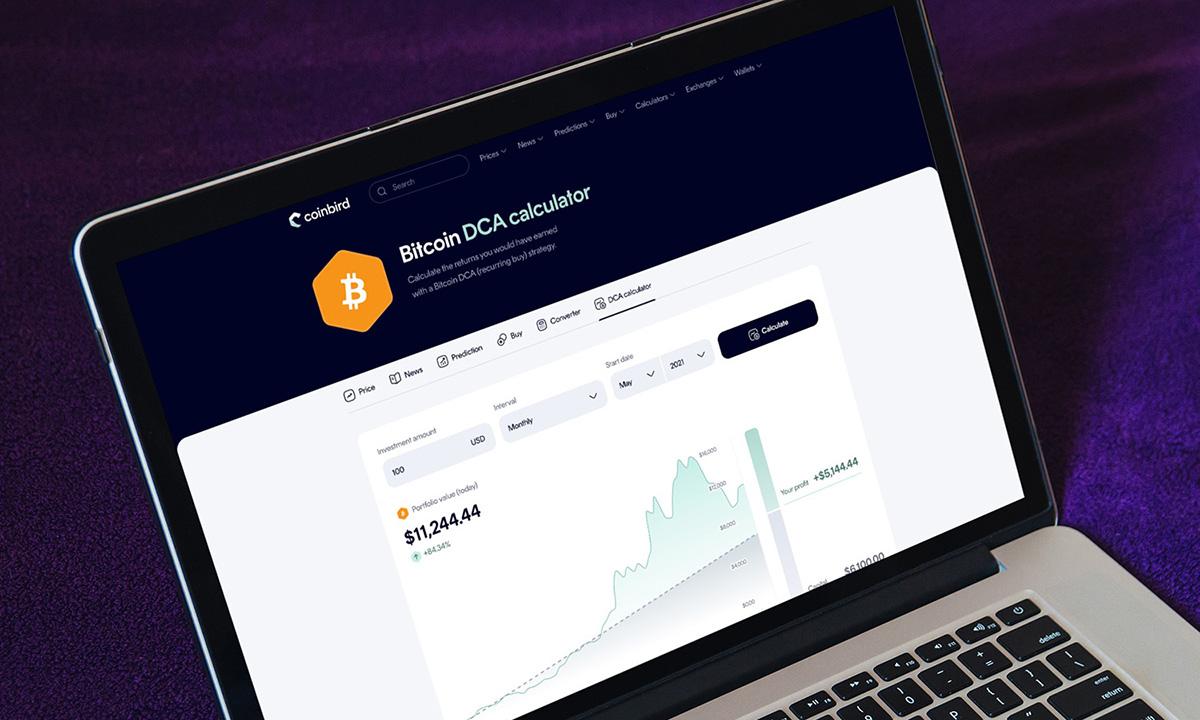
$100/Month in Bitcoin Since 2015 Would Have Turned $13,700 Into $632,000, Coinbird Analysis Shows
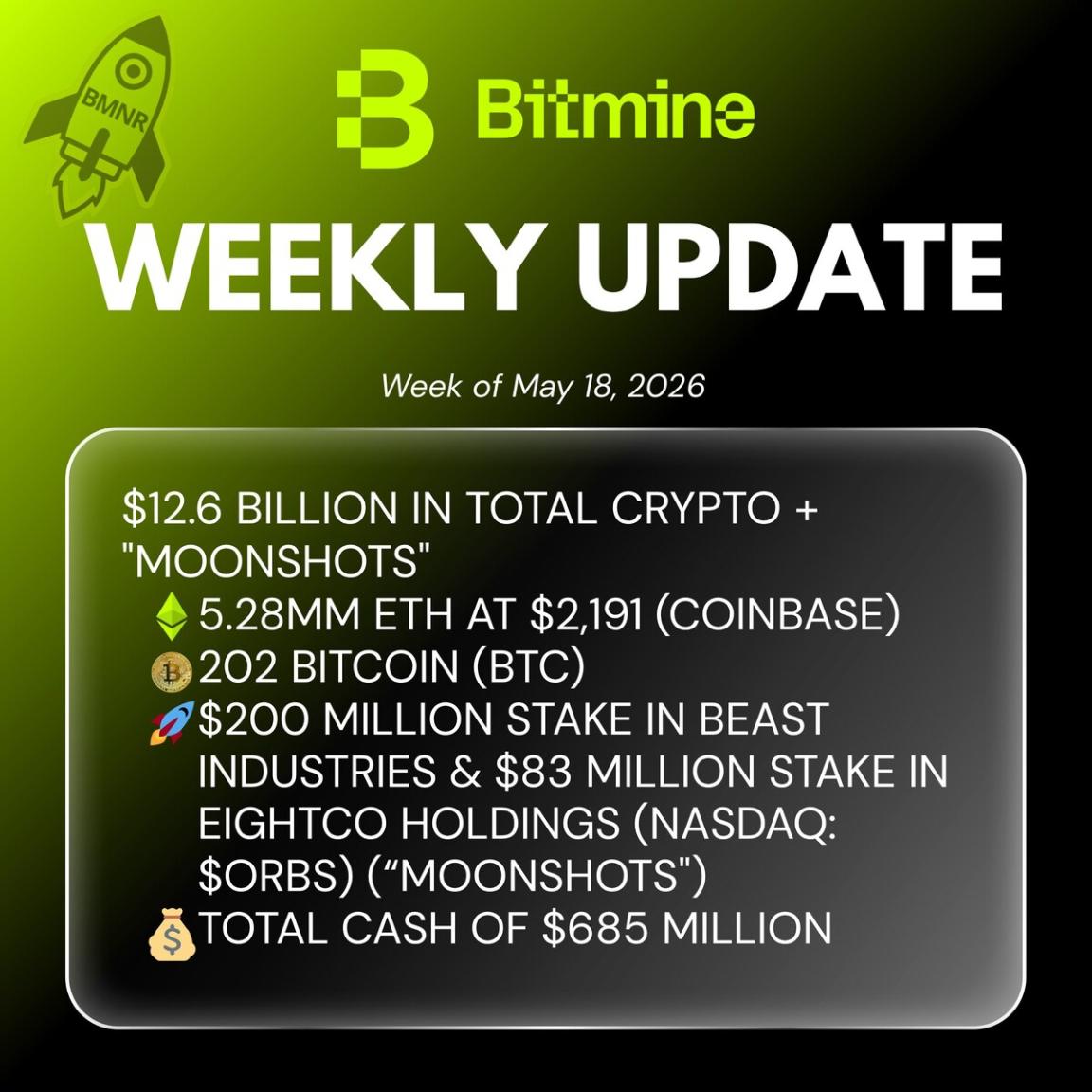
Bitmine Immersion Technologies (BMNR) Announces ETH Holdings Reach 5.28 Million Tokens, and Total Crypto and Total Cash Holdings of $12.6 Billion