Solana RWA total value has reached a record $3.62 billion, marking a significant milestone for the network’s push into tokenized real-world assets and signaling growing institutional confidence in the blockchain as infrastructure for traditional finance.
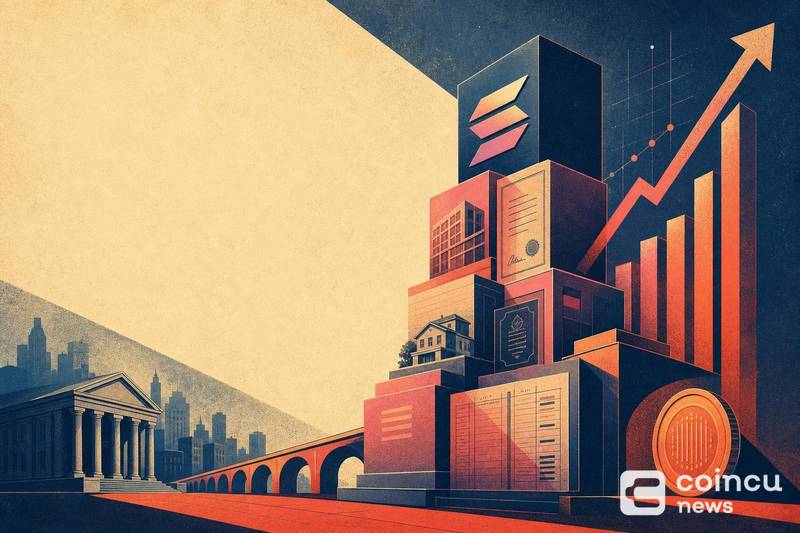
Solana RWA Total Value Hits a New High
Real-world assets, commonly referred to as RWAs, are tokenized representations of traditional financial instruments such as Treasury bills, bonds, private credit, and commodities on a blockchain. The category has emerged as one of the fastest-growing sectors in decentralized finance. For related coverage, see Best Crypto to Buy Now: BlockDAG, Hyperliquid, Solana, Ripple, and Avalanche Leading Market Conversations.
Solana’s RWA total value climbing to $3.62 billion represents the highest figure the network has recorded for this asset class. The milestone places Solana among the blockchains attracting meaningful capital from asset issuers looking to bring off-chain value on-chain. For related coverage, see ANSEM Surpasses $92M Market Cap Amid Sharp One-Day Rally on Solana.
For a network historically associated with high-speed trading and memecoin activity, the record suggests a broadening of use cases. Solana’s tokenized stock daily volume recently hit a record $553 million, pointing to a pattern of growing demand for real-world financial products on the chain. For related coverage, see Liquidity Staking TVL Falls to Two-Year Low as Q2 Total Drops to $33.4B.
What Is Driving RWA Growth on Solana
Solana’s architecture offers sub-second finality and transaction costs that remain fractions of a cent. For asset issuers tokenizing instruments that require frequent settlement or high-volume transfers, these properties reduce operational friction compared to chains with higher gas fees.
Builder and institutional interest in Solana-based tokenization has grown alongside the network’s broader ecosystem expansion. Solana’s total value locked reflects sustained developer and capital activity across DeFi protocols, providing liquidity infrastructure that RWA products can tap into.
It is important to distinguish between infrastructure advantages and confirmed capital deployment. Network speed alone does not guarantee RWA adoption; issuer partnerships, regulatory clarity, and custodial frameworks all play roles in whether tokenized assets gain traction on any given chain.
Why the $3.62 Billion Milestone Matters for the Solana Ecosystem
A growing RWA presence could diversify the types of capital flowing into Solana. Unlike speculative trading volume, which can be volatile, tokenized Treasuries and credit products tend to attract longer-duration capital from institutional allocators.
This shift matters for developer incentives as well. A network with meaningful RWA infrastructure is more likely to attract compliance-focused tooling, institutional-grade wallets, and regulated on-ramp providers. Analysts have noted that tokenized stock interest could benefit Solana as the ecosystem matures beyond retail-driven activity.
Regulatory risk remains a consideration. Tokenized securities and credit products fall under existing financial regulations in most jurisdictions, and the frameworks governing on-chain issuance are still evolving. Any enforcement action or rule change affecting tokenized assets broadly could affect Solana-based RWA products.
How Solana’s RWA Momentum Compares With Broader Tokenization Trends
The broader tokenization narrative has accelerated across multiple blockchains, with major asset managers and financial institutions exploring on-chain issuance of funds, bonds, and credit products. Solana’s record positions it as a competitive venue within this landscape.
Broader DeFi conditions provide context for evaluating this growth. Recent data shows that liquidity staking TVL fell to a two-year low in Q2, suggesting that capital may be rotating from yield-based staking products into tokenized real-world instruments.
Readers tracking this space should watch for confirmation of sustained growth rather than a single snapshot. Key indicators include the number of distinct issuers deploying on Solana, the diversity of asset types being tokenized, and whether secondary market liquidity for these products develops meaningfully.
The Solana market continues to attract attention from both retail and institutional participants, and the intersection of high-throughput infrastructure with real-world asset demand represents a structural theme rather than a one-time event.
FAQ About Solana RWA Growth
What does RWA mean in crypto?
RWA stands for real-world assets. In a crypto context, it refers to traditional financial instruments, such as government bonds, private credit, real estate, or commodities, that have been tokenized and represented on a blockchain. This allows them to be traded, settled, and held using on-chain infrastructure.
Why is $3.62 billion significant for Solana?
The figure represents the highest recorded total value of tokenized real-world assets on the Solana network. It signals that institutional and issuer interest in using Solana for RWA products is growing, moving the chain beyond its earlier reputation as primarily a venue for speculative trading.
What could affect Solana RWA growth going forward?
Several factors could influence the trajectory: regulatory developments around tokenized securities, the entry or exit of major asset issuers, competition from other blockchains pursuing similar RWA strategies, and the depth of secondary market liquidity for Solana-based tokenized products.
Disclaimer: This article is for informational purposes only and does not constitute financial or investment advice. Cryptocurrency and digital asset markets carry significant risk. Always do your own research before making decisions.
No tags available.


Other Posts







- China, US Conclude Trade Talks with Focus on Cooperation
- Crypto Weekly: NYSE Backs OKX, Kraken Gets Fed Access, BTC Sells
- Court Upholds Fed’s Rejection of Custodia Bank’s Request
- Former CFO Convicted for $35M Fraudulent Crypto Investment
- DeriW Launches Edge Hour Trading Competition Platform for Derivatives Traders
- Michael Saylor Denies Bitcoin Sell-Off Amid Large BTC Transfer
- Buy Dogecoin on eToro: Step-by-Step Guide for Beginners (2024)
- Kazakhstan Explores Crypto Reserves Backed by National Funds
- JPMorgan Increases Holdings in BlackRock’s Bitcoin ETF
- Nordea Bank Introduces Bitcoin ETP Trading for Nordic Customers
- XRP Spot ETF Launches on Nasdaq Amid Market Fluctuations
- Peter Schiff Challenges Michael Saylor on MSTR’s Business Model
- Thailand Orders Worldcoin to Delete 1.2 Million Biometric Records
- UK Proposes New DeFi Tax Framework to Ease User Burden
- WLFI Under Fire: Analyst Warns Hyperliquid Could Be Next
- Ancient Ethereum Whale Moves $1.19 Billion After Decade
- BlackRock Receives Large Crypto Transfers from Coinbase
- SEC Scrutiny on ALT5 Sigma’s Leadership Disclosure Timing
- Yala Injects $5.5 Million Amid Recovery Efforts
- Radiant Capital Faces $50M Loss in Major Security Breach
- China, US Conclude Trade Talks with Focus on Cooperation
- Crypto Weekly: NYSE Backs OKX, Kraken Gets Fed Access, BTC Sells
- Court Upholds Fed’s Rejection of Custodia Bank’s Request
- Former CFO Convicted for $35M Fraudulent Crypto Investment
- DeriW Launches Edge Hour Trading Competition Platform for Derivatives Traders
- Michael Saylor Denies Bitcoin Sell-Off Amid Large BTC Transfer
- Buy Dogecoin on eToro: Step-by-Step Guide for Beginners (2024)
- Kazakhstan Explores Crypto Reserves Backed by National Funds
- JPMorgan Increases Holdings in BlackRock’s Bitcoin ETF
- Nordea Bank Introduces Bitcoin ETP Trading for Nordic Customers
- XRP Spot ETF Launches on Nasdaq Amid Market Fluctuations
- Peter Schiff Challenges Michael Saylor on MSTR’s Business Model
- Thailand Orders Worldcoin to Delete 1.2 Million Biometric Records
- UK Proposes New DeFi Tax Framework to Ease User Burden
- WLFI Under Fire: Analyst Warns Hyperliquid Could Be Next
- Ancient Ethereum Whale Moves $1.19 Billion After Decade
- BlackRock Receives Large Crypto Transfers from Coinbase
- SEC Scrutiny on ALT5 Sigma’s Leadership Disclosure Timing
- Yala Injects $5.5 Million Amid Recovery Efforts
- Radiant Capital Faces $50M Loss in Major Security Breach
- China, US Conclude Trade Talks with Focus on Cooperation
- Crypto Weekly: NYSE Backs OKX, Kraken Gets Fed Access, BTC Sells
- Court Upholds Fed’s Rejection of Custodia Bank’s Request
- Former CFO Convicted for $35M Fraudulent Crypto Investment
- DeriW Launches Edge Hour Trading Competition Platform for Derivatives Traders
- Michael Saylor Denies Bitcoin Sell-Off Amid Large BTC Transfer
- Buy Dogecoin on eToro: Step-by-Step Guide for Beginners (2024)
- Kazakhstan Explores Crypto Reserves Backed by National Funds
- JPMorgan Increases Holdings in BlackRock’s Bitcoin ETF
- Nordea Bank Introduces Bitcoin ETP Trading for Nordic Customers
- XRP Spot ETF Launches on Nasdaq Amid Market Fluctuations
- Peter Schiff Challenges Michael Saylor on MSTR’s Business Model
- Thailand Orders Worldcoin to Delete 1.2 Million Biometric Records
- UK Proposes New DeFi Tax Framework to Ease User Burden
- WLFI Under Fire: Analyst Warns Hyperliquid Could Be Next
- Ancient Ethereum Whale Moves $1.19 Billion After Decade
- BlackRock Receives Large Crypto Transfers from Coinbase
- SEC Scrutiny on ALT5 Sigma’s Leadership Disclosure Timing
- Yala Injects $5.5 Million Amid Recovery Efforts
- Radiant Capital Faces $50M Loss in Major Security Breach


Fidelity Seeks Staking for Ethereum ETF to Pass Rewards to Investors

Goldman Sachs to Gain Bitcoin and Ether Income ETFs in Neos Deal
ForumPay Expands Payment Infrastructure with New Card and Bank Transfer Acceptance Solution

Newest Assets, Improved User Promotions & Much Greater Crypto Experience_ Xxkk Trade Exchange Reinforces Its Trade Environment