Backers of BTCPay Server have offered a Bitcoin bounty following a critical wallet exploit, marking one of the most closely watched security incidents to hit the open-source Bitcoin payment processor. The reward is aimed at recovering affected funds and gathering actionable intelligence on the BTCPay wallet exploit, with the response coordinated through the project’s security channels.
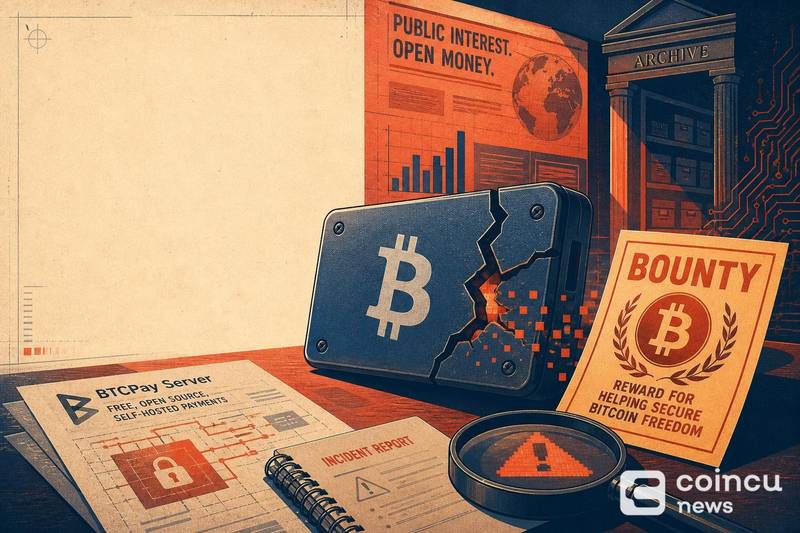
What Happened in the BTCPay Wallet Exploit
The incident centers on a critical vulnerability in BTCPay Server’s wallet handling, disclosed through the project’s official security advisory tied to the 2.4.2 release. The advisory frames the flaw as serious enough to warrant an urgent patch. For related coverage, see Strategy Bitcoin Sales: How Much BTC Has It Sold So Far?.
In response, supporters put forward a Bitcoin-denominated bounty, a move detailed in Decrypt’s reporting on the critical wallet exploit. Coincu has separately covered the offer in its report on how BTCPay Server supporters put a recovery bounty on the table.
Details on root cause remain limited. What is confirmed is the pairing of a disclosed vulnerability with a coordinated backer response, rather than a single company statement. For related coverage, see GoMining Launches GoBTC Pay to Bring Native Instant Payments to Bitcoin.
Why BTCPay Backers Are Offering a Bitcoin Bounty
The bounty is structured as a recovery and intelligence mechanism rather than a routine bug-bounty payout. Its focus, per the project’s incident response and next-steps post, is on remediation and orderly disclosure following the exploit.
The offer appears community and backer-led, consistent with BTCPay Server’s open-source, self-hosted model. That distinguishes it from a standard corporate bug-bounty program, where a single vendor sets terms and pays researchers directly.
What the Exploit Means for Users and Merchants
BTCPay Server is self-hosted, so exposure depends on how each operator runs the software. Merchants and holders relying on affected wallet flows are the group most directly implicated by the advisory.
The clearest user step is updating to the patched release referenced in the security advisory. Operators should monitor the project’s channels for follow-on guidance, as impact assessments can change while the investigation matures.
Users who cannot confirm whether their instance was affected should treat wallet checks and software updates as priority actions rather than optional maintenance.
How the Incident Fits Into Bitcoin Wallet Security Risks
Because BTCPay sits in the payment stack, a wallet-layer weakness can carry outsized downstream impact for the merchants and integrations that depend on it. That is why the response was pitched at recovery rather than disclosure alone.
The episode echoes other recent infrastructure incidents, including reports that an exploit drained Bitcoin Lightning payment servers and a Coldcard exploit report that pushed users to move funds. Transparent, timely communication after such events is itself a security lesson, and BTCPay’s next updates are expected through its blog.
FAQ About the BTCPay Wallet Exploit and Bitcoin Bounty
What is BTCPay Server? It is an open-source, self-hosted Bitcoin payment processor used by merchants to accept payments without a third-party custodian.
What was exploited? A critical wallet vulnerability addressed in the project’s own security communications. Full technical root-cause details have not been fully published.
Who offered the bounty? BTCPay Server backers and supporters, in a community-led response rather than a single corporate program.
Can stolen funds be recovered? Recovery is the bounty’s stated aim, but outcomes are not confirmed and remain under investigation.
What should users do? Apply the patched release, verify wallet status, and follow official BTCPay channels for updates.
Disclaimer: This article is for informational purposes only and does not constitute financial or investment advice. Cryptocurrency and digital asset markets carry significant risk. Always do your own research before making decisions.
No tags available.


Other Posts








- China, US Conclude Trade Talks with Focus on Cooperation
- Crypto Weekly: NYSE Backs OKX, Kraken Gets Fed Access, BTC Sells
- Court Upholds Fed’s Rejection of Custodia Bank’s Request
- Former CFO Convicted for $35M Fraudulent Crypto Investment
- DeriW Launches Edge Hour Trading Competition Platform for Derivatives Traders
- Michael Saylor Denies Bitcoin Sell-Off Amid Large BTC Transfer
- Buy Dogecoin on eToro: Step-by-Step Guide for Beginners (2024)
- Kazakhstan Explores Crypto Reserves Backed by National Funds
- JPMorgan Increases Holdings in BlackRock’s Bitcoin ETF
- Nordea Bank Introduces Bitcoin ETP Trading for Nordic Customers
- XRP Spot ETF Launches on Nasdaq Amid Market Fluctuations
- Peter Schiff Challenges Michael Saylor on MSTR’s Business Model
- Thailand Orders Worldcoin to Delete 1.2 Million Biometric Records
- UK Proposes New DeFi Tax Framework to Ease User Burden
- WLFI Under Fire: Analyst Warns Hyperliquid Could Be Next
- Ancient Ethereum Whale Moves $1.19 Billion After Decade
- BlackRock Receives Large Crypto Transfers from Coinbase
- SEC Scrutiny on ALT5 Sigma’s Leadership Disclosure Timing
- Yala Injects $5.5 Million Amid Recovery Efforts
- Radiant Capital Faces $50M Loss in Major Security Breach
- China, US Conclude Trade Talks with Focus on Cooperation
- Crypto Weekly: NYSE Backs OKX, Kraken Gets Fed Access, BTC Sells
- Court Upholds Fed’s Rejection of Custodia Bank’s Request
- Former CFO Convicted for $35M Fraudulent Crypto Investment
- DeriW Launches Edge Hour Trading Competition Platform for Derivatives Traders
- Michael Saylor Denies Bitcoin Sell-Off Amid Large BTC Transfer
- Buy Dogecoin on eToro: Step-by-Step Guide for Beginners (2024)
- Kazakhstan Explores Crypto Reserves Backed by National Funds
- JPMorgan Increases Holdings in BlackRock’s Bitcoin ETF
- Nordea Bank Introduces Bitcoin ETP Trading for Nordic Customers
- XRP Spot ETF Launches on Nasdaq Amid Market Fluctuations
- Peter Schiff Challenges Michael Saylor on MSTR’s Business Model
- Thailand Orders Worldcoin to Delete 1.2 Million Biometric Records
- UK Proposes New DeFi Tax Framework to Ease User Burden
- WLFI Under Fire: Analyst Warns Hyperliquid Could Be Next
- Ancient Ethereum Whale Moves $1.19 Billion After Decade
- BlackRock Receives Large Crypto Transfers from Coinbase
- SEC Scrutiny on ALT5 Sigma’s Leadership Disclosure Timing
- Yala Injects $5.5 Million Amid Recovery Efforts
- Radiant Capital Faces $50M Loss in Major Security Breach
- China, US Conclude Trade Talks with Focus on Cooperation
- Crypto Weekly: NYSE Backs OKX, Kraken Gets Fed Access, BTC Sells
- Court Upholds Fed’s Rejection of Custodia Bank’s Request
- Former CFO Convicted for $35M Fraudulent Crypto Investment
- DeriW Launches Edge Hour Trading Competition Platform for Derivatives Traders
- Michael Saylor Denies Bitcoin Sell-Off Amid Large BTC Transfer
- Buy Dogecoin on eToro: Step-by-Step Guide for Beginners (2024)
- Kazakhstan Explores Crypto Reserves Backed by National Funds
- JPMorgan Increases Holdings in BlackRock’s Bitcoin ETF
- Nordea Bank Introduces Bitcoin ETP Trading for Nordic Customers
- XRP Spot ETF Launches on Nasdaq Amid Market Fluctuations
- Peter Schiff Challenges Michael Saylor on MSTR’s Business Model
- Thailand Orders Worldcoin to Delete 1.2 Million Biometric Records
- UK Proposes New DeFi Tax Framework to Ease User Burden
- WLFI Under Fire: Analyst Warns Hyperliquid Could Be Next
- Ancient Ethereum Whale Moves $1.19 Billion After Decade
- BlackRock Receives Large Crypto Transfers from Coinbase
- SEC Scrutiny on ALT5 Sigma’s Leadership Disclosure Timing
- Yala Injects $5.5 Million Amid Recovery Efforts
- Radiant Capital Faces $50M Loss in Major Security Breach


SEC Prepares Alternative to Securities Registration for Crypto Projects
ForumPay Expands Payment Infrastructure with New Card and Bank Transfer Acceptance Solution

Newest Assets, Improved User Promotions & Much Greater Crypto Experience_ Xxkk Trade Exchange Reinforces Its Trade Environment