STBL has launched a real-world asset initiative on the Stellar blockchain designed to provide backing for its USST stablecoin, marking a move that ties tokenized real-world assets directly to stablecoin infrastructure on a network built for fast, low-cost payments.
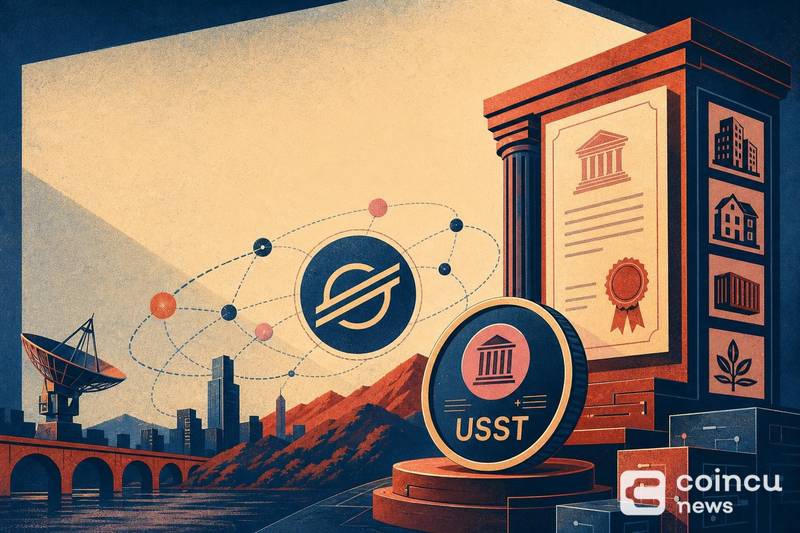
The launch positions STBL as a project connecting RWA tokenization with stablecoin utility. Real-world assets, in this context, refer to traditional financial instruments or tangible assets that are represented as tokens on a blockchain, providing collateral or yield backing for digital currencies like USST. For related coverage, see Robinhood Launches Robinhood Chain Layer 2 Mainnet.
According to a report from Bitcoin.com, STBL launched the USST stablecoin on Stellar as institutions pursue real-world asset liquidity. The RWA component is intended to support the stablecoin’s value proposition by linking it to off-chain asset backing. For related coverage, see Binance Alpha Starts STBL Trading, Airdrop Costs 15 Points on Sep 16.
The announcement scope is narrow: STBL launched on Stellar, the product is called USST, and RWA tokenization underpins the structure. Details beyond this framework remain limited at this stage. Binance Alpha previously listed STBL for trading, giving the token earlier exchange visibility.
Why Stellar is central to STBL’s stablecoin rollout
Stellar was purpose-built for payments and asset issuance. The network’s architecture prioritizes low transaction fees and fast settlement, qualities that matter for stablecoin operations where frequent transfers and redemptions are standard.
For RWA-backed stablecoins, chain selection affects settlement speed, compliance tooling, and institutional accessibility. Stellar has historically attracted projects in the payments and remittance space, and its built-in asset issuance features reduce the complexity of launching tokenized instruments compared to general-purpose smart contract platforms.
STBL’s decision to deploy on Stellar, as outlined on the project’s documentation portal, aligns with this infrastructure profile. The chain choice suggests a focus on payment-rail functionality rather than complex DeFi composability.
This approach parallels broader institutional interest in RWA tokenization. BlackRock’s recent BSTBL fund launch for stablecoin reserve management illustrates how traditional finance players are entering similar territory, connecting real-world assets with digital currency infrastructure.
What the launch could mean for USST adoption
If the RWA backing is structured transparently, USST could benefit from a credibility advantage over algorithmic or under-collateralized stablecoins. RWA-backed stablecoins appeal to institutional users who require verifiable reserves and regulatory clarity.
The launch may expand USST’s utility across Stellar’s existing ecosystem of payment applications and cross-border settlement channels. Stablecoins on Stellar can tap into the network’s anchor system, which connects on-chain tokens with off-chain banking infrastructure.
However, adoption depends on factors that remain unconfirmed: the specific assets backing USST, the redemption mechanism, third-party audit arrangements, and whether institutional partners have committed to using the token. Without these details, the practical impact on USST liquidity and usage remains speculative.
The broader RWA tokenization trend continues to expand across multiple sectors, from agribusiness to precious metals. Streamex’s launch of tokenized gold security GLDY is another recent example of how asset issuers are bringing traditional instruments on-chain.
Key risks and unanswered questions
The most significant gap in the current announcement is the absence of detailed reserve information. For any RWA-backed stablecoin, the composition, custody, and auditability of reserves are foundational to trust. STBL has not yet provided public attestation reports or named a third-party auditor based on available information.
Regulatory status is another open question. Stablecoin issuers face increasing scrutiny globally, and the jurisdiction under which STBL operates, the regulatory framework it follows, and its compliance posture with emerging stablecoin legislation all remain unclear from public sources.
Redemption mechanics, the process by which USST holders can exchange tokens for underlying value, have not been detailed in the available materials. This is a critical operational feature that distinguishes functional stablecoins from those that exist primarily on paper.
Readers should treat the launch as an early-stage announcement. The distinction between confirmed facts (STBL launched RWA-backed USST on Stellar) and unverified operational details (reserve composition, compliance status, institutional partnerships) is important when evaluating the project’s viability.
FAQ
What is STBL?
STBL is the project behind the USST stablecoin. It focuses on connecting real-world asset tokenization with stablecoin infrastructure, currently deployed on the Stellar network. Project details are available on STBL’s official website.
What does RWA mean in this context?
RWA stands for real-world assets, referring to traditional financial instruments or tangible assets tokenized on a blockchain. In STBL’s case, RWA tokenization is intended to provide backing for the USST stablecoin.
Why is Stellar the chosen network?
Stellar is designed for payments and asset issuance, offering low fees and fast settlement. These characteristics make it suitable for stablecoin operations that require frequent, cost-efficient transactions.
How is the RWA launch meant to support USST?
The RWA component is positioned as a backing mechanism for USST, linking the stablecoin’s value to tokenized real-world assets rather than relying solely on algorithmic stability or unbacked reserves. Specific reserve details have not been publicly confirmed.
Disclaimer: This article is for informational purposes only and does not constitute financial or investment advice. Cryptocurrency and digital asset markets carry significant risk. Always do your own research before making decisions.
No tags available.


Other Posts








- China, US Conclude Trade Talks with Focus on Cooperation
- Crypto Weekly: NYSE Backs OKX, Kraken Gets Fed Access, BTC Sells
- Court Upholds Fed’s Rejection of Custodia Bank’s Request
- Former CFO Convicted for $35M Fraudulent Crypto Investment
- DeriW Launches Edge Hour Trading Competition Platform for Derivatives Traders
- Michael Saylor Denies Bitcoin Sell-Off Amid Large BTC Transfer
- Buy Dogecoin on eToro: Step-by-Step Guide for Beginners (2024)
- Kazakhstan Explores Crypto Reserves Backed by National Funds
- JPMorgan Increases Holdings in BlackRock’s Bitcoin ETF
- Nordea Bank Introduces Bitcoin ETP Trading for Nordic Customers
- XRP Spot ETF Launches on Nasdaq Amid Market Fluctuations
- Peter Schiff Challenges Michael Saylor on MSTR’s Business Model
- Thailand Orders Worldcoin to Delete 1.2 Million Biometric Records
- UK Proposes New DeFi Tax Framework to Ease User Burden
- WLFI Under Fire: Analyst Warns Hyperliquid Could Be Next
- Ancient Ethereum Whale Moves $1.19 Billion After Decade
- BlackRock Receives Large Crypto Transfers from Coinbase
- SEC Scrutiny on ALT5 Sigma’s Leadership Disclosure Timing
- Yala Injects $5.5 Million Amid Recovery Efforts
- Radiant Capital Faces $50M Loss in Major Security Breach
- China, US Conclude Trade Talks with Focus on Cooperation
- Crypto Weekly: NYSE Backs OKX, Kraken Gets Fed Access, BTC Sells
- Court Upholds Fed’s Rejection of Custodia Bank’s Request
- Former CFO Convicted for $35M Fraudulent Crypto Investment
- DeriW Launches Edge Hour Trading Competition Platform for Derivatives Traders
- Michael Saylor Denies Bitcoin Sell-Off Amid Large BTC Transfer
- Buy Dogecoin on eToro: Step-by-Step Guide for Beginners (2024)
- Kazakhstan Explores Crypto Reserves Backed by National Funds
- JPMorgan Increases Holdings in BlackRock’s Bitcoin ETF
- Nordea Bank Introduces Bitcoin ETP Trading for Nordic Customers
- XRP Spot ETF Launches on Nasdaq Amid Market Fluctuations
- Peter Schiff Challenges Michael Saylor on MSTR’s Business Model
- Thailand Orders Worldcoin to Delete 1.2 Million Biometric Records
- UK Proposes New DeFi Tax Framework to Ease User Burden
- WLFI Under Fire: Analyst Warns Hyperliquid Could Be Next
- Ancient Ethereum Whale Moves $1.19 Billion After Decade
- BlackRock Receives Large Crypto Transfers from Coinbase
- SEC Scrutiny on ALT5 Sigma’s Leadership Disclosure Timing
- Yala Injects $5.5 Million Amid Recovery Efforts
- Radiant Capital Faces $50M Loss in Major Security Breach
- China, US Conclude Trade Talks with Focus on Cooperation
- Crypto Weekly: NYSE Backs OKX, Kraken Gets Fed Access, BTC Sells
- Court Upholds Fed’s Rejection of Custodia Bank’s Request
- Former CFO Convicted for $35M Fraudulent Crypto Investment
- DeriW Launches Edge Hour Trading Competition Platform for Derivatives Traders
- Michael Saylor Denies Bitcoin Sell-Off Amid Large BTC Transfer
- Buy Dogecoin on eToro: Step-by-Step Guide for Beginners (2024)
- Kazakhstan Explores Crypto Reserves Backed by National Funds
- JPMorgan Increases Holdings in BlackRock’s Bitcoin ETF
- Nordea Bank Introduces Bitcoin ETP Trading for Nordic Customers
- XRP Spot ETF Launches on Nasdaq Amid Market Fluctuations
- Peter Schiff Challenges Michael Saylor on MSTR’s Business Model
- Thailand Orders Worldcoin to Delete 1.2 Million Biometric Records
- UK Proposes New DeFi Tax Framework to Ease User Burden
- WLFI Under Fire: Analyst Warns Hyperliquid Could Be Next
- Ancient Ethereum Whale Moves $1.19 Billion After Decade
- BlackRock Receives Large Crypto Transfers from Coinbase
- SEC Scrutiny on ALT5 Sigma’s Leadership Disclosure Timing
- Yala Injects $5.5 Million Amid Recovery Efforts
- Radiant Capital Faces $50M Loss in Major Security Breach

Strategy Builds $4.75B Cash Cushion as Investors Seek More Than Bitcoin Exposure

Vitalik Buterin’s Ethereum Roadmap Prioritizes Privacy and Quantum Resistance

Trump Media Bitcoin Holdings Shrink as Crypto Losses Hit $361M

CT3 Begins Preparing Its Ecosystem for the Launch of the CT3GB Economy
Syntetika Launches Tokenization Hub Bringing Regulated Investment Strategies Onchain