UK regulator warns football clubs over unauthorized crypto sponsorship deals
The UK’s Financial Conduct Authority has warned football clubs that crypto sponsorship deals may breach financial promotions rules if the firms involved lack proper authorization, putting clubs at risk of regulatory action for partnerships that expose fans to unregulated products.
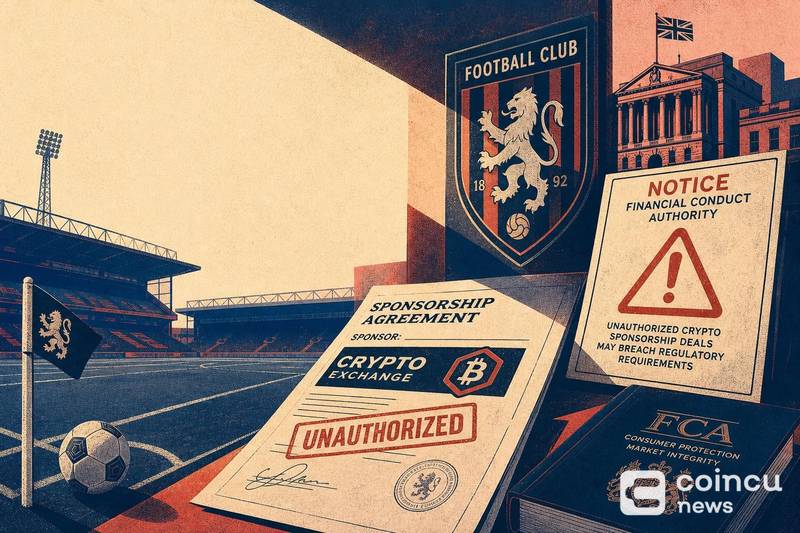
The warning follows the FCA’s establishment of a formal relationship with the Independent Football Regulator through a memorandum of understanding that enables both bodies to share information and coordinate oversight where football and financial regulation overlap.
Under the UK’s cryptoasset financial promotions regime, any marketing of crypto products to consumers must be approved by an FCA-authorized firm or an approved s21 approver. Sponsorship arrangements that place crypto branding in front of fans, whether on shirts, stadium signage, or digital channels, can constitute financial promotions subject to these rules.
Why football clubs are treated as promotion channels, not passive sponsors
Football clubs command massive retail audiences with high levels of trust. When a club displays a crypto firm’s branding, fans may reasonably interpret the partnership as an endorsement, giving the promotion outsized reach compared to a standard advertisement.
This makes clubs more than passive logo hosts. The FCA treats fan-facing crypto sponsorships as a distribution mechanism for financial promotions, meaning the regulatory obligations extend beyond the crypto firm itself to any party facilitating the promotion.
The distinction matters because clubs have historically entered sponsorship deals as commercial arrangements without treating them as regulated activity. Under the current regime, a sponsorship that promotes an unauthorized crypto product to UK consumers could expose the club to enforcement action, similar to how crypto platforms have sought legitimacy through sports partnerships with high-profile figures.
Compliance risks for clubs, sponsors, and commercial partners
The most immediate risk is that existing sponsorship contracts may not account for the financial promotions regime. Clubs that signed deals before the rules took full effect may be in technical breach without realizing it.
Crypto firms seeking UK football sponsorships now need to demonstrate either direct FCA authorization or approval from a registered s21 approver before any consumer-facing promotion goes live. The FCA maintains a warning list of unauthorized firms that clubs should check before entering or continuing partnerships.
Marketing agencies and commercial intermediaries that broker these deals also face exposure. If an agency facilitates a promotion for an unauthorized crypto firm, it may share liability under the regime, creating a chain of regulatory risk that extends well beyond the club and the crypto sponsor.
Reputational damage compounds the legal risk. A club publicly linked to an unauthorized crypto firm, particularly one that later appears on the FCA’s warning list, faces fan backlash and potential loss of other commercial partners who view regulatory trouble as a brand risk.
How the warning could reshape crypto-sports deals
Clubs are likely to impose stricter due diligence on prospective crypto partners as a direct result. Where previously a crypto firm’s financial standing and brand visibility drove deal negotiations, regulatory status is now a threshold requirement, especially as crypto-backed firms pursue partnerships across industries with varying oversight frameworks.
Future campaigns will likely require legal review against the FCA’s cryptoasset financial promotions guidance before launch. This adds time and cost to deal structures, potentially making smaller crypto firms less attractive as sponsors if they cannot demonstrate compliant approval pathways.
The warning may also create a cooling effect on new deals in the short term. Clubs weighing the compliance burden against sponsorship revenue may pause negotiations while they assess their exposure, particularly as major exchanges expand promotional activity across multiple jurisdictions with varying regulatory requirements.
The FCA’s coordination with the Independent Football Regulator signals that enforcement will not rely on a single agency. The memorandum of understanding creates an information-sharing framework that could surface problematic deals faster than either body could detect alone.
FAQ about the UK warning on football crypto sponsorships
Can football clubs still partner with crypto firms?
Yes. The warning does not ban crypto sponsorships. It requires that any crypto firm promoted through a club partnership must be properly authorized or have its promotions approved by an FCA-registered s21 approver. Clubs can continue these deals as long as they verify their partner’s regulatory status.
What counts as an unauthorized crypto promotion?
Any marketing of a cryptoasset product or service to UK consumers that has not been approved by an FCA-authorized person or a registered s21 approver. This includes shirt sponsorships, stadium branding, social media campaigns, and fan token promotions tied to unauthorized firms.
What should clubs review before announcing a deal?
Clubs should verify that the crypto partner holds FCA authorization or has a valid s21 approval arrangement, check the FCA’s warning list of unauthorized firms, and ensure that all consumer-facing promotional materials comply with the financial promotions regime. Existing contracts should be reviewed for compliance gaps.
Disclaimer: This article is for informational purposes only and does not constitute financial or investment advice. Cryptocurrency and digital asset markets carry significant risk. Always do your own research before making decisions.
No tags available.


Other Posts








- China, US Conclude Trade Talks with Focus on Cooperation
- Crypto Weekly: NYSE Backs OKX, Kraken Gets Fed Access, BTC Sells
- Court Upholds Fed’s Rejection of Custodia Bank’s Request
- Former CFO Convicted for $35M Fraudulent Crypto Investment
- DeriW Launches Edge Hour Trading Competition Platform for Derivatives Traders
- Michael Saylor Denies Bitcoin Sell-Off Amid Large BTC Transfer
- Buy Dogecoin on eToro: Step-by-Step Guide for Beginners (2024)
- Kazakhstan Explores Crypto Reserves Backed by National Funds
- JPMorgan Increases Holdings in BlackRock’s Bitcoin ETF
- Nordea Bank Introduces Bitcoin ETP Trading for Nordic Customers
- XRP Spot ETF Launches on Nasdaq Amid Market Fluctuations
- Peter Schiff Challenges Michael Saylor on MSTR’s Business Model
- Thailand Orders Worldcoin to Delete 1.2 Million Biometric Records
- UK Proposes New DeFi Tax Framework to Ease User Burden
- WLFI Under Fire: Analyst Warns Hyperliquid Could Be Next
- Ancient Ethereum Whale Moves $1.19 Billion After Decade
- BlackRock Receives Large Crypto Transfers from Coinbase
- SEC Scrutiny on ALT5 Sigma’s Leadership Disclosure Timing
- Yala Injects $5.5 Million Amid Recovery Efforts
- Radiant Capital Faces $50M Loss in Major Security Breach
- China, US Conclude Trade Talks with Focus on Cooperation
- Crypto Weekly: NYSE Backs OKX, Kraken Gets Fed Access, BTC Sells
- Court Upholds Fed’s Rejection of Custodia Bank’s Request
- Former CFO Convicted for $35M Fraudulent Crypto Investment
- DeriW Launches Edge Hour Trading Competition Platform for Derivatives Traders
- Michael Saylor Denies Bitcoin Sell-Off Amid Large BTC Transfer
- Buy Dogecoin on eToro: Step-by-Step Guide for Beginners (2024)
- Kazakhstan Explores Crypto Reserves Backed by National Funds
- JPMorgan Increases Holdings in BlackRock’s Bitcoin ETF
- Nordea Bank Introduces Bitcoin ETP Trading for Nordic Customers
- XRP Spot ETF Launches on Nasdaq Amid Market Fluctuations
- Peter Schiff Challenges Michael Saylor on MSTR’s Business Model
- Thailand Orders Worldcoin to Delete 1.2 Million Biometric Records
- UK Proposes New DeFi Tax Framework to Ease User Burden
- WLFI Under Fire: Analyst Warns Hyperliquid Could Be Next
- Ancient Ethereum Whale Moves $1.19 Billion After Decade
- BlackRock Receives Large Crypto Transfers from Coinbase
- SEC Scrutiny on ALT5 Sigma’s Leadership Disclosure Timing
- Yala Injects $5.5 Million Amid Recovery Efforts
- Radiant Capital Faces $50M Loss in Major Security Breach
- China, US Conclude Trade Talks with Focus on Cooperation
- Crypto Weekly: NYSE Backs OKX, Kraken Gets Fed Access, BTC Sells
- Court Upholds Fed’s Rejection of Custodia Bank’s Request
- Former CFO Convicted for $35M Fraudulent Crypto Investment
- DeriW Launches Edge Hour Trading Competition Platform for Derivatives Traders
- Michael Saylor Denies Bitcoin Sell-Off Amid Large BTC Transfer
- Buy Dogecoin on eToro: Step-by-Step Guide for Beginners (2024)
- Kazakhstan Explores Crypto Reserves Backed by National Funds
- JPMorgan Increases Holdings in BlackRock’s Bitcoin ETF
- Nordea Bank Introduces Bitcoin ETP Trading for Nordic Customers
- XRP Spot ETF Launches on Nasdaq Amid Market Fluctuations
- Peter Schiff Challenges Michael Saylor on MSTR’s Business Model
- Thailand Orders Worldcoin to Delete 1.2 Million Biometric Records
- UK Proposes New DeFi Tax Framework to Ease User Burden
- WLFI Under Fire: Analyst Warns Hyperliquid Could Be Next
- Ancient Ethereum Whale Moves $1.19 Billion After Decade
- BlackRock Receives Large Crypto Transfers from Coinbase
- SEC Scrutiny on ALT5 Sigma’s Leadership Disclosure Timing
- Yala Injects $5.5 Million Amid Recovery Efforts
- Radiant Capital Faces $50M Loss in Major Security Breach


H100 More Than Triples Bitcoin Holdings to 3,506 BTC After Acquisition Deal

Keel Shuts Down U.S. Bitcoin Mining Operations as AI Pivot Deepens
Syntetika Launches Tokenization Hub Bringing Regulated Investment Strategies Onchain
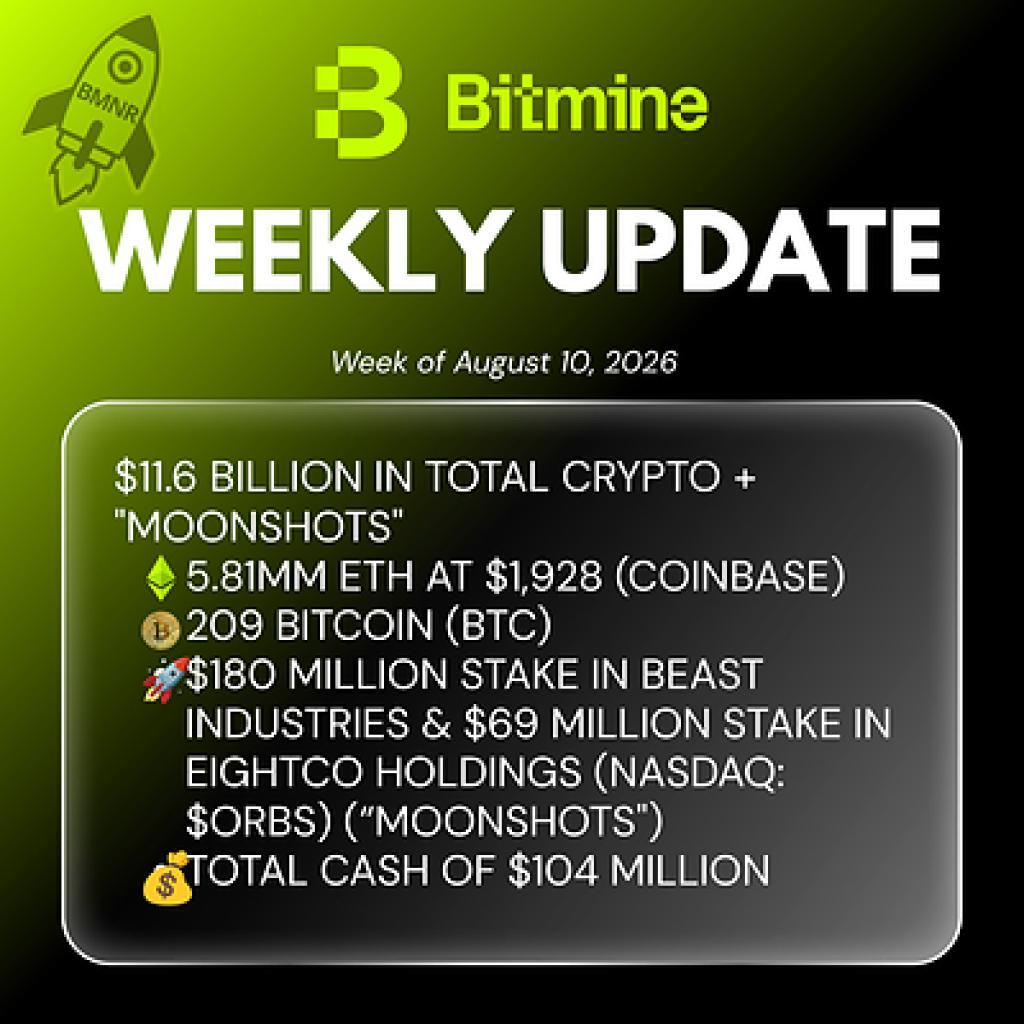
Bitmine Immersion Technologies (BMNR) Announces ETH Holdings Reach 5.81 Million Tokens, and Total Crypto and Total Cash Holdings of $11.6 Billion