Bithumb Suspends USDT Withdrawals on Kaia Network During System Maintenance
South Korean cryptocurrency exchange Bithumb temporarily suspended Tether (USDT) withdrawals through the Kaia network after announcing scheduled maintenance affecting stablecoin transfer services on the blockchain.
The exchange stated that USDT withdrawal support on Kaia would be paused beginning at 01:45 UTC on May 28 while technical maintenance operations were completed. During the suspension period, users were encouraged to use alternative blockchain networks such as Ethereum and Tron for USDT transfers.
The operational update drew market attention as traders monitored how exchange-level network adjustments could temporarily influence stablecoin movement across regional crypto trading ecosystems.
Bithumb pauses Kaia-based USDT transfers
According to Bithumb’s maintenance notice, the temporary suspension specifically affected USDT withdrawals operating through the Kaia blockchain infrastructure.
While deposits and withdrawals across alternative USDT-supported chains remained active, the maintenance highlighted how stablecoin transfer activity remains heavily dependent on underlying blockchain network availability.
The exchange stated that services would resume after network stability and maintenance procedures were completed.
Recent operational updates involving stablecoins and exchange infrastructure have also appeared across broader USDT .
Stablecoin infrastructure remains critical to exchange liquidity
Stablecoins such as USDT remain deeply integrated into exchange settlement systems and global crypto liquidity infrastructure.
Because traders frequently move capital between exchanges using stablecoins, temporary network suspensions can affect arbitrage activity, trading efficiency, and short-term transfer flexibility across crypto markets.
USDT continues maintaining one of the largest liquidity footprints across centralized trading platforms, with heavy integration across spot markets, derivatives infrastructure, and cross-chain settlement systems.
Broader developments surrounding stablecoin infrastructure continue shaping the wider stablecoin ecosystem.
Tron and Ethereum remain dominant USDT transfer networks
During the maintenance window, Bithumb recommended that users utilize alternative blockchain networks for USDT withdrawals, particularly Ethereum and Tron.
Both networks continue serving as two of the largest blockchain infrastructures supporting global USDT transfer activity due to their deep exchange integration and high liquidity support.
Market participants increasingly monitor stablecoin transfer behavior across chains because blockchain-level congestion, maintenance, or operational adjustments can occasionally influence short-term market liquidity conditions.
Additional developments involving blockchain liquidity activity have also influenced broader Ethereum market and related crypto infrastructure sectors.
Exchange maintenance events increasingly monitored by traders
Operational exchange announcements involving stablecoin transfers are receiving increased market attention as trading ecosystems become more interconnected across chains and platforms.
Because stablecoins function as core liquidity bridges across crypto markets, even temporary disruptions or maintenance periods can affect how traders manage cross-platform liquidity movement.
This dynamic has made exchange-level stablecoin infrastructure updates increasingly important for active market participants monitoring transfer conditions across global crypto trading systems.
Recent exchange infrastructure developments have also contributed to growing activity across the broader crypto derivatives and exchange sector.
USDT remains central to global crypto trading activity
Despite periodic operational maintenance across specific networks, USDT continues functioning as one of the primary liquidity assets supporting cryptocurrency trading activity worldwide.
The stablecoin remains heavily integrated across exchanges, derivatives collateral systems, institutional settlement infrastructure, and cross-border blockchain liquidity environments.
As crypto trading infrastructure continues expanding across multiple blockchain ecosystems, stablecoin network activity surrounding USDT is likely to remain closely monitored by both exchanges and market participants.


Other Posts








- Amplify 2024: Ohio’s Premier Blockchain Summit
- China, US Conclude Trade Talks with Focus on Cooperation
- Crypto Weekly: NYSE Backs OKX, Kraken Gets Fed Access, BTC Sells
- DeriW Launches Edge Hour Trading Competition Platform for Derivatives Traders
- Michael Saylor Denies Bitcoin Sell-Off Amid Large BTC Transfer
- Court Upholds Fed’s Rejection of Custodia Bank’s Request
- EU Opens Antitrust Probe Into Deutsche Boerse and Nasdaq Derivatives Dealings
- Kazakhstan Explores Crypto Reserves Backed by National Funds
- JPMorgan Increases Holdings in BlackRock’s Bitcoin ETF
- Nordea Bank Introduces Bitcoin ETP Trading for Nordic Customers
- XRP Spot ETF Launches on Nasdaq Amid Market Fluctuations
- JPMorgan Chase Launches 24/7 Digital Deposit Token for Clients
- Former CFO Convicted for $35M Fraudulent Crypto Investment
- Crypto Leaders Address Macro Volatility Amid Market Shifts
- Peter Schiff Challenges Michael Saylor on MSTR’s Business Model
- Buy Dogecoin on eToro: Step-by-Step Guide for Beginners (2024)
- Thailand Orders Worldcoin to Delete 1.2 Million Biometric Records
- UK Proposes New DeFi Tax Framework to Ease User Burden
- U.S. Treasury Proposes New Tax Relief Regulations
- Uniswap’s UNIfication Proposal Gains Massive Preliminary Support
- Amplify 2024: Ohio’s Premier Blockchain Summit
- China, US Conclude Trade Talks with Focus on Cooperation
- Crypto Weekly: NYSE Backs OKX, Kraken Gets Fed Access, BTC Sells
- DeriW Launches Edge Hour Trading Competition Platform for Derivatives Traders
- Michael Saylor Denies Bitcoin Sell-Off Amid Large BTC Transfer
- Court Upholds Fed’s Rejection of Custodia Bank’s Request
- EU Opens Antitrust Probe Into Deutsche Boerse and Nasdaq Derivatives Dealings
- Kazakhstan Explores Crypto Reserves Backed by National Funds
- JPMorgan Increases Holdings in BlackRock’s Bitcoin ETF
- Nordea Bank Introduces Bitcoin ETP Trading for Nordic Customers
- XRP Spot ETF Launches on Nasdaq Amid Market Fluctuations
- JPMorgan Chase Launches 24/7 Digital Deposit Token for Clients
- Former CFO Convicted for $35M Fraudulent Crypto Investment
- Crypto Leaders Address Macro Volatility Amid Market Shifts
- Peter Schiff Challenges Michael Saylor on MSTR’s Business Model
- Buy Dogecoin on eToro: Step-by-Step Guide for Beginners (2024)
- Thailand Orders Worldcoin to Delete 1.2 Million Biometric Records
- UK Proposes New DeFi Tax Framework to Ease User Burden
- U.S. Treasury Proposes New Tax Relief Regulations
- Uniswap’s UNIfication Proposal Gains Massive Preliminary Support
- Amplify 2024: Ohio’s Premier Blockchain Summit
- China, US Conclude Trade Talks with Focus on Cooperation
- Crypto Weekly: NYSE Backs OKX, Kraken Gets Fed Access, BTC Sells
- DeriW Launches Edge Hour Trading Competition Platform for Derivatives Traders
- Michael Saylor Denies Bitcoin Sell-Off Amid Large BTC Transfer
- Court Upholds Fed’s Rejection of Custodia Bank’s Request
- EU Opens Antitrust Probe Into Deutsche Boerse and Nasdaq Derivatives Dealings
- Kazakhstan Explores Crypto Reserves Backed by National Funds
- JPMorgan Increases Holdings in BlackRock’s Bitcoin ETF
- Nordea Bank Introduces Bitcoin ETP Trading for Nordic Customers
- XRP Spot ETF Launches on Nasdaq Amid Market Fluctuations
- JPMorgan Chase Launches 24/7 Digital Deposit Token for Clients
- Former CFO Convicted for $35M Fraudulent Crypto Investment
- Crypto Leaders Address Macro Volatility Amid Market Shifts
- Peter Schiff Challenges Michael Saylor on MSTR’s Business Model
- Buy Dogecoin on eToro: Step-by-Step Guide for Beginners (2024)
- Thailand Orders Worldcoin to Delete 1.2 Million Biometric Records
- UK Proposes New DeFi Tax Framework to Ease User Burden
- U.S. Treasury Proposes New Tax Relief Regulations
- Uniswap’s UNIfication Proposal Gains Massive Preliminary Support
Latest

Tether Transfer Activity Surges as Bitcoin Volatility Triggers Large-Scale USDT Liquidity Rotation

USDT Trading Volume Climbs as Stablecoin Activity Accelerates Across Crypto Markets

Bithumb Suspends USDT Withdrawals on Kaia Network During System Maintenance
Press Release
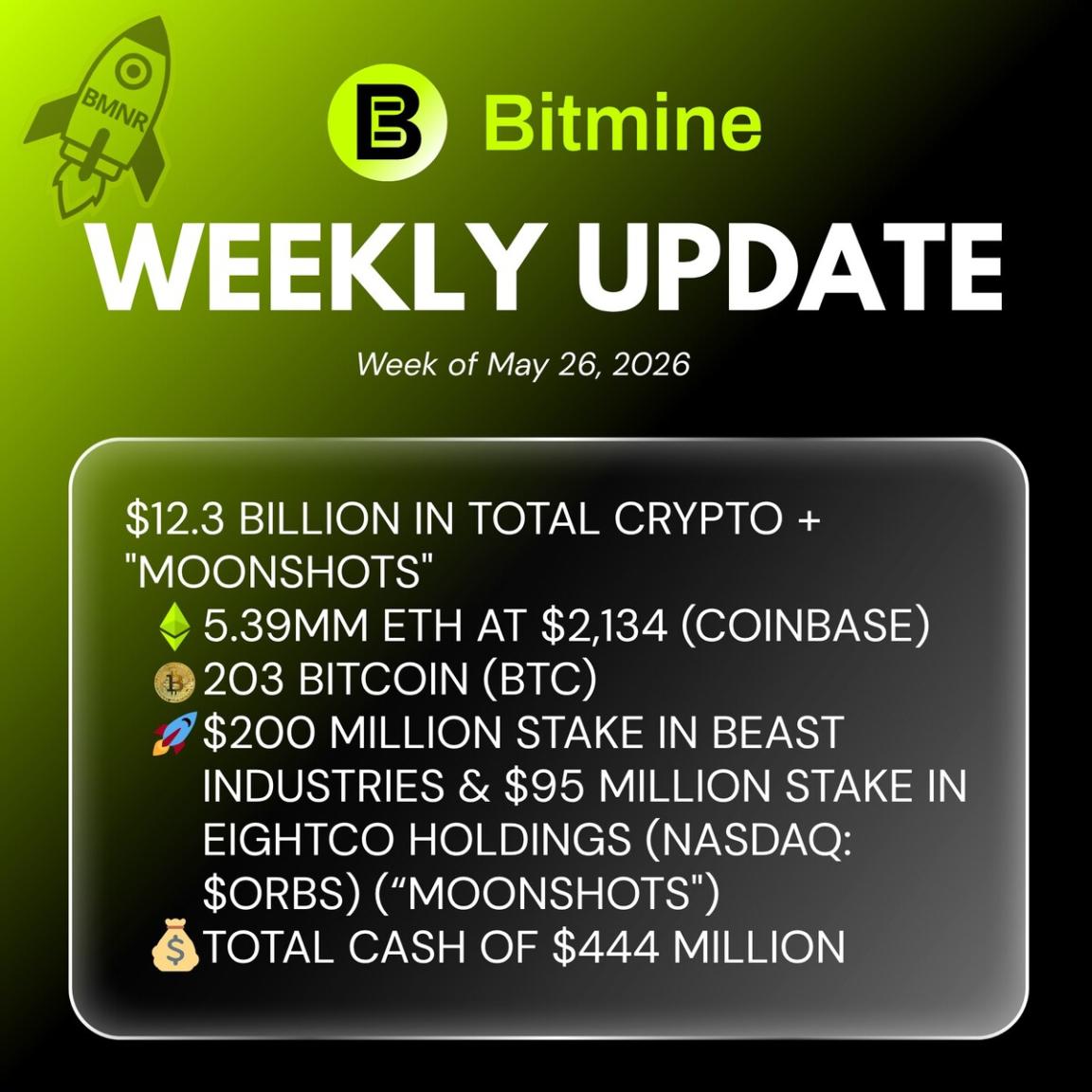
Bitmine Immersion Technologies (BMNR) Announces ETH Holdings Reach 5.39 Million Tokens, and Total Crypto and Total Cash Holdings of $12.3 Billion
MEXC Deploys 1,000 BTC to Strategic Reserves in March-April Security Report