Tether Transfer Activity Surges as Bitcoin Volatility Triggers Large-Scale USDT Liquidity Rotation
Tether (USDT) transfer activity accelerated sharply across major blockchain networks and cryptocurrency exchanges after renewed Bitcoin volatility triggered large-scale liquidity repositioning throughout digital asset markets.
On-chain monitoring platforms tracked rising USDT movement across Ethereum and Tron during the latest market sessions as traders rotated capital between spot exchanges, derivatives platforms, and stablecoin settlement systems amid growing short-term uncertainty.
The increase in stablecoin transfer activity followed renewed weakness across Bitcoin and altcoin markets, where elevated volatility and derivatives liquidations intensified demand for defensive liquidity positioning.
Bitcoin volatility drives stablecoin liquidity movement
Periods of heightened Bitcoin volatility frequently trigger rapid changes in crypto liquidity allocation as traders reposition capital to manage short-term market risk.
During the latest market downturn, increased derivatives liquidations and unstable price action pushed many traders toward stablecoins while broader crypto sentiment weakened across leveraged trading environments.
Because stablecoins allow capital to remain inside crypto ecosystems without direct exposure to volatile price swings, USDT activity often accelerates during periods of aggressive market repositioning.
This behavior became increasingly visible as traders moved liquidity between exchanges, futures collateral systems, and blockchain settlement networks throughout the latest trading sessions.
USDT transfer activity rises across Ethereum and Tron
Blockchain activity involving USDT expanded significantly across both Ethereum and Tron, which remain two of the largest networks supporting global stablecoin settlement infrastructure.
Large-scale USDT transfers are commonly monitored by traders because stablecoin flows can provide insight into exchange liquidity conditions, capital rotation behavior, and short-term market positioning.
As volatility intensified across crypto markets, stablecoin movement between wallets, exchanges, and trading platforms increased alongside broader liquidity demand.
Because USDT remains deeply integrated into exchange settlement systems and derivatives collateral infrastructure, rising transfer activity frequently reflects heightened trading activity across the wider digital asset ecosystem.
Stablecoin flows become key indicator of market sentiment
Market participants increasingly monitor stablecoin transfer behavior as a real-time signal of broader liquidity conditions during volatile trading periods.
Rising USDT movement across blockchain networks can reflect several market dynamics simultaneously, including defensive positioning, leverage reduction, capital preservation, and preparation for rapid market re-entry if conditions stabilize.
During periods of elevated uncertainty, stablecoins often function as temporary liquidity hubs where traders preserve flexibility while waiting for clearer market direction.
This dynamic has strengthened the importance of stablecoin activity within broader crypto market analysis.
Derivatives markets amplify liquidity rotation
Crypto derivatives markets also contributed to rising stablecoin activity as leveraged traders adjusted exposure during rapid intraday price swings.
When volatility expands across perpetual futures markets, liquidations and collateral adjustments can accelerate the movement of stablecoin liquidity between exchanges and trading systems.
Because USDT remains one of the primary collateral assets supporting perpetual futures infrastructure worldwide, changes in derivatives positioning frequently influence stablecoin transfer behavior across multiple blockchain ecosystems.
This relationship has made stablecoin flows increasingly important for traders monitoring broader market stress conditions.
USDT remains central to crypto market infrastructure
Despite ongoing volatility across cryptocurrency markets, USDT continues maintaining one of the largest liquidity footprints across global digital asset trading infrastructure.
The stablecoin remains heavily integrated across spot markets, derivatives settlement systems, institutional trading operations, and cross-chain blockchain liquidity networks.
As crypto markets continue navigating elevated volatility conditions, transfer activity involving USDT is likely to remain closely tied to broader shifts in market sentiment, liquidity management, and trader positioning behavior throughout the digital asset ecosystem.


Other Posts








- Amplify 2024: Ohio’s Premier Blockchain Summit
- China, US Conclude Trade Talks with Focus on Cooperation
- Crypto Weekly: NYSE Backs OKX, Kraken Gets Fed Access, BTC Sells
- DeriW Launches Edge Hour Trading Competition Platform for Derivatives Traders
- Michael Saylor Denies Bitcoin Sell-Off Amid Large BTC Transfer
- Court Upholds Fed’s Rejection of Custodia Bank’s Request
- EU Opens Antitrust Probe Into Deutsche Boerse and Nasdaq Derivatives Dealings
- Kazakhstan Explores Crypto Reserves Backed by National Funds
- JPMorgan Increases Holdings in BlackRock’s Bitcoin ETF
- Nordea Bank Introduces Bitcoin ETP Trading for Nordic Customers
- XRP Spot ETF Launches on Nasdaq Amid Market Fluctuations
- JPMorgan Chase Launches 24/7 Digital Deposit Token for Clients
- Former CFO Convicted for $35M Fraudulent Crypto Investment
- Crypto Leaders Address Macro Volatility Amid Market Shifts
- Peter Schiff Challenges Michael Saylor on MSTR’s Business Model
- Buy Dogecoin on eToro: Step-by-Step Guide for Beginners (2024)
- Thailand Orders Worldcoin to Delete 1.2 Million Biometric Records
- UK Proposes New DeFi Tax Framework to Ease User Burden
- U.S. Treasury Proposes New Tax Relief Regulations
- Uniswap’s UNIfication Proposal Gains Massive Preliminary Support
- Amplify 2024: Ohio’s Premier Blockchain Summit
- China, US Conclude Trade Talks with Focus on Cooperation
- Crypto Weekly: NYSE Backs OKX, Kraken Gets Fed Access, BTC Sells
- DeriW Launches Edge Hour Trading Competition Platform for Derivatives Traders
- Michael Saylor Denies Bitcoin Sell-Off Amid Large BTC Transfer
- Court Upholds Fed’s Rejection of Custodia Bank’s Request
- EU Opens Antitrust Probe Into Deutsche Boerse and Nasdaq Derivatives Dealings
- Kazakhstan Explores Crypto Reserves Backed by National Funds
- JPMorgan Increases Holdings in BlackRock’s Bitcoin ETF
- Nordea Bank Introduces Bitcoin ETP Trading for Nordic Customers
- XRP Spot ETF Launches on Nasdaq Amid Market Fluctuations
- JPMorgan Chase Launches 24/7 Digital Deposit Token for Clients
- Former CFO Convicted for $35M Fraudulent Crypto Investment
- Crypto Leaders Address Macro Volatility Amid Market Shifts
- Peter Schiff Challenges Michael Saylor on MSTR’s Business Model
- Buy Dogecoin on eToro: Step-by-Step Guide for Beginners (2024)
- Thailand Orders Worldcoin to Delete 1.2 Million Biometric Records
- UK Proposes New DeFi Tax Framework to Ease User Burden
- U.S. Treasury Proposes New Tax Relief Regulations
- Uniswap’s UNIfication Proposal Gains Massive Preliminary Support
- Amplify 2024: Ohio’s Premier Blockchain Summit
- China, US Conclude Trade Talks with Focus on Cooperation
- Crypto Weekly: NYSE Backs OKX, Kraken Gets Fed Access, BTC Sells
- DeriW Launches Edge Hour Trading Competition Platform for Derivatives Traders
- Michael Saylor Denies Bitcoin Sell-Off Amid Large BTC Transfer
- Court Upholds Fed’s Rejection of Custodia Bank’s Request
- EU Opens Antitrust Probe Into Deutsche Boerse and Nasdaq Derivatives Dealings
- Kazakhstan Explores Crypto Reserves Backed by National Funds
- JPMorgan Increases Holdings in BlackRock’s Bitcoin ETF
- Nordea Bank Introduces Bitcoin ETP Trading for Nordic Customers
- XRP Spot ETF Launches on Nasdaq Amid Market Fluctuations
- JPMorgan Chase Launches 24/7 Digital Deposit Token for Clients
- Former CFO Convicted for $35M Fraudulent Crypto Investment
- Crypto Leaders Address Macro Volatility Amid Market Shifts
- Peter Schiff Challenges Michael Saylor on MSTR’s Business Model
- Buy Dogecoin on eToro: Step-by-Step Guide for Beginners (2024)
- Thailand Orders Worldcoin to Delete 1.2 Million Biometric Records
- UK Proposes New DeFi Tax Framework to Ease User Burden
- U.S. Treasury Proposes New Tax Relief Regulations
- Uniswap’s UNIfication Proposal Gains Massive Preliminary Support
Latest

Tether Backs LemFi to Expand USDT-Powered Remittances Across Emerging Markets

Tether Transfer Activity Surges as Bitcoin Volatility Triggers Large-Scale USDT Liquidity Rotation

USDT Trading Volume Climbs as Stablecoin Activity Accelerates Across Crypto Markets
Press Release
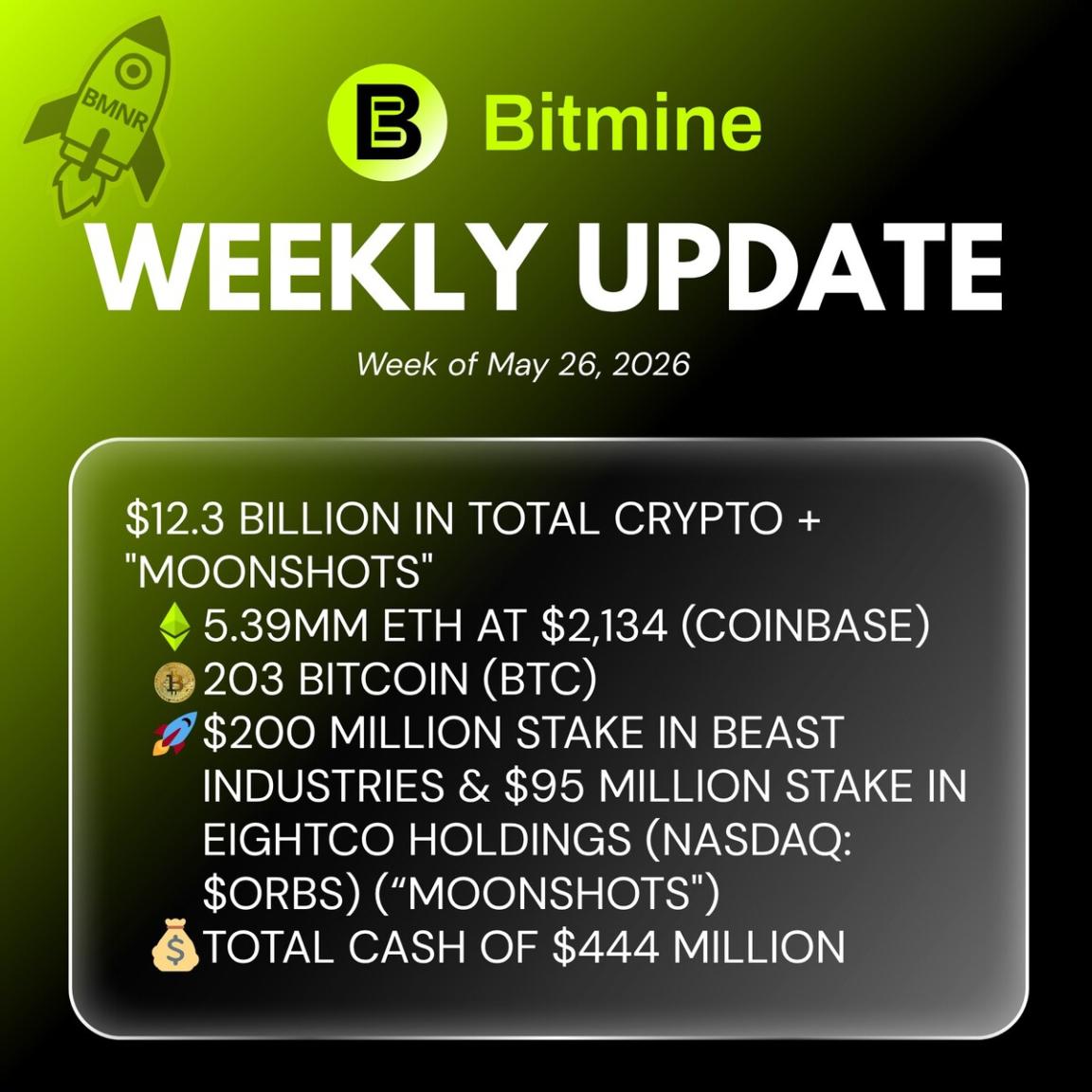
Bitmine Immersion Technologies (BMNR) Announces ETH Holdings Reach 5.39 Million Tokens, and Total Crypto and Total Cash Holdings of $12.3 Billion

MEXC Deploys 1,000 BTC to Strategic Reserves in March-April Security Report