VanEck’s tokenized U.S. bond fund is now connected to Euler, a decentralized lending protocol, in a move that bridges traditional fixed-income products with DeFi infrastructure. The integration marks another step in the growing convergence between real-world assets and on-chain capital markets.
What VanEck Announced With Euler
The connection links VanEck’s tokenized U.S. bond fund to Euler, a non-custodial lending and borrowing protocol. In practical terms, the integration enables the tokenized bond product to interact with DeFi lending markets, potentially allowing it to be supplied or used within Euler’s protocol infrastructure.
VanEck, a global investment management firm with decades of experience in traditional finance, has been expanding its digital asset footprint. Euler operates as a permissionless lending venue where users can supply and borrow crypto assets without intermediaries.
What makes this newsworthy is that the move goes beyond simply tokenizing an asset. It places a regulated bond product inside a composable DeFi environment where it could function alongside native crypto assets, connecting sovereign debt exposure directly to decentralized finance rails.
How the Integration Works in Practice
The connection between VanEck’s tokenized fund and Euler implies that the fund’s token can be listed or recognized within Euler’s lending markets. This could allow holders to supply the token as collateral, borrow against it, or earn additional yield by making it available to other protocol participants.
Whether the fund token acts strictly as collateral, as yield-bearing inventory, or both has not been fully detailed in public announcements. The operational specifics, including eligibility rules, access limits, and rollout constraints, remain areas where further clarity is expected.
For institutional users, the pathway would involve acquiring the tokenized bond product and then interacting with Euler’s protocol interface to deploy it within lending markets. For DeFi-native users, the integration offers access to U.S. Treasury yields without leaving the on-chain environment.
Why This Matters for DeFi and Tokenized Treasuries
Tokenized U.S. government debt has become one of the fastest-growing segments in the real-world asset category. The appeal is straightforward: holders gain exposure to U.S. Treasury yields while retaining the composability and settlement speed of blockchain-based assets.
For Euler, integrating a tokenized bond product could attract institutional liquidity and diversify its collateral base beyond volatile crypto tokens. For VanEck, the connection opens distribution to DeFi-native users who want yield without leaving on-chain environments, a dynamic also visible in how stablecoin providers are expanding into new financial corridors to reach underserved markets.
The broader trend reflects growing demand for stable, yield-generating assets on-chain. As stablecoin activity accelerates across crypto markets, tokenized Treasuries offer an alternative that carries the backing of U.S. government debt rather than algorithmic or fiat-reserve mechanisms.
This integration may also signal incremental progress in institutional adoption of DeFi rails. By connecting a product from a well-known asset manager to a permissionless lending protocol, the move tests whether traditional finance products can coexist with DeFi’s open architecture.
Key Risks, Limits, and Open Questions
Smart contract vulnerabilities in Euler’s protocol could expose the tokenized fund to exploits. Euler previously suffered a significant exploit in 2023, and while the protocol has since been rebuilt, the history underscores the importance of ongoing security audits and risk management.
Liquidity and redemption constraints remain relevant. Tokenized bond products may not offer the same instant liquidity as native crypto assets, and any mismatch between on-chain demand and off-chain redemption windows could create friction, similar to challenges seen in broader large-scale liquidity rotation events across digital asset markets.
Regulatory and jurisdictional limitations also apply. Access to tokenized securities products typically involves eligibility requirements that may restrict participation to accredited investors or specific geographies. Whether Euler’s permissionless architecture aligns with these compliance requirements is an open question.
Counterparty risk does not disappear with tokenization; it shifts. Users must trust VanEck’s fund management, the token’s smart contract implementation, and Euler’s protocol security simultaneously.
FAQ About VanEck’s Euler Integration
What is VanEck’s tokenized U.S. bond fund?
It is a fund managed by VanEck that provides exposure to U.S. government bonds through a blockchain-based token, allowing holders to access Treasury yields in a digital asset format.
What is Euler and what role does it play?
Euler is a decentralized, non-custodial lending and borrowing protocol. In this integration, it serves as the DeFi venue where VanEck’s tokenized bond product can be supplied, borrowed against, or used as collateral.
Does this mean tokenized Treasuries can be used in DeFi more broadly?
This integration is specific to Euler. Broader DeFi adoption of tokenized Treasuries depends on individual protocol decisions, regulatory clarity, and the development of standardized frameworks for real-world asset collateral.
Disclaimer: This article is for informational purposes only and does not constitute financial or investment advice. Cryptocurrency and digital asset markets carry significant risk. Always do your own research before making decisions.
No tags available.


Other Posts








- Amplify 2024: Ohio’s Premier Blockchain Summit
- China, US Conclude Trade Talks with Focus on Cooperation
- Crypto Weekly: NYSE Backs OKX, Kraken Gets Fed Access, BTC Sells
- DeriW Launches Edge Hour Trading Competition Platform for Derivatives Traders
- Michael Saylor Denies Bitcoin Sell-Off Amid Large BTC Transfer
- Court Upholds Fed’s Rejection of Custodia Bank’s Request
- EU Opens Antitrust Probe Into Deutsche Boerse and Nasdaq Derivatives Dealings
- Kazakhstan Explores Crypto Reserves Backed by National Funds
- JPMorgan Increases Holdings in BlackRock’s Bitcoin ETF
- Nordea Bank Introduces Bitcoin ETP Trading for Nordic Customers
- XRP Spot ETF Launches on Nasdaq Amid Market Fluctuations
- JPMorgan Chase Launches 24/7 Digital Deposit Token for Clients
- Former CFO Convicted for $35M Fraudulent Crypto Investment
- Crypto Leaders Address Macro Volatility Amid Market Shifts
- Peter Schiff Challenges Michael Saylor on MSTR’s Business Model
- Buy Dogecoin on eToro: Step-by-Step Guide for Beginners (2024)
- Thailand Orders Worldcoin to Delete 1.2 Million Biometric Records
- UK Proposes New DeFi Tax Framework to Ease User Burden
- U.S. Treasury Proposes New Tax Relief Regulations
- Uniswap’s UNIfication Proposal Gains Massive Preliminary Support
- Amplify 2024: Ohio’s Premier Blockchain Summit
- China, US Conclude Trade Talks with Focus on Cooperation
- Crypto Weekly: NYSE Backs OKX, Kraken Gets Fed Access, BTC Sells
- DeriW Launches Edge Hour Trading Competition Platform for Derivatives Traders
- Michael Saylor Denies Bitcoin Sell-Off Amid Large BTC Transfer
- Court Upholds Fed’s Rejection of Custodia Bank’s Request
- EU Opens Antitrust Probe Into Deutsche Boerse and Nasdaq Derivatives Dealings
- Kazakhstan Explores Crypto Reserves Backed by National Funds
- JPMorgan Increases Holdings in BlackRock’s Bitcoin ETF
- Nordea Bank Introduces Bitcoin ETP Trading for Nordic Customers
- XRP Spot ETF Launches on Nasdaq Amid Market Fluctuations
- JPMorgan Chase Launches 24/7 Digital Deposit Token for Clients
- Former CFO Convicted for $35M Fraudulent Crypto Investment
- Crypto Leaders Address Macro Volatility Amid Market Shifts
- Peter Schiff Challenges Michael Saylor on MSTR’s Business Model
- Buy Dogecoin on eToro: Step-by-Step Guide for Beginners (2024)
- Thailand Orders Worldcoin to Delete 1.2 Million Biometric Records
- UK Proposes New DeFi Tax Framework to Ease User Burden
- U.S. Treasury Proposes New Tax Relief Regulations
- Uniswap’s UNIfication Proposal Gains Massive Preliminary Support
- Amplify 2024: Ohio’s Premier Blockchain Summit
- China, US Conclude Trade Talks with Focus on Cooperation
- Crypto Weekly: NYSE Backs OKX, Kraken Gets Fed Access, BTC Sells
- DeriW Launches Edge Hour Trading Competition Platform for Derivatives Traders
- Michael Saylor Denies Bitcoin Sell-Off Amid Large BTC Transfer
- Court Upholds Fed’s Rejection of Custodia Bank’s Request
- EU Opens Antitrust Probe Into Deutsche Boerse and Nasdaq Derivatives Dealings
- Kazakhstan Explores Crypto Reserves Backed by National Funds
- JPMorgan Increases Holdings in BlackRock’s Bitcoin ETF
- Nordea Bank Introduces Bitcoin ETP Trading for Nordic Customers
- XRP Spot ETF Launches on Nasdaq Amid Market Fluctuations
- JPMorgan Chase Launches 24/7 Digital Deposit Token for Clients
- Former CFO Convicted for $35M Fraudulent Crypto Investment
- Crypto Leaders Address Macro Volatility Amid Market Shifts
- Peter Schiff Challenges Michael Saylor on MSTR’s Business Model
- Buy Dogecoin on eToro: Step-by-Step Guide for Beginners (2024)
- Thailand Orders Worldcoin to Delete 1.2 Million Biometric Records
- UK Proposes New DeFi Tax Framework to Ease User Burden
- U.S. Treasury Proposes New Tax Relief Regulations
- Uniswap’s UNIfication Proposal Gains Massive Preliminary Support
Latest


Tether Backs LemFi to Expand USDT-Powered Remittances Across Emerging Markets

Tether Transfer Activity Surges as Bitcoin Volatility Triggers Large-Scale USDT Liquidity Rotation
Press Release
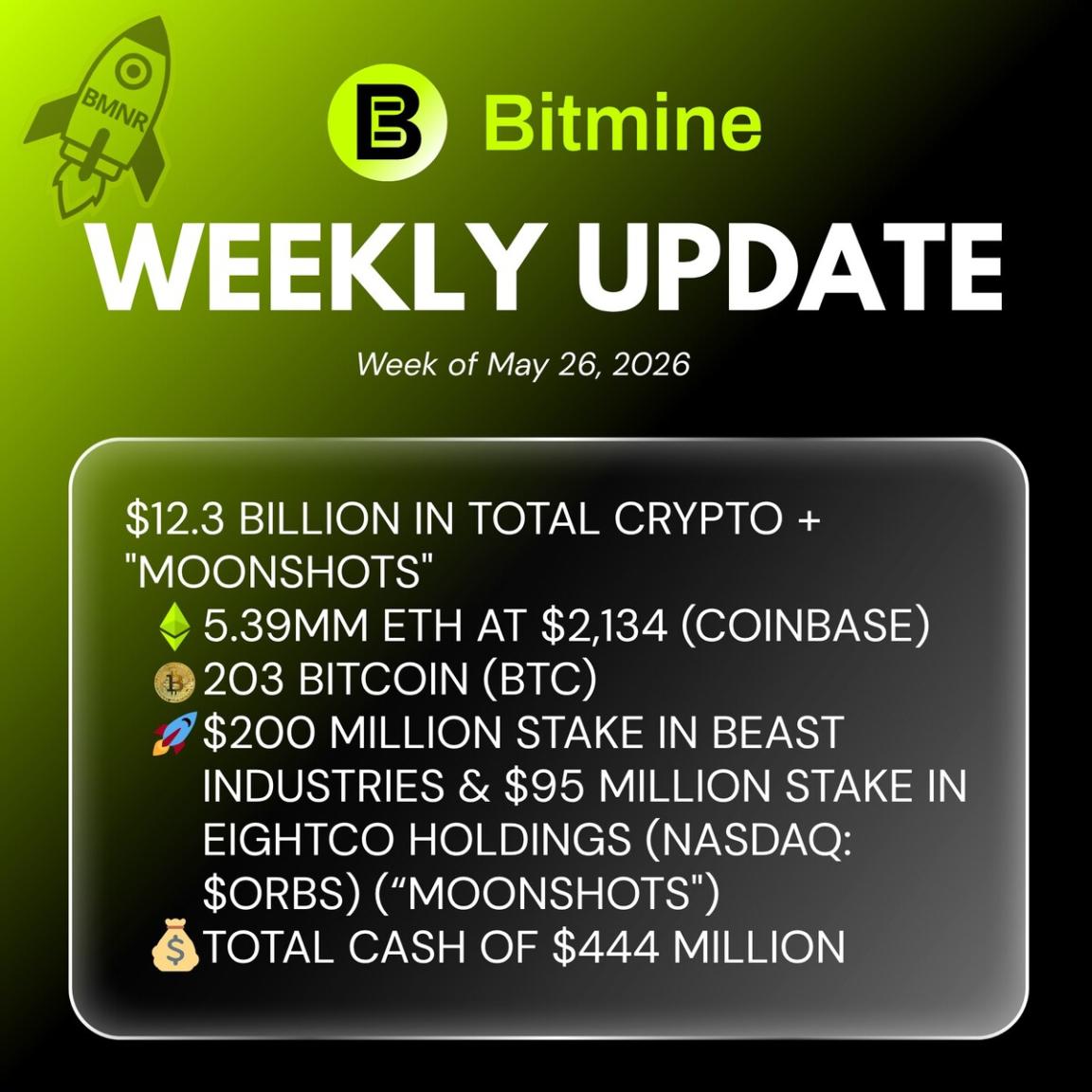
Bitmine Immersion Technologies (BMNR) Announces ETH Holdings Reach 5.39 Million Tokens, and Total Crypto and Total Cash Holdings of $12.3 Billion
MEXC Deploys 1,000 BTC to Strategic Reserves in March-April Security Report