Russia’s central bank has indicated that a new crypto regulatory law could take effect as early as September 1, with a transition period extending through 2027 to allow market participants time to comply with the full scope of the legislation.
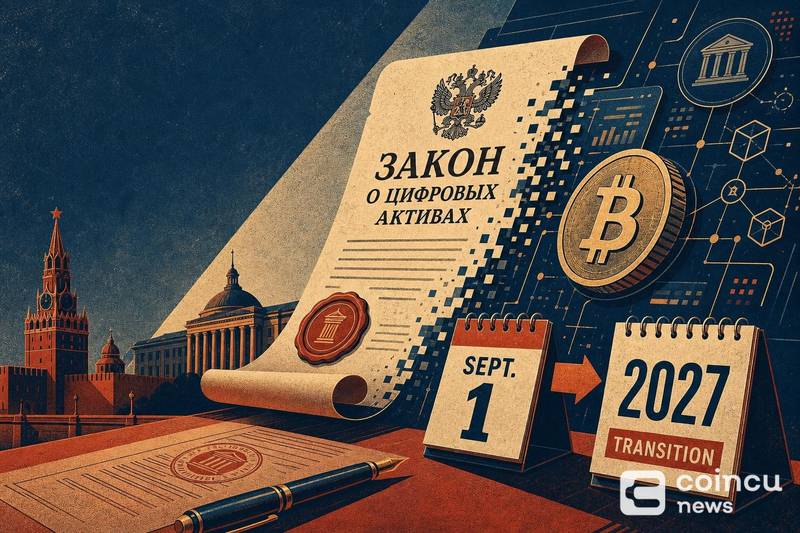
What the Russian central bank said about the September 1 start date
The Bank of Russia signaled that the country’s crypto regulatory framework could become legally operative on September 1, according to a press event published by the central bank. The language around the date suggests it is a target rather than a guaranteed enforcement deadline. For related coverage, see Asia’s Crypto Week: Iran Outflows, HK Web3, Binance Moves.
The distinction matters. A conditional start date means the legislation may still face procedural steps before formal enactment, and market participants should treat September 1 as an expected timeline rather than a locked-in compliance deadline.
Russia has been working toward a comprehensive crypto legal framework for several years, with the central bank playing a central role in shaping the regulatory approach. The September 1 target represents the latest milestone in that effort, which has previously seen proposed implementation timelines shift as policymakers refined the scope of oversight.
How the transition period through 2027 works
Even if the law takes effect on September 1, full compliance will not be required immediately. The transition period running through 2027 signals that regulators expect a phased rollout, giving exchanges, custodians, and other crypto businesses time to align operations with the new rules.
This staged approach separates the legal starting point from the operational enforcement deadline. Rules may formally exist on the books from September, but entities operating in the Russian crypto market would have until 2027 to meet all requirements.
The 2027 endpoint aligns with earlier reporting from CoinDesk noting that Russia planned to roll out crypto market rules by 2027 while ruling out Bitcoin and Ether as legal tender. That reporting also confirmed that the regulatory effort is focused on market oversight, not on granting cryptocurrencies any form of monetary status within Russia.
A multi-year transition is common in financial regulation. It allows regulators to issue detailed guidance, build supervisory infrastructure, and give businesses time to obtain licenses or restructure operations. For Russia, the window through 2027 suggests that the crypto bill covers enough ground to require significant implementation work on both sides.
What the law covers in Russia’s crypto framework
The legislation appears aimed at creating a formal regulatory structure for crypto market activity in Russia. This includes establishing rules for how digital assets can be traded, held, and serviced by Russian entities.
One critical distinction: regulation of crypto activity is not the same as granting legal tender status. Russia has explicitly separated the two, meaning that while crypto transactions may become regulated, Bitcoin and other cryptocurrencies will not function as recognized currency within the Russian financial system. The country has been exploring various approaches to managing crypto trading while maintaining this distinction.
The Bank of Russia has also been examining the role of digital financial assets on public blockchains, a related but separate track from the broader crypto market regulation. These parallel efforts, including the central bank’s interest in public-chain digital financial assets, suggest that Russia is building a layered regulatory approach rather than a single blanket policy.
Why this matters for Russia’s crypto policy direction
The September 1 target and 2027 transition window together indicate that Russia is moving from exploratory policy discussions to concrete legislative action. Setting a start date, even a conditional one, represents a shift from “whether” to “when.”
For crypto businesses operating in or serving Russian users, the announcement creates a clearer planning horizon. Regulatory certainty, even when the rules are restrictive, tends to be preferred by market participants over prolonged ambiguity.
The phased timeline also suggests Russia is taking a measured approach rather than imposing sudden restrictions. This contrasts with more abrupt regulatory actions seen in other jurisdictions and may signal that the final framework aims for workable compliance rather than outright prohibition. Russia’s broader engagement with crypto regulation, including its enforcement actions and seizures, shows the country is already actively policing the space even before formal legislation takes hold.
FAQ: Key questions about Russia’s crypto law timeline
What happens on September 1?
The crypto regulatory law is expected to take legal effect on that date, meaning the legislation would formally enter force. However, this does not mean all rules will be immediately enforced, as the transition period provides additional time for compliance.
Why does the transition last until 2027?
The transition period through 2027 gives crypto market participants, regulators, and supporting institutions time to implement the full range of requirements. Financial regulation of this scope typically requires licensing frameworks, reporting systems, and supervisory capacity that cannot be built overnight.
Does this mean crypto becomes legal tender in Russia?
No. Russia has explicitly ruled out granting legal tender status to cryptocurrencies including Bitcoin and Ether. The law focuses on regulating crypto market activity, not on integrating digital assets into the country’s monetary system.
Disclaimer: This article is for informational purposes only and does not constitute financial or investment advice. Cryptocurrency and digital asset markets carry significant risk. Always do your own research before making decisions.
No tags available.


Other Posts








- China, US Conclude Trade Talks with Focus on Cooperation
- Crypto Weekly: NYSE Backs OKX, Kraken Gets Fed Access, BTC Sells
- DeriW Launches Edge Hour Trading Competition Platform for Derivatives Traders
- Court Upholds Fed’s Rejection of Custodia Bank’s Request
- Former CFO Convicted for $35M Fraudulent Crypto Investment
- Michael Saylor Denies Bitcoin Sell-Off Amid Large BTC Transfer
- Buy Dogecoin on eToro: Step-by-Step Guide for Beginners (2024)
- Kazakhstan Explores Crypto Reserves Backed by National Funds
- JPMorgan Increases Holdings in BlackRock’s Bitcoin ETF
- Nordea Bank Introduces Bitcoin ETP Trading for Nordic Customers
- XRP Spot ETF Launches on Nasdaq Amid Market Fluctuations
- Peter Schiff Challenges Michael Saylor on MSTR’s Business Model
- Thailand Orders Worldcoin to Delete 1.2 Million Biometric Records
- UK Proposes New DeFi Tax Framework to Ease User Burden
- WLFI Under Fire: Analyst Warns Hyperliquid Could Be Next
- Ancient Ethereum Whale Moves $1.19 Billion After Decade
- BlackRock Receives Large Crypto Transfers from Coinbase
- SEC Scrutiny on ALT5 Sigma’s Leadership Disclosure Timing
- Yala Injects $5.5 Million Amid Recovery Efforts
- Radiant Capital Faces $50M Loss in Major Security Breach
- China, US Conclude Trade Talks with Focus on Cooperation
- Crypto Weekly: NYSE Backs OKX, Kraken Gets Fed Access, BTC Sells
- DeriW Launches Edge Hour Trading Competition Platform for Derivatives Traders
- Court Upholds Fed’s Rejection of Custodia Bank’s Request
- Former CFO Convicted for $35M Fraudulent Crypto Investment
- Michael Saylor Denies Bitcoin Sell-Off Amid Large BTC Transfer
- Buy Dogecoin on eToro: Step-by-Step Guide for Beginners (2024)
- Kazakhstan Explores Crypto Reserves Backed by National Funds
- JPMorgan Increases Holdings in BlackRock’s Bitcoin ETF
- Nordea Bank Introduces Bitcoin ETP Trading for Nordic Customers
- XRP Spot ETF Launches on Nasdaq Amid Market Fluctuations
- Peter Schiff Challenges Michael Saylor on MSTR’s Business Model
- Thailand Orders Worldcoin to Delete 1.2 Million Biometric Records
- UK Proposes New DeFi Tax Framework to Ease User Burden
- WLFI Under Fire: Analyst Warns Hyperliquid Could Be Next
- Ancient Ethereum Whale Moves $1.19 Billion After Decade
- BlackRock Receives Large Crypto Transfers from Coinbase
- SEC Scrutiny on ALT5 Sigma’s Leadership Disclosure Timing
- Yala Injects $5.5 Million Amid Recovery Efforts
- Radiant Capital Faces $50M Loss in Major Security Breach
- China, US Conclude Trade Talks with Focus on Cooperation
- Crypto Weekly: NYSE Backs OKX, Kraken Gets Fed Access, BTC Sells
- DeriW Launches Edge Hour Trading Competition Platform for Derivatives Traders
- Court Upholds Fed’s Rejection of Custodia Bank’s Request
- Former CFO Convicted for $35M Fraudulent Crypto Investment
- Michael Saylor Denies Bitcoin Sell-Off Amid Large BTC Transfer
- Buy Dogecoin on eToro: Step-by-Step Guide for Beginners (2024)
- Kazakhstan Explores Crypto Reserves Backed by National Funds
- JPMorgan Increases Holdings in BlackRock’s Bitcoin ETF
- Nordea Bank Introduces Bitcoin ETP Trading for Nordic Customers
- XRP Spot ETF Launches on Nasdaq Amid Market Fluctuations
- Peter Schiff Challenges Michael Saylor on MSTR’s Business Model
- Thailand Orders Worldcoin to Delete 1.2 Million Biometric Records
- UK Proposes New DeFi Tax Framework to Ease User Burden
- WLFI Under Fire: Analyst Warns Hyperliquid Could Be Next
- Ancient Ethereum Whale Moves $1.19 Billion After Decade
- BlackRock Receives Large Crypto Transfers from Coinbase
- SEC Scrutiny on ALT5 Sigma’s Leadership Disclosure Timing
- Yala Injects $5.5 Million Amid Recovery Efforts
- Radiant Capital Faces $50M Loss in Major Security Breach


DOJ Extradites Alleged Scattered Spider Members in $100M Crypto Extortion Case

Top Bitcoin Treasury Companies in 2026: 5 Public Firms With the Biggest BTC Reserves

Ethereum Institutional Launches as Independent Non-Profit to Bring Institutional Finance Onchain at Scale