Bitcoin Spot ETF vs Bitcoin Futures ETF in 2026: Key Differences for Investors
Updated July 9, 2026
Quick Answer
If you want the short version, a Bitcoin spot ETF holds bitcoin directly through a trust structure, while a Bitcoin futures ETF usually gains exposure through cash-settled CME bitcoin futures contracts.
That difference affects:
- how closely the product tracks bitcoin’s market price
- whether roll costs can reduce returns
- how the issuer handles custody and creation or redemption
- what kind of risk the investor is actually taking
For most readers, the cleanest reference pair is a spot product like IBIT and a futures-based product like BITO because they make the structural difference easy to see.
What Is the Real Difference?
The simple version is:
- a spot Bitcoin ETF is built around holding bitcoin itself
- a futures Bitcoin ETF is built around holding futures contracts tied to bitcoin
The SEC’s January 10, 2024 approval statement matters here because it formally opened the U.S. market to spot bitcoin exchange-traded products. Investor.gov’s later bulletin also distinguishes between spot ETPs that hold bitcoin and funds that provide exposure through bitcoin futures contracts.
That distinction is the foundation of the whole comparison.
Quick Comparison
| Category | Spot Bitcoin ETF | Bitcoin Futures ETF |
|---|---|---|
| Core exposure | holds bitcoin through a trust structure | uses CME bitcoin futures contracts |
| Tracking | usually closer to spot bitcoin price | can diverge due to futures curve and roll costs |
| Roll costs | not a core issue | important, especially in contango |
| Custody question | bitcoin custody and trust operations matter | futures margin, collateral, and contract management matter |
| Operational complexity for issuer | holding and safeguarding bitcoin | maintaining and rolling regulated futures exposure |
| Best fit | investors who want simpler spot-price exposure in brokerage form | investors who specifically want futures-based exposure or already understand futures-product mechanics |
Spot Bitcoin ETF: How It Works
A spot bitcoin ETF or ETP trust is built to hold bitcoin directly.
The iShares Bitcoin Trust ETF page says the trust offers exposure to bitcoin through an exchange-traded product and simplifies the operational and custody complexities of holding bitcoin directly. That is the value proposition in one sentence: you get brokerage access to bitcoin price exposure without personally handling wallets or onchain custody.
That does not mean the risk disappears. It means the risk moves into:
- the trust structure
- the custodian and service providers
- the premium or discount dynamics of the product
- general crypto-market volatility
But mechanically, spot is the cleaner product if the investor’s main goal is simply to track bitcoin more directly.
Bitcoin Futures ETF: How It Works
A bitcoin futures ETF usually does not hold bitcoin directly. It holds regulated bitcoin futures contracts instead.
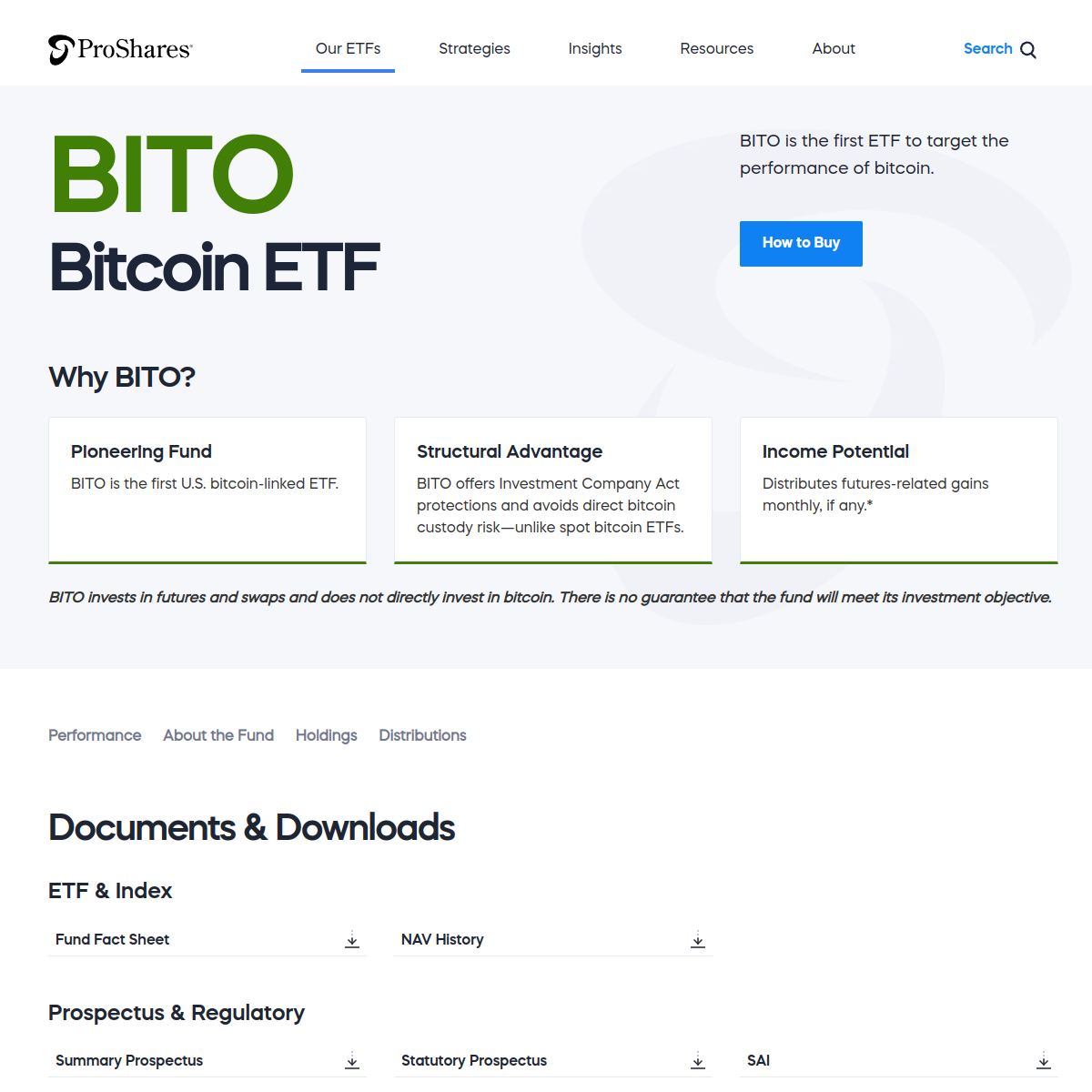
The CME bitcoin futures contract specs are the relevant primary source here because CME contracts are the standardized instruments many of these products use. ProShares’ BITO page is the practical product example on the U.S. market side.
That means the fund’s exposure comes from:
- futures positions
- collateral or cash management
- rolling expiring contracts into later-dated contracts
This structure can work well as a regulated wrapper, but it is not the same as holding spot bitcoin through a trust.
Why Tracking Difference Matters
This is one of the biggest practical differences.
A spot bitcoin ETF is generally easier for investors to understand because the product is built around direct bitcoin holdings. A futures ETF can behave differently from the spot market because futures prices can trade above or below current bitcoin prices, and because expiring positions need to be rolled forward.
That is why the comparison should not stop at “both are bitcoin ETFs.”
If the question is “which one looks more like bitcoin in brokerage form?” the spot structure usually wins.
Roll Costs and Contango
Futures ETFs introduce an issue that spot ETFs do not have in the same way: rolling futures contracts.
When a fund must sell a near-dated contract and buy a later-dated one, the fund’s result can be affected by the futures curve. If later-dated contracts are more expensive, that roll can become a drag on returns over time.
This is the part many beginners miss. A futures ETF can give bitcoin exposure without holding bitcoin, but the path of returns may still differ meaningfully from the spot asset because of contract mechanics.
That is not a niche detail. It is part of product design.
Custody Risk vs Futures-Structure Risk
The product risks are different, not absent.
A spot ETF pushes more attention toward:
- custody
- pricing benchmarks
- trust operations
- creation and redemption mechanics
A futures ETF pushes more attention toward:
- futures-market structure
- roll methodology
- collateral and margin handling
- performance drift relative to the spot asset
So the comparison is not “safe versus risky.” It is “which risk set are you actually choosing?”
Market Access and Regulation
Both products sit inside a regulated securities wrapper, but they do not take the same path.
The SEC’s January 2024 statement matters because it specifically approved the listing and trading of spot bitcoin exchange-traded products. By contrast, bitcoin futures ETFs had already existed because they were tied to the regulated CME futures market.
That difference shaped the market for years:
- futures ETFs were the earlier route to listed bitcoin exposure
- spot ETFs became the cleaner direct-price wrapper once approved
In 2025, the SEC also permitted in-kind creations and redemptions for crypto ETPs, which matters for market efficiency and product operations on the spot side.
Which Product Fits Different Investors?
If you only want a practical chooser:
- choose a spot bitcoin ETF if your main goal is cleaner bitcoin price exposure through a brokerage account
- compare a futures ETF only if you specifically understand and accept futures-structure differences such as roll cost and tracking drift
- compare both if you are evaluating liquidity, issuer, fees, and product mechanics rather than just the word “bitcoin”
For many readers, the spot product is easier to explain and easier to benchmark against bitcoin itself.
What Most Readers Get Wrong
The biggest mistake is assuming that any ETF with “bitcoin” in the name gives the same exposure.
It does not.
The better question is:
“Am I buying bitcoin exposure through direct holdings in a trust, or am I buying exposure through a futures-based structure that may behave differently over time?”
That is the question that helps investors avoid category confusion.
FAQ
Is a spot bitcoin ETF the same as buying bitcoin directly?
No. A spot ETF gives exchange-traded exposure to bitcoin through a trust wrapper. It is generally simpler than direct self-custody, but it is still a security product, not the same as holding bitcoin in your own wallet.
Why can a bitcoin futures ETF underperform spot bitcoin?
Because futures-based products can be affected by contract roll costs, the shape of the futures curve, and fund-structure mechanics that do not apply in the same way to a spot-holding trust.
Which is easier for most investors to understand?
Usually the spot structure, because it maps more directly to the price of bitcoin itself.
Does a futures ETF avoid all crypto-specific risk?
No. It shifts some of the risk from direct custody toward futures-product structure, tracking drift, and roll mechanics.
Final Takeaway
The key difference between a Bitcoin spot ETF and a Bitcoin futures ETF is simple but important.
A spot ETF is usually the cleaner product for investors who want exchange-traded exposure that tracks bitcoin more directly. A futures ETF can still be useful, but it brings contract-roll and performance-drift issues that readers should understand before treating it like a spot substitute.
That is why this comparison matters: the labels sound similar, but the product mechanics are not.
References
- SEC statement on approval of spot bitcoin ETPs, January 10, 2024: https://www.sec.gov/newsroom/speeches-statements/gensler-statement-spot-bitcoin-011023
- Investor.gov bulletin on ETPs providing exposure to bitcoin and ether: https://www.investor.gov/introduction-investing/general-resources/news-alerts/alerts-bulletins/investor-bulletins/ETPBulletinSeptember2024
- iShares Bitcoin Trust ETF page: https://www.ishares.com/us/products/333011/ishares-bitcoin-trust-etf
- ProShares BITO page: https://www.proshares.com/our-etfs/strategic/bito
- CME bitcoin futures contract specs: https://www.cmegroup.com/markets/cryptocurrencies/bitcoin/bitcoin.contractSpecs.html
- SEC press release on in-kind creations and redemptions for crypto ETPs: https://www.sec.gov/newsroom/press-releases/2025-101-sec-permits-kind-creations-redemptions-crypto-etps
Internal Link Opportunities
- spot ethereum ETF vs futures ETF: https://coincu.com/spot-ethereum-etf-vs-ethereum-futures-etf-2/
- spot ethereum ETF vs spot bitcoin ETF: https://coincu.com/ethereum-etf-vs-bitcoin-etf/
- bitcoin without ID page: https://coincu.com/best-places-to-buy-bitcoin-without-id/
Media Plan
Featured image:
- side-by-side visual showing spot holdings versus futures contracts, plus a roll-cost cue
Suggested inline media:
- SEC approval statement screenshot
- IBIT product page capture
- BITO or CME futures page capture
Caption direction:
- emphasize tracking difference and structure, not price prediction
Disclosure
This article is for informational purposes only and does not constitute investment advice. ETF structure, fees, liquidity, and risk characteristics can change, so readers should verify the latest official documents before investing.


- China, US Conclude Trade Talks with Focus on Cooperation
- Crypto Weekly: NYSE Backs OKX, Kraken Gets Fed Access, BTC Sells
- Court Upholds Fed’s Rejection of Custodia Bank’s Request
- Former CFO Convicted for $35M Fraudulent Crypto Investment
- DeriW Launches Edge Hour Trading Competition Platform for Derivatives Traders
- Michael Saylor Denies Bitcoin Sell-Off Amid Large BTC Transfer
- Buy Dogecoin on eToro: Step-by-Step Guide for Beginners (2024)
- Kazakhstan Explores Crypto Reserves Backed by National Funds
- JPMorgan Increases Holdings in BlackRock’s Bitcoin ETF
- Nordea Bank Introduces Bitcoin ETP Trading for Nordic Customers
- XRP Spot ETF Launches on Nasdaq Amid Market Fluctuations
- Peter Schiff Challenges Michael Saylor on MSTR’s Business Model
- Thailand Orders Worldcoin to Delete 1.2 Million Biometric Records
- UK Proposes New DeFi Tax Framework to Ease User Burden
- WLFI Under Fire: Analyst Warns Hyperliquid Could Be Next
- Ancient Ethereum Whale Moves $1.19 Billion After Decade
- BlackRock Receives Large Crypto Transfers from Coinbase
- SEC Scrutiny on ALT5 Sigma’s Leadership Disclosure Timing
- Yala Injects $5.5 Million Amid Recovery Efforts
- Radiant Capital Faces $50M Loss in Major Security Breach
- China, US Conclude Trade Talks with Focus on Cooperation
- Crypto Weekly: NYSE Backs OKX, Kraken Gets Fed Access, BTC Sells
- Court Upholds Fed’s Rejection of Custodia Bank’s Request
- Former CFO Convicted for $35M Fraudulent Crypto Investment
- DeriW Launches Edge Hour Trading Competition Platform for Derivatives Traders
- Michael Saylor Denies Bitcoin Sell-Off Amid Large BTC Transfer
- Buy Dogecoin on eToro: Step-by-Step Guide for Beginners (2024)
- Kazakhstan Explores Crypto Reserves Backed by National Funds
- JPMorgan Increases Holdings in BlackRock’s Bitcoin ETF
- Nordea Bank Introduces Bitcoin ETP Trading for Nordic Customers
- XRP Spot ETF Launches on Nasdaq Amid Market Fluctuations
- Peter Schiff Challenges Michael Saylor on MSTR’s Business Model
- Thailand Orders Worldcoin to Delete 1.2 Million Biometric Records
- UK Proposes New DeFi Tax Framework to Ease User Burden
- WLFI Under Fire: Analyst Warns Hyperliquid Could Be Next
- Ancient Ethereum Whale Moves $1.19 Billion After Decade
- BlackRock Receives Large Crypto Transfers from Coinbase
- SEC Scrutiny on ALT5 Sigma’s Leadership Disclosure Timing
- Yala Injects $5.5 Million Amid Recovery Efforts
- Radiant Capital Faces $50M Loss in Major Security Breach
- China, US Conclude Trade Talks with Focus on Cooperation
- Crypto Weekly: NYSE Backs OKX, Kraken Gets Fed Access, BTC Sells
- Court Upholds Fed’s Rejection of Custodia Bank’s Request
- Former CFO Convicted for $35M Fraudulent Crypto Investment
- DeriW Launches Edge Hour Trading Competition Platform for Derivatives Traders
- Michael Saylor Denies Bitcoin Sell-Off Amid Large BTC Transfer
- Buy Dogecoin on eToro: Step-by-Step Guide for Beginners (2024)
- Kazakhstan Explores Crypto Reserves Backed by National Funds
- JPMorgan Increases Holdings in BlackRock’s Bitcoin ETF
- Nordea Bank Introduces Bitcoin ETP Trading for Nordic Customers
- XRP Spot ETF Launches on Nasdaq Amid Market Fluctuations
- Peter Schiff Challenges Michael Saylor on MSTR’s Business Model
- Thailand Orders Worldcoin to Delete 1.2 Million Biometric Records
- UK Proposes New DeFi Tax Framework to Ease User Burden
- WLFI Under Fire: Analyst Warns Hyperliquid Could Be Next
- Ancient Ethereum Whale Moves $1.19 Billion After Decade
- BlackRock Receives Large Crypto Transfers from Coinbase
- SEC Scrutiny on ALT5 Sigma’s Leadership Disclosure Timing
- Yala Injects $5.5 Million Amid Recovery Efforts
- Radiant Capital Faces $50M Loss in Major Security Breach



Standard Chartered Says Chainlink Underpins Growth in Tokenized Assets
Syntetika Launches Tokenization Hub Bringing Regulated Investment Strategies Onchain
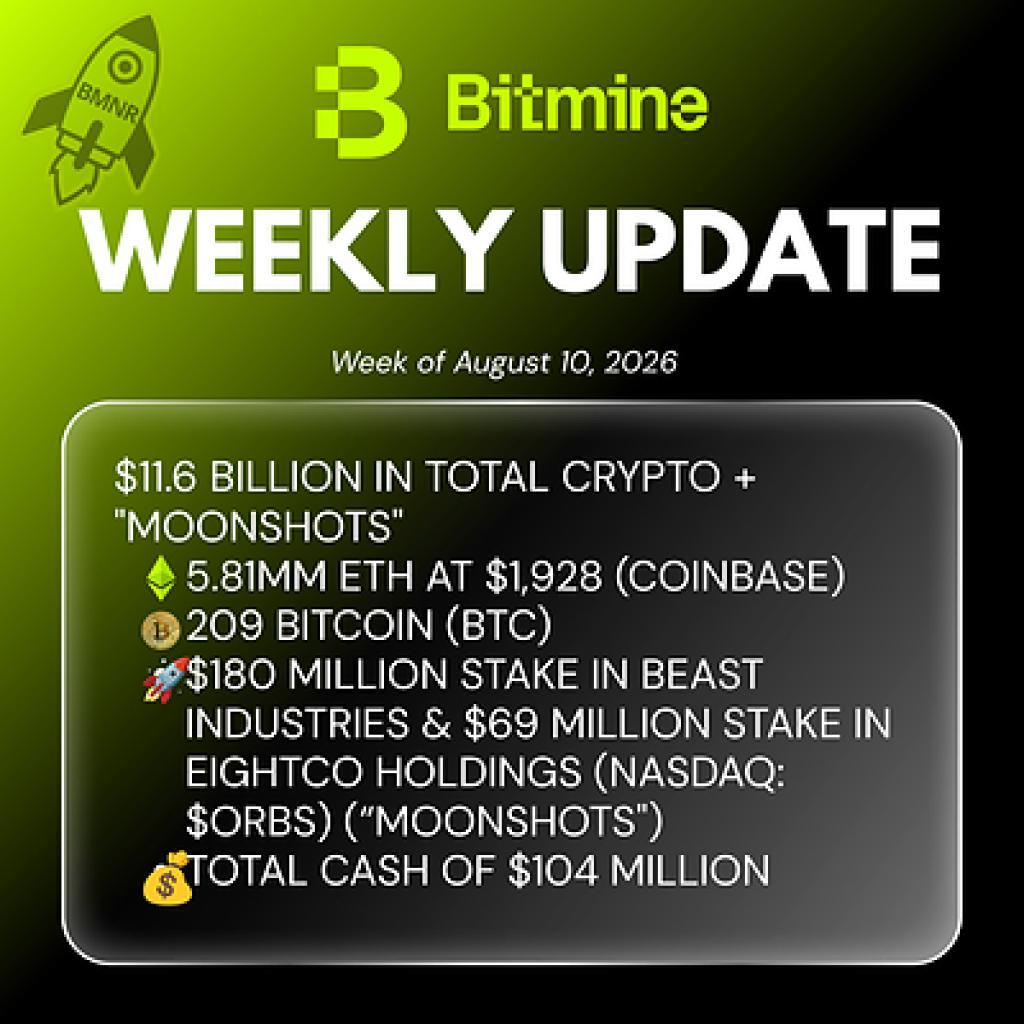
Bitmine Immersion Technologies (BMNR) Announces ETH Holdings Reach 5.81 Million Tokens, and Total Crypto and Total Cash Holdings of $11.6 Billion