On-Chain Tokenized Stock Trading Volume Hits Record $3.86B in June
On-chain tokenized stock trading volume reached a record $3.86 billion in June, marking the highest monthly total ever recorded for blockchain-based equity trading and signaling growing investor appetite for tokenized exposure to traditional markets.
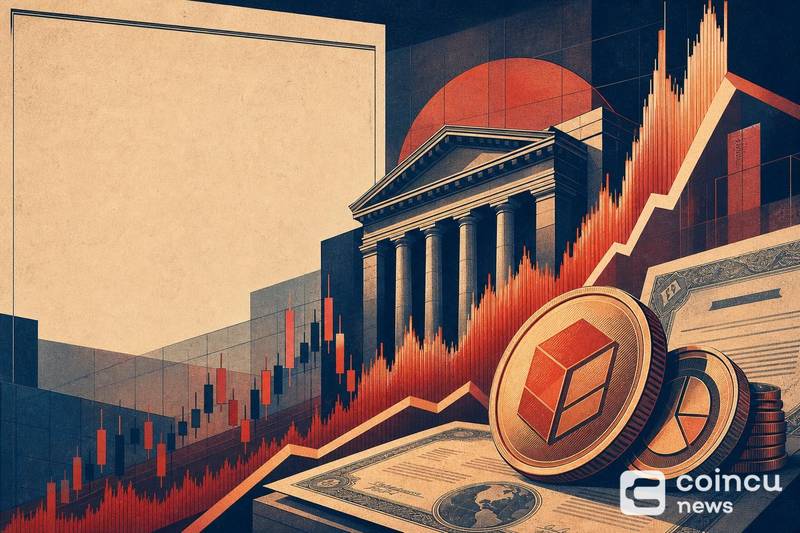
Tokenized stocks are blockchain-native representations of traditional equities, allowing traders to buy and sell fractional shares of publicly listed companies through decentralized protocols. The record figure represents a milestone for the sector, which has been building momentum throughout 2025 and into 2026.
Solana Emerges as a Key Venue for Tokenized Stock Activity
Much of the recent growth in tokenized stock trading has been concentrated on the Solana blockchain, which has become a preferred venue for this category of real-world asset activity. Earlier this year, Solana tokenized stock daily volume hit a record $553 million, previewing the monthly surge that followed.
The broader Solana ecosystem has also seen significant growth in real-world asset tokenization beyond equities. Solana’s total RWA value reached a record $3.62 billion, reflecting the chain’s positioning as a hub for tokenized financial products.
Market observers have noted that rising tokenized stock volumes tend to correlate with broader interest in blockchain-based financial infrastructure. Santiment has suggested that tokenized stock interest could benefit Solana as a network, given the fees and activity these products generate.
Infrastructure Buildout Supports Volume Growth
The record volume did not emerge in isolation. Protocol-level improvements have made tokenized stock trading more accessible and liquid. Ondo launched 24/7 minting and redemption for tokenized stocks and ETFs on Ethereum and BNB Chain, removing friction that previously limited participation to traditional market hours.
These infrastructure developments lower the barrier for both crypto-native traders and traditional investors seeking blockchain-based equity exposure. Continuous minting and redemption means tokenized stocks can respond to global market events in real time, a structural advantage over conventional equity markets.
The combination of better infrastructure and rising demand has created a feedback loop where higher volumes attract more liquidity providers, which in turn supports tighter spreads and greater trading activity.
Why the Record Matters for Tokenized Equities Adoption
A record monthly volume moves tokenized stock trading further away from niche experimentation. Higher sustained volumes improve price discovery, reduce slippage, and make the market more credible to institutional participants evaluating blockchain-based equity products.
The milestone also fits into a broader trend around real-world asset tokenization. Tokenized treasuries, bonds, and credit products have all seen growth in 2025 and 2026, and tokenized equities represent one of the most retail-accessible categories within the RWA space.
For the tokenized equities market to sustain this trajectory, it will need to demonstrate that record months are part of a growth trend rather than isolated spikes driven by concentrated trading activity or short-term speculation. Risk appetite across digital asset markets, as reflected in indicators like the Crypto Fear and Greed Index, can heavily influence whether momentum in tokenized products persists.
Key Risks Behind the Headline Number
A single record month does not confirm sustained long-term growth. Tokenized stock markets remain subject to regulatory uncertainty, particularly in jurisdictions where the legal status of tokenized securities is still being defined. Enforcement actions or new regulatory frameworks could significantly alter the operating environment.
Liquidity depth remains a concern. While aggregate volume figures are headline-worthy, this total is spread across multiple protocols, chains, and individual tokenized assets. Some individual tokenized stocks may still suffer from thin order books and wide spreads, especially for less popular equities.
Volume spikes can also be driven by event-based activity, arbitrage strategies, or promotional incentives rather than organic demand growth. Broader market conditions, including sentiment across major cryptocurrency markets, play a role in determining whether crossover interest in tokenized equities is durable or cyclical.
The interplay between traditional equity market performance and tokenized stock demand adds another layer of complexity. Galaxy’s CEO has previously noted how stock and preferred securities dynamics signal broader market risk, a reminder that tokenized equities inherit risks from both crypto and traditional finance.
FAQ: Tokenized Stock Trading Volume
What are tokenized stocks?
Tokenized stocks are digital representations of traditional company shares, issued and traded on blockchain networks. They allow users to gain exposure to publicly listed equities through decentralized protocols, often with fractional ownership and 24/7 trading availability.
Why does trading volume matter for tokenized equities?
Trading volume is a measure of market activity and liquidity. Higher volumes generally indicate stronger market participation, better price discovery, and reduced transaction costs. For a developing market like tokenized equities, growing volume also signals increasing credibility and adoption.
Does a record month mean mainstream adoption is here?
Not necessarily. Mainstream adoption would require sustained volume growth over multiple months, broader regulatory clarity, and participation from major institutional investors. One record month is a positive signal, not a confirmation of permanent structural change.
Disclaimer: This article is for informational purposes only and does not constitute financial or investment advice. Cryptocurrency and digital asset markets carry significant risk. Always do your own research before making decisions.
No tags available.


Other Posts








- China, US Conclude Trade Talks with Focus on Cooperation
- Court Upholds Fed’s Rejection of Custodia Bank’s Request
- Crypto Weekly: NYSE Backs OKX, Kraken Gets Fed Access, BTC Sells
- Former CFO Convicted for $35M Fraudulent Crypto Investment
- DeriW Launches Edge Hour Trading Competition Platform for Derivatives Traders
- Michael Saylor Denies Bitcoin Sell-Off Amid Large BTC Transfer
- Buy Dogecoin on eToro: Step-by-Step Guide for Beginners (2024)
- Kazakhstan Explores Crypto Reserves Backed by National Funds
- JPMorgan Increases Holdings in BlackRock’s Bitcoin ETF
- Nordea Bank Introduces Bitcoin ETP Trading for Nordic Customers
- XRP Spot ETF Launches on Nasdaq Amid Market Fluctuations
- Peter Schiff Challenges Michael Saylor on MSTR’s Business Model
- Thailand Orders Worldcoin to Delete 1.2 Million Biometric Records
- UK Proposes New DeFi Tax Framework to Ease User Burden
- WLFI Under Fire: Analyst Warns Hyperliquid Could Be Next
- Ancient Ethereum Whale Moves $1.19 Billion After Decade
- BlackRock Receives Large Crypto Transfers from Coinbase
- SEC Scrutiny on ALT5 Sigma’s Leadership Disclosure Timing
- Yala Injects $5.5 Million Amid Recovery Efforts
- Radiant Capital Faces $50M Loss in Major Security Breach
- China, US Conclude Trade Talks with Focus on Cooperation
- Court Upholds Fed’s Rejection of Custodia Bank’s Request
- Crypto Weekly: NYSE Backs OKX, Kraken Gets Fed Access, BTC Sells
- Former CFO Convicted for $35M Fraudulent Crypto Investment
- DeriW Launches Edge Hour Trading Competition Platform for Derivatives Traders
- Michael Saylor Denies Bitcoin Sell-Off Amid Large BTC Transfer
- Buy Dogecoin on eToro: Step-by-Step Guide for Beginners (2024)
- Kazakhstan Explores Crypto Reserves Backed by National Funds
- JPMorgan Increases Holdings in BlackRock’s Bitcoin ETF
- Nordea Bank Introduces Bitcoin ETP Trading for Nordic Customers
- XRP Spot ETF Launches on Nasdaq Amid Market Fluctuations
- Peter Schiff Challenges Michael Saylor on MSTR’s Business Model
- Thailand Orders Worldcoin to Delete 1.2 Million Biometric Records
- UK Proposes New DeFi Tax Framework to Ease User Burden
- WLFI Under Fire: Analyst Warns Hyperliquid Could Be Next
- Ancient Ethereum Whale Moves $1.19 Billion After Decade
- BlackRock Receives Large Crypto Transfers from Coinbase
- SEC Scrutiny on ALT5 Sigma’s Leadership Disclosure Timing
- Yala Injects $5.5 Million Amid Recovery Efforts
- Radiant Capital Faces $50M Loss in Major Security Breach
- China, US Conclude Trade Talks with Focus on Cooperation
- Court Upholds Fed’s Rejection of Custodia Bank’s Request
- Crypto Weekly: NYSE Backs OKX, Kraken Gets Fed Access, BTC Sells
- Former CFO Convicted for $35M Fraudulent Crypto Investment
- DeriW Launches Edge Hour Trading Competition Platform for Derivatives Traders
- Michael Saylor Denies Bitcoin Sell-Off Amid Large BTC Transfer
- Buy Dogecoin on eToro: Step-by-Step Guide for Beginners (2024)
- Kazakhstan Explores Crypto Reserves Backed by National Funds
- JPMorgan Increases Holdings in BlackRock’s Bitcoin ETF
- Nordea Bank Introduces Bitcoin ETP Trading for Nordic Customers
- XRP Spot ETF Launches on Nasdaq Amid Market Fluctuations
- Peter Schiff Challenges Michael Saylor on MSTR’s Business Model
- Thailand Orders Worldcoin to Delete 1.2 Million Biometric Records
- UK Proposes New DeFi Tax Framework to Ease User Burden
- WLFI Under Fire: Analyst Warns Hyperliquid Could Be Next
- Ancient Ethereum Whale Moves $1.19 Billion After Decade
- BlackRock Receives Large Crypto Transfers from Coinbase
- SEC Scrutiny on ALT5 Sigma’s Leadership Disclosure Timing
- Yala Injects $5.5 Million Amid Recovery Efforts
- Radiant Capital Faces $50M Loss in Major Security Breach


Bitcoin’s $116M Self-Custody Wake-Up Call Raises ETF Questions

SafePal Data Breach Exposes Nearly 40,000 Customers’ Order Info
BiggerZ: Building a Fairness-First Crypto Casino, Sportsbook and Prediction Markets Platform
Bitmine Immersion Technologies Announces Record and Payment Dates for Cash Dividends on 9.50% Series A Perpetual Preferred Stock