Tether Says It Completed Big Four Audit of Finances Behind $180B USDT Stablecoin
Tether says it has completed a Big Four audit of the finances behind its USDT stablecoin, the token it reports as circulating at roughly $180 billion. The company framed the engagement as its first full audit and a new quality standard for the digital asset economy.
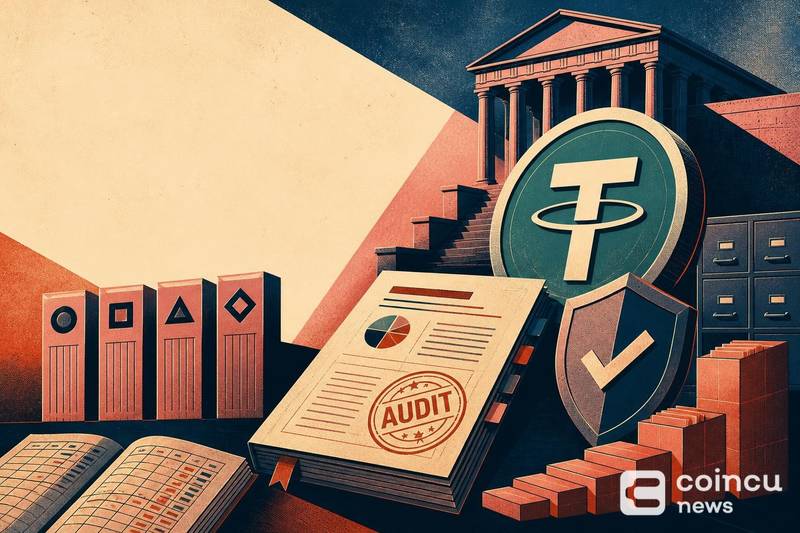
The claim comes directly from Tether, which announced it had signed a Big Four accounting firm to carry out the review, according to the company’s own statement. A “Big Four audit” refers to a full financial audit conducted by one of the four largest global accounting firms, a step beyond the quarterly attestations Tether has previously published. For related coverage, see Upbit to List Conflux (CFX) in KRW, BTC, and USDT Markets.
Tether presents USDT as one of the largest stablecoins in circulation, and the review is tied specifically to the finances backing the token. The distinction matters: an attestation confirms figures at a single point in time, while a full audit applies broader assurance standards to a company’s financial statements. USDT’s scale as a settlement asset is visible across markets, including exchange pairs such as OKX’s spot listings against USDT.
Why Reserve Verification Draws Scrutiny
The core question around any stablecoin is whether each token is backed and redeemable at par. Because USDT settles a large share of trading across exchanges, the credibility of its reserves affects market plumbing well beyond Tether itself.
Questions over Tether’s reserves and audit commitments are long-running, including ongoing scrutiny of its audit timeline and growth targets. The value of a completed audit lies in disclosure quality and reserve verification, not in any short-term move in USDT’s price, which is designed to hold a dollar peg.
What to Look For in the Report Details
An audit announcement is only as meaningful as the report behind it. Readers should confirm the scope of the review, the period it covers, and the composition of the reserves, rather than treating the headline claim alone as verification.
Key specifics to check include how liabilities are measured against assets and the methodology used to establish backing. Tether’s own quarterly reporting has shown reserve figures shift over time, including a period when it reported excess reserves falling by more than $4 billion, underscoring why period and scope matter.
Why the Claim Reaches Beyond Tether
Given USDT’s scale and its role across venues where it trades against major assets, any change in transparency carries relevance for institutional participants and regulators weighing stablecoin oversight. USDT’s reach has expanded through markets such as Russia’s approval of USDT trading alongside Bitcoin and Ethereum.
The significance rests on disclosure and confidence rather than measurable market effect, and the full audit report’s contents will determine how much weight the claim ultimately carries.
FAQ
What is a Big Four audit? It is a full financial audit performed by one of the four largest global accounting firms, applying formal assurance standards to a company’s financials.
Why does the $180 billion figure matter? It reflects the reported scale of USDT in circulation, making the token’s reserves relevant to exchange liquidity and broader market confidence.
What should readers confirm? The published audit’s scope, the period covered, reserve composition, and the methodology used to establish that USDT is fully backed.
Disclaimer: This article is for informational purposes only and does not constitute financial or investment advice. Cryptocurrency and digital asset markets carry significant risk. Always do your own research before making decisions.
No tags available.


Other Posts








- China, US Conclude Trade Talks with Focus on Cooperation
- Court Upholds Fed’s Rejection of Custodia Bank’s Request
- Crypto Weekly: NYSE Backs OKX, Kraken Gets Fed Access, BTC Sells
- Former CFO Convicted for $35M Fraudulent Crypto Investment
- DeriW Launches Edge Hour Trading Competition Platform for Derivatives Traders
- Michael Saylor Denies Bitcoin Sell-Off Amid Large BTC Transfer
- Buy Dogecoin on eToro: Step-by-Step Guide for Beginners (2024)
- Kazakhstan Explores Crypto Reserves Backed by National Funds
- JPMorgan Increases Holdings in BlackRock’s Bitcoin ETF
- Nordea Bank Introduces Bitcoin ETP Trading for Nordic Customers
- XRP Spot ETF Launches on Nasdaq Amid Market Fluctuations
- Peter Schiff Challenges Michael Saylor on MSTR’s Business Model
- Thailand Orders Worldcoin to Delete 1.2 Million Biometric Records
- UK Proposes New DeFi Tax Framework to Ease User Burden
- WLFI Under Fire: Analyst Warns Hyperliquid Could Be Next
- Ancient Ethereum Whale Moves $1.19 Billion After Decade
- BlackRock Receives Large Crypto Transfers from Coinbase
- SEC Scrutiny on ALT5 Sigma’s Leadership Disclosure Timing
- Yala Injects $5.5 Million Amid Recovery Efforts
- Radiant Capital Faces $50M Loss in Major Security Breach
- China, US Conclude Trade Talks with Focus on Cooperation
- Court Upholds Fed’s Rejection of Custodia Bank’s Request
- Crypto Weekly: NYSE Backs OKX, Kraken Gets Fed Access, BTC Sells
- Former CFO Convicted for $35M Fraudulent Crypto Investment
- DeriW Launches Edge Hour Trading Competition Platform for Derivatives Traders
- Michael Saylor Denies Bitcoin Sell-Off Amid Large BTC Transfer
- Buy Dogecoin on eToro: Step-by-Step Guide for Beginners (2024)
- Kazakhstan Explores Crypto Reserves Backed by National Funds
- JPMorgan Increases Holdings in BlackRock’s Bitcoin ETF
- Nordea Bank Introduces Bitcoin ETP Trading for Nordic Customers
- XRP Spot ETF Launches on Nasdaq Amid Market Fluctuations
- Peter Schiff Challenges Michael Saylor on MSTR’s Business Model
- Thailand Orders Worldcoin to Delete 1.2 Million Biometric Records
- UK Proposes New DeFi Tax Framework to Ease User Burden
- WLFI Under Fire: Analyst Warns Hyperliquid Could Be Next
- Ancient Ethereum Whale Moves $1.19 Billion After Decade
- BlackRock Receives Large Crypto Transfers from Coinbase
- SEC Scrutiny on ALT5 Sigma’s Leadership Disclosure Timing
- Yala Injects $5.5 Million Amid Recovery Efforts
- Radiant Capital Faces $50M Loss in Major Security Breach
- China, US Conclude Trade Talks with Focus on Cooperation
- Court Upholds Fed’s Rejection of Custodia Bank’s Request
- Crypto Weekly: NYSE Backs OKX, Kraken Gets Fed Access, BTC Sells
- Former CFO Convicted for $35M Fraudulent Crypto Investment
- DeriW Launches Edge Hour Trading Competition Platform for Derivatives Traders
- Michael Saylor Denies Bitcoin Sell-Off Amid Large BTC Transfer
- Buy Dogecoin on eToro: Step-by-Step Guide for Beginners (2024)
- Kazakhstan Explores Crypto Reserves Backed by National Funds
- JPMorgan Increases Holdings in BlackRock’s Bitcoin ETF
- Nordea Bank Introduces Bitcoin ETP Trading for Nordic Customers
- XRP Spot ETF Launches on Nasdaq Amid Market Fluctuations
- Peter Schiff Challenges Michael Saylor on MSTR’s Business Model
- Thailand Orders Worldcoin to Delete 1.2 Million Biometric Records
- UK Proposes New DeFi Tax Framework to Ease User Burden
- WLFI Under Fire: Analyst Warns Hyperliquid Could Be Next
- Ancient Ethereum Whale Moves $1.19 Billion After Decade
- BlackRock Receives Large Crypto Transfers from Coinbase
- SEC Scrutiny on ALT5 Sigma’s Leadership Disclosure Timing
- Yala Injects $5.5 Million Amid Recovery Efforts
- Radiant Capital Faces $50M Loss in Major Security Breach

Tether Says It Completed Big Four Audit of Finances Behind $180B USDT Stablecoin

Citigroup CEO Wants Clarity Act Progress Amid Stablecoin Debate

Ether.fi Adds Tokenized Stocks and Portfolio-Backed Loans to DeFi Platform


Pepperstone Appoints New CTO to Drive AI-Native Proprietary Tech Push