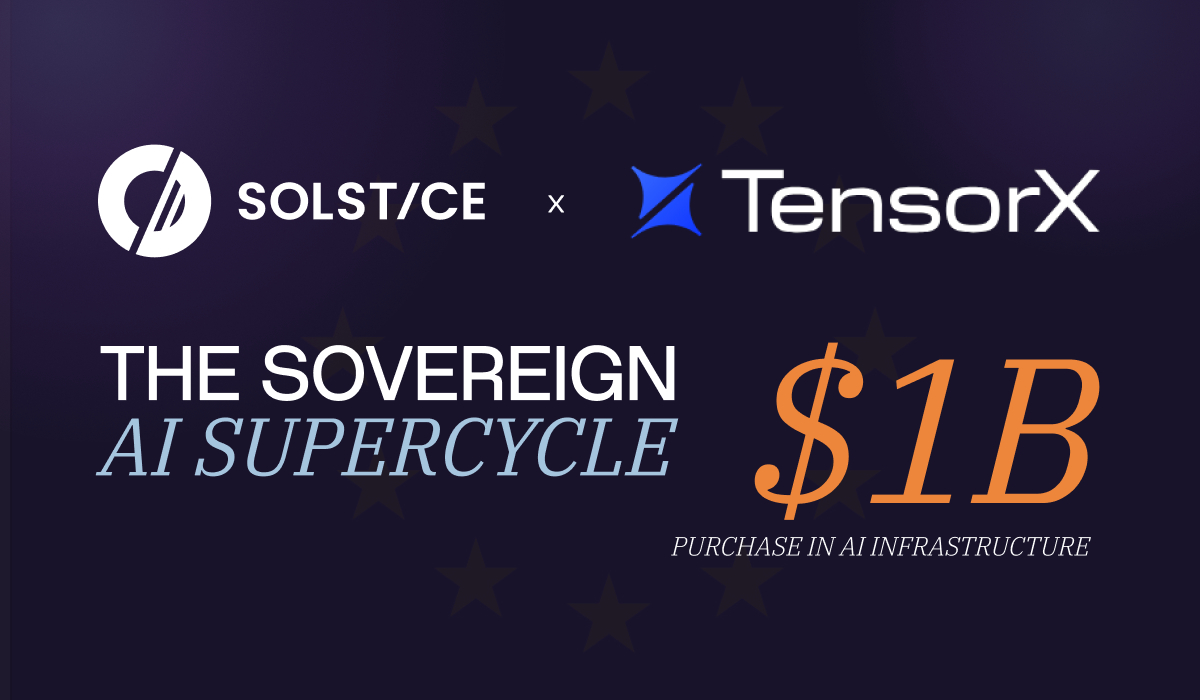
Blockchain analytics firm Santiment has suggested that growing interest in tokenized stocks could benefit Solana, pointing to a connection between tokenized equity activity and demand for the SOL token itself.
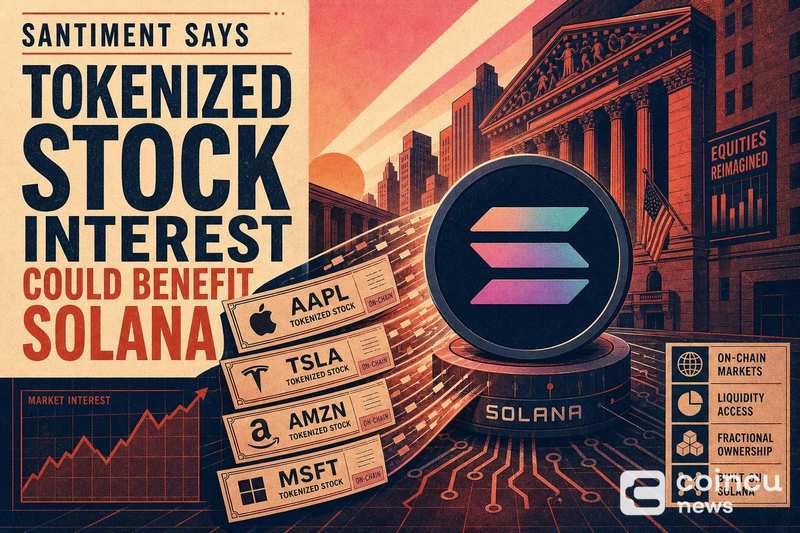
The thesis, outlined in a Santiment insight report, centers on the idea that tokenized stock trading activity on the Solana blockchain generates network usage that feeds back into demand for SOL as the chain’s native asset. For related coverage, see Coinbase Says It Cut AI Spending Nearly 50% by Testing Open-Weight Models.
What Santiment Claimed About Tokenized Stocks and Solana
Santiment’s analysis focused specifically on the relationship between tokenized equity products built on Solana and the performance of SOL. The firm’s core argument is that as more users trade tokenized versions of traditional stocks on Solana-based platforms, the resulting transaction volume and user activity create organic demand for the network’s native token.
Tokenized stocks are blockchain-based representations of traditional equities. They allow users to trade fractional shares of publicly listed companies on decentralized infrastructure, settling transactions on-chain rather than through conventional brokerage systems. Platforms such as xStocks have emerged to facilitate this activity on Solana specifically.
The Core Claim and Its Scope
Santiment’s position is a narrative signal rather than a confirmed market outcome. The firm is observing a correlation between tokenized stock interest and SOL activity, not establishing a proven causal relationship with specific price targets or adoption milestones.
This distinction matters for readers evaluating the claim. Santiment is a data analytics provider that tracks on-chain and social metrics. Its insights reflect observed patterns in blockchain data and social sentiment, which can inform trading decisions but do not constitute market forecasts.
Why Tokenized Equities Could Act as a Tailwind for Solana
The mechanism Santiment describes is straightforward. Every tokenized stock trade executed on Solana requires SOL for transaction fees. As trading volume in tokenized equities grows, so does the base-layer demand for SOL to pay for gas, creating a structural link between equity tokenization adoption and SOL utility.
Beyond direct fee consumption, tokenized stock activity can drive broader ecosystem engagement. Users who arrive on Solana to trade tokenized equities may interact with other DeFi protocols, increasing total value locked and liquidity across the chain. This mirrors how sharp rallies in Solana-based tokens have historically coincided with broader network activity spikes.
Transaction Activity as the Most Direct Benefit
The most credible path from tokenized stock interest to SOL value runs through transaction counts and fee revenue. Solana’s low-cost, high-throughput architecture makes it a natural fit for high-frequency equity trading, where users expect near-instant settlement at minimal cost.
If tokenized stock platforms attract meaningful trading volume, Solana would see increased validator revenue and higher network utilization rates. These are measurable on-chain metrics that would validate Santiment’s thesis in concrete terms, unlike sentiment-based indicators alone.
What Needs Verification Before the Bullish Case Holds
Santiment’s claim remains partially verified at this stage. Several critical data points that would confirm or deny the thesis are not yet established in publicly available analysis.
No specific price reaction data, tokenized stock trading volume figures, or user adoption metrics were confirmed in the materials supporting this report. The connection between tokenized equity interest and SOL performance, while logically sound, lacks the quantitative backing needed to treat it as an investment thesis.
Metrics That Would Validate the Thesis
Readers tracking this narrative should watch for three concrete indicators. First, daily transaction counts on Solana-based tokenized stock platforms would show whether user adoption is actually growing or stagnant.
Second, the share of Solana network fees attributable to tokenized equity trading would reveal whether this use case is a meaningful contributor to chain economics or a rounding error. Third, correlation data between tokenized stock volume spikes and SOL price movements would test whether the feedback loop Santiment describes is operating in practice.
Without these metrics, the thesis remains a plausible narrative rather than a data-backed conclusion. Santiment’s observation is worth monitoring, but analytics firms’ readings of on-chain data require market confirmation before they translate into actionable signals.
How Tokenized Stocks Fit Solana’s Positioning
Solana has increasingly positioned itself as infrastructure for on-chain finance, competing with Ethereum and layer-2 networks for DeFi market share. Tokenized equities represent a natural extension of this positioning, bridging traditional finance and blockchain-native trading.
The tokenized stock narrative aligns with broader institutional interest in bringing real-world assets on-chain. If Solana captures a meaningful share of this market, it would diversify the chain’s use cases beyond memecoins and decentralized exchange trading, which have driven much of its recent activity.
This development sits within a wider market environment where crypto projects are increasingly evaluated on real utility rather than speculative momentum. As industry leaders assess the trajectory of major crypto assets, use-case expansion through tokenized equities could strengthen Solana’s fundamental case.
FAQ About Santiment’s Solana and Tokenized Stock Thesis
What Are Tokenized Stocks?
Tokenized stocks are digital tokens on a blockchain that represent ownership of, or exposure to, traditional publicly traded company shares. They allow users to trade equity-like instruments using crypto wallets and decentralized platforms rather than conventional brokerage accounts.
Why Could Solana Specifically Benefit From Tokenized Stock Growth?
Solana’s high throughput and low transaction costs make it suitable for frequent equity trading. Every trade on a Solana-based tokenized stock platform requires SOL for fees, creating direct demand for the native token as trading volume increases.
Is Santiment’s Claim Already Proven?
No. Santiment has identified a potential relationship between tokenized stock interest and SOL demand, but the thesis lacks confirmed volume data, adoption metrics, and price correlation analysis. It should be treated as an early-stage observation, not a verified market dynamic. Readers evaluating bullish claims about crypto assets should look for on-chain data confirming any narrative before acting on it.
Disclaimer: This article is for informational purposes only and does not constitute financial or investment advice. Cryptocurrency and digital asset markets carry significant risk. Always do your own research before making decisions.
No tags available.


Other Posts







- China, US Conclude Trade Talks with Focus on Cooperation
- Crypto Weekly: NYSE Backs OKX, Kraken Gets Fed Access, BTC Sells
- DeriW Launches Edge Hour Trading Competition Platform for Derivatives Traders
- Court Upholds Fed’s Rejection of Custodia Bank’s Request
- Former CFO Convicted for $35M Fraudulent Crypto Investment
- Michael Saylor Denies Bitcoin Sell-Off Amid Large BTC Transfer
- Buy Dogecoin on eToro: Step-by-Step Guide for Beginners (2024)
- Kazakhstan Explores Crypto Reserves Backed by National Funds
- JPMorgan Increases Holdings in BlackRock’s Bitcoin ETF
- Nordea Bank Introduces Bitcoin ETP Trading for Nordic Customers
- XRP Spot ETF Launches on Nasdaq Amid Market Fluctuations
- Crypto Leaders Address Macro Volatility Amid Market Shifts
- Peter Schiff Challenges Michael Saylor on MSTR’s Business Model
- Thailand Orders Worldcoin to Delete 1.2 Million Biometric Records
- UK Proposes New DeFi Tax Framework to Ease User Burden
- WLFI Under Fire: Analyst Warns Hyperliquid Could Be Next
- Ancient Ethereum Whale Moves $1.19 Billion After Decade
- BlackRock Receives Large Crypto Transfers from Coinbase
- SEC Scrutiny on ALT5 Sigma’s Leadership Disclosure Timing
- MoonPay Gains Trust License for Crypto Operations in New York
- China, US Conclude Trade Talks with Focus on Cooperation
- Crypto Weekly: NYSE Backs OKX, Kraken Gets Fed Access, BTC Sells
- DeriW Launches Edge Hour Trading Competition Platform for Derivatives Traders
- Court Upholds Fed’s Rejection of Custodia Bank’s Request
- Former CFO Convicted for $35M Fraudulent Crypto Investment
- Michael Saylor Denies Bitcoin Sell-Off Amid Large BTC Transfer
- Buy Dogecoin on eToro: Step-by-Step Guide for Beginners (2024)
- Kazakhstan Explores Crypto Reserves Backed by National Funds
- JPMorgan Increases Holdings in BlackRock’s Bitcoin ETF
- Nordea Bank Introduces Bitcoin ETP Trading for Nordic Customers
- XRP Spot ETF Launches on Nasdaq Amid Market Fluctuations
- Crypto Leaders Address Macro Volatility Amid Market Shifts
- Peter Schiff Challenges Michael Saylor on MSTR’s Business Model
- Thailand Orders Worldcoin to Delete 1.2 Million Biometric Records
- UK Proposes New DeFi Tax Framework to Ease User Burden
- WLFI Under Fire: Analyst Warns Hyperliquid Could Be Next
- Ancient Ethereum Whale Moves $1.19 Billion After Decade
- BlackRock Receives Large Crypto Transfers from Coinbase
- SEC Scrutiny on ALT5 Sigma’s Leadership Disclosure Timing
- MoonPay Gains Trust License for Crypto Operations in New York
- China, US Conclude Trade Talks with Focus on Cooperation
- Crypto Weekly: NYSE Backs OKX, Kraken Gets Fed Access, BTC Sells
- DeriW Launches Edge Hour Trading Competition Platform for Derivatives Traders
- Court Upholds Fed’s Rejection of Custodia Bank’s Request
- Former CFO Convicted for $35M Fraudulent Crypto Investment
- Michael Saylor Denies Bitcoin Sell-Off Amid Large BTC Transfer
- Buy Dogecoin on eToro: Step-by-Step Guide for Beginners (2024)
- Kazakhstan Explores Crypto Reserves Backed by National Funds
- JPMorgan Increases Holdings in BlackRock’s Bitcoin ETF
- Nordea Bank Introduces Bitcoin ETP Trading for Nordic Customers
- XRP Spot ETF Launches on Nasdaq Amid Market Fluctuations
- Crypto Leaders Address Macro Volatility Amid Market Shifts
- Peter Schiff Challenges Michael Saylor on MSTR’s Business Model
- Thailand Orders Worldcoin to Delete 1.2 Million Biometric Records
- UK Proposes New DeFi Tax Framework to Ease User Burden
- WLFI Under Fire: Analyst Warns Hyperliquid Could Be Next
- Ancient Ethereum Whale Moves $1.19 Billion After Decade
- BlackRock Receives Large Crypto Transfers from Coinbase
- SEC Scrutiny on ALT5 Sigma’s Leadership Disclosure Timing
- MoonPay Gains Trust License for Crypto Operations in New York

Swan CEO Says Bitcoin Has 10% to 15% Odds of a New All-Time High in 2026

Brother Machi Tweets Fuel Machi Meme Coin Rally as Related Tokens Jump 235%

Toss Brings 30 Million Users Into the AI Data Economy in Partnership With Poseidon

The DATA Foundation Launches to Tackle AI’s Multi-Billion Dollar Training Data Bottleneck