Binance Life Wallet Sends 3.5M Tokens to Binance After $12.38M Run
A wallet address that reportedly turned $2,480 into $12.38 million trading the BNB Chain token Binance Life has transferred 3.5 million tokens to Binance, drawing attention from traders monitoring large holder movements for signs of potential selling pressure.
What the 3.5 Million Token Transfer Signals
The address moved 3.5 million Binance Life tokens directly to a Binance deposit wallet. Exchange-bound transfers from profitable wallets are closely tracked because they can precede liquidation, though they can also reflect portfolio rebalancing or liquidity management.
The wallet’s trajectory, from an initial position worth roughly $2,480 to an unrealized value of $12.38 million, represents a return exceeding 499,000%. That scale of profit makes any movement from the address a potential market-moving event for the token.
Binance Life, listed on CoinGecko under the ticker symbol associated with the Bianrensheng token page, trades on BNB Chain. The token’s contract can be viewed on BscScan, where recent transfer activity is publicly auditable.
How the Address Built a $12.38 Million Position
The wallet’s gains appear to stem from early accumulation of Binance Life tokens at extremely low prices, followed by sharp appreciation as the token gained traction. An entry cost of $2,480 suggests the holder acquired tokens before meaningful liquidity or price discovery had occurred.
Concentrated exposure to a single low-cap token explains both the magnitude of the return and the outsized attention the wallet now receives. A position of this size relative to the token’s overall market can exert significant influence on price action if unwound rapidly.
This type of early-stage accumulation pattern is common among wallets that later become closely watched by on-chain analysts. The recent transfer of 3.5 million tokens, while substantial, may represent only a fraction of the address’s total holdings.
Why a Binance Deposit Matters for Price Action
Transfer Risk vs. Confirmed Selling
A deposit to a centralized exchange does not confirm a sale. Tokens can sit in exchange wallets for days or weeks before any trading occurs, and some holders deposit tokens for purposes other than immediate liquidation.
However, the fact that this particular wallet has accumulated extraordinary unrealized gains raises the probability that at least partial profit-taking is the motivation. Traders tracking the address will be watching for corresponding sell orders in Binance’s spot order book.
Potential Liquidity Effects
For lower-capitalization tokens like Binance Life, a single large sell order can meaningfully affect the bid side of the order book. If the 3.5 million tokens were sold at market, the price impact would depend on the depth of buy-side liquidity at current levels.
The broader trend of Binance expanding its futures offerings reflects growing exchange activity, though Binance Life itself remains a smaller-cap token outside the major trading pairs.
Sentiment Response
Large holder movements often trigger a sentiment shift before any actual sale is confirmed. Traders who spot the deposit on block explorers may front-run anticipated selling pressure, creating a self-reinforcing price decline even if the original holder never executes a trade.
This dynamic is especially pronounced in tokens where a small number of wallets hold a disproportionate share of supply. News of whale deposits has historically preceded short-term drawdowns in similar low-cap tokens.
Key Signals Traders Should Watch Next
The most immediate indicator is whether the deposited tokens remain idle on Binance or appear as sell orders. Monitoring the Binance Life order book for unusual sell-side depth at or near current prices would provide the earliest confirmation of distribution intent.
Follow-up transfers from the same wallet deserve equal attention. If additional batches move to exchange addresses, the probability of systematic profit-taking increases. Conversely, if the remaining balance stays untouched, the initial transfer may have been an isolated event.
Spot market volume in the hours and days following the deposit will also reveal whether broader market participants are reacting. A volume spike without corresponding price decline could indicate that buy-side demand is absorbing the potential supply, while thin volume alongside price weakness would suggest the opposite.
In a market environment where major crypto products have seen significant outflows and retail participation trends are shifting, individual token movements like this carry additional weight as indicators of holder conviction.
FAQ About the Binance Life Wallet Transfer
Does the transfer confirm that the wallet is selling?
No. A deposit to Binance places tokens in a position where they can be sold, but it does not confirm an executed trade. The holder may be repositioning, providing liquidity, or preparing for a future decision. Only confirmed sell orders or a declining wallet balance paired with exchange outflows would indicate actual liquidation.
Why do Binance deposits matter to traders?
Centralized exchange deposits are one of the few observable signals that a holder may be preparing to sell. Since on-chain transactions are public, large deposits from known profitable wallets act as an early warning system for potential supply increases hitting the market.
What made this wallet notable in the first place?
The address gained attention for turning a position worth approximately $2,480 into an unrealized value of $12.38 million by holding Binance Life tokens acquired at very early-stage prices. The scale of the return, roughly 499,000%, placed the wallet among the most profitable addresses associated with the token.
Disclaimer: This article is for informational purposes only and does not constitute financial or investment advice. Cryptocurrency and digital asset markets carry significant risk. Always do your own research before making decisions.
No tags available.


Other Posts








- China, US Conclude Trade Talks with Focus on Cooperation
- Crypto Weekly: NYSE Backs OKX, Kraken Gets Fed Access, BTC Sells
- DeriW Launches Edge Hour Trading Competition Platform for Derivatives Traders
- Court Upholds Fed’s Rejection of Custodia Bank’s Request
- Former CFO Convicted for $35M Fraudulent Crypto Investment
- Michael Saylor Denies Bitcoin Sell-Off Amid Large BTC Transfer
- Buy Dogecoin on eToro: Step-by-Step Guide for Beginners (2024)
- Kazakhstan Explores Crypto Reserves Backed by National Funds
- JPMorgan Increases Holdings in BlackRock’s Bitcoin ETF
- Nordea Bank Introduces Bitcoin ETP Trading for Nordic Customers
- XRP Spot ETF Launches on Nasdaq Amid Market Fluctuations
- Crypto Leaders Address Macro Volatility Amid Market Shifts
- Peter Schiff Challenges Michael Saylor on MSTR’s Business Model
- Thailand Orders Worldcoin to Delete 1.2 Million Biometric Records
- UK Proposes New DeFi Tax Framework to Ease User Burden
- WLFI Under Fire: Analyst Warns Hyperliquid Could Be Next
- Ancient Ethereum Whale Moves $1.19 Billion After Decade
- BlackRock Receives Large Crypto Transfers from Coinbase
- SEC Scrutiny on ALT5 Sigma’s Leadership Disclosure Timing
- MoonPay Gains Trust License for Crypto Operations in New York
- China, US Conclude Trade Talks with Focus on Cooperation
- Crypto Weekly: NYSE Backs OKX, Kraken Gets Fed Access, BTC Sells
- DeriW Launches Edge Hour Trading Competition Platform for Derivatives Traders
- Court Upholds Fed’s Rejection of Custodia Bank’s Request
- Former CFO Convicted for $35M Fraudulent Crypto Investment
- Michael Saylor Denies Bitcoin Sell-Off Amid Large BTC Transfer
- Buy Dogecoin on eToro: Step-by-Step Guide for Beginners (2024)
- Kazakhstan Explores Crypto Reserves Backed by National Funds
- JPMorgan Increases Holdings in BlackRock’s Bitcoin ETF
- Nordea Bank Introduces Bitcoin ETP Trading for Nordic Customers
- XRP Spot ETF Launches on Nasdaq Amid Market Fluctuations
- Crypto Leaders Address Macro Volatility Amid Market Shifts
- Peter Schiff Challenges Michael Saylor on MSTR’s Business Model
- Thailand Orders Worldcoin to Delete 1.2 Million Biometric Records
- UK Proposes New DeFi Tax Framework to Ease User Burden
- WLFI Under Fire: Analyst Warns Hyperliquid Could Be Next
- Ancient Ethereum Whale Moves $1.19 Billion After Decade
- BlackRock Receives Large Crypto Transfers from Coinbase
- SEC Scrutiny on ALT5 Sigma’s Leadership Disclosure Timing
- MoonPay Gains Trust License for Crypto Operations in New York
- China, US Conclude Trade Talks with Focus on Cooperation
- Crypto Weekly: NYSE Backs OKX, Kraken Gets Fed Access, BTC Sells
- DeriW Launches Edge Hour Trading Competition Platform for Derivatives Traders
- Court Upholds Fed’s Rejection of Custodia Bank’s Request
- Former CFO Convicted for $35M Fraudulent Crypto Investment
- Michael Saylor Denies Bitcoin Sell-Off Amid Large BTC Transfer
- Buy Dogecoin on eToro: Step-by-Step Guide for Beginners (2024)
- Kazakhstan Explores Crypto Reserves Backed by National Funds
- JPMorgan Increases Holdings in BlackRock’s Bitcoin ETF
- Nordea Bank Introduces Bitcoin ETP Trading for Nordic Customers
- XRP Spot ETF Launches on Nasdaq Amid Market Fluctuations
- Crypto Leaders Address Macro Volatility Amid Market Shifts
- Peter Schiff Challenges Michael Saylor on MSTR’s Business Model
- Thailand Orders Worldcoin to Delete 1.2 Million Biometric Records
- UK Proposes New DeFi Tax Framework to Ease User Burden
- WLFI Under Fire: Analyst Warns Hyperliquid Could Be Next
- Ancient Ethereum Whale Moves $1.19 Billion After Decade
- BlackRock Receives Large Crypto Transfers from Coinbase
- SEC Scrutiny on ALT5 Sigma’s Leadership Disclosure Timing
- MoonPay Gains Trust License for Crypto Operations in New York


South Korea Crypto Tax Petition Tops 58,000, Moves to Legislative Review

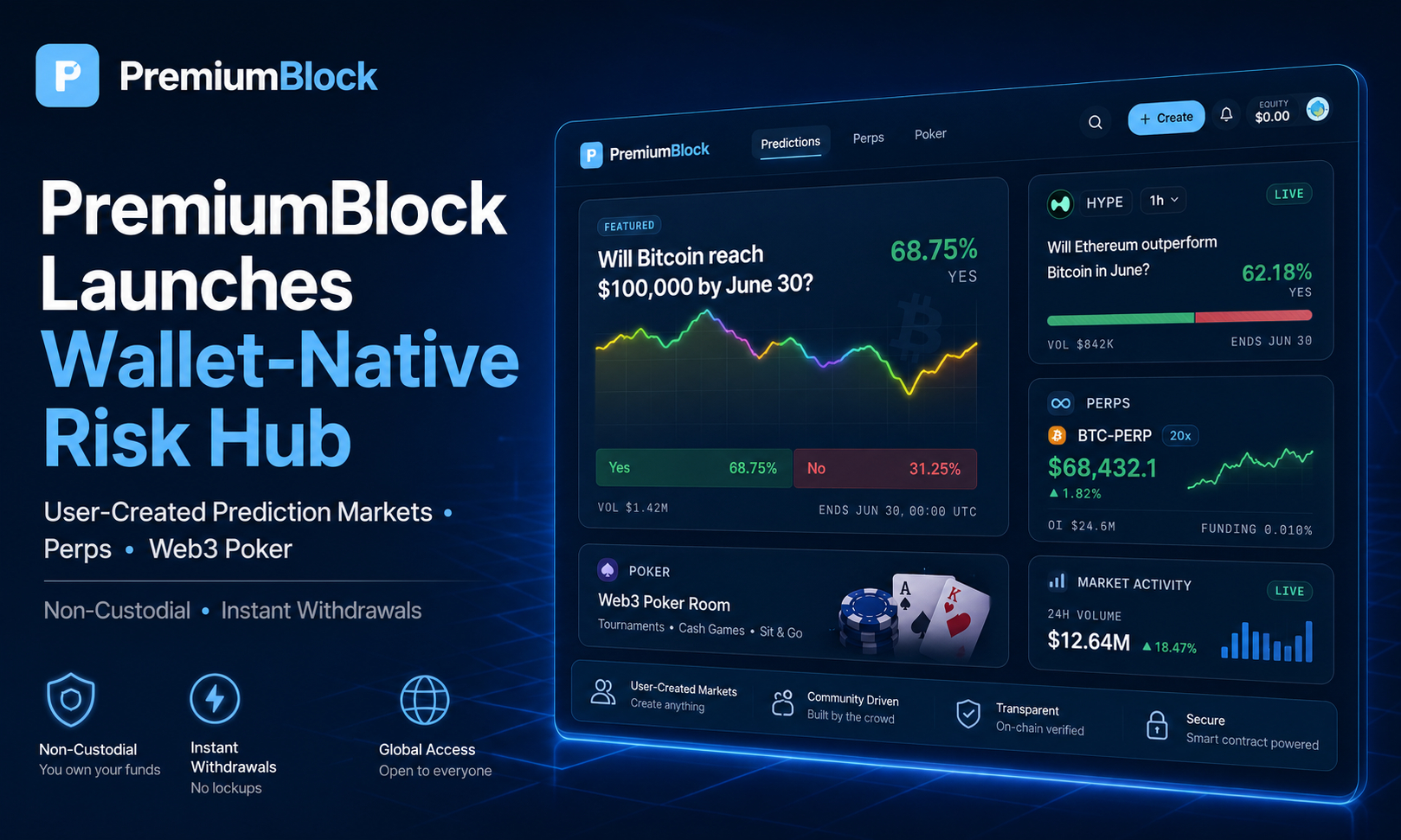
PremiumBlock Launches Non-Custodial Risk Hub for User-Created Prediction Markets, Perps and Web3 Poker