The Crypto Fear & Greed Index has dropped to 13, a reading that falls deep into the “extreme fear” band and reflects widespread panic across digital asset markets.
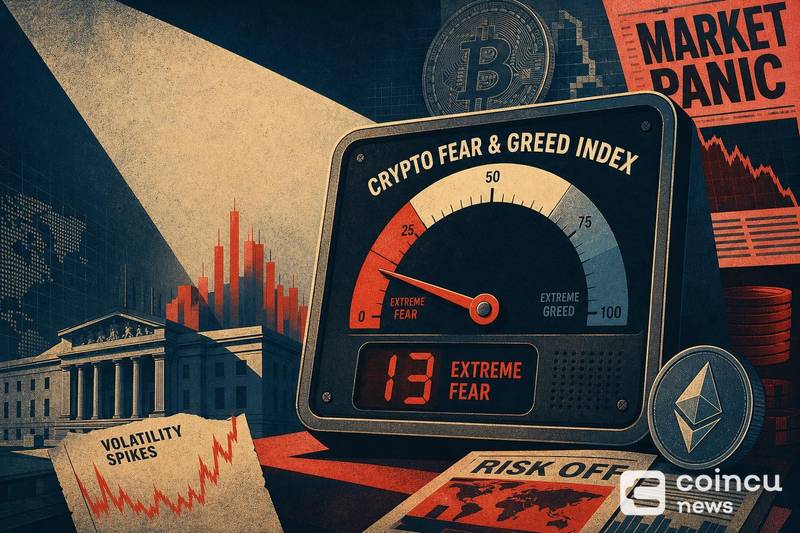
The index, maintained by Alternative.me, measures crypto market sentiment on a scale from 0 to 100. Scores between 0 and 24 are classified as “extreme fear,” while readings above 75 signal “extreme greed.”
A reading of 13 places current sentiment near the lowest end of that extreme fear zone, suggesting that traders and investors are in a state of acute risk aversion.
What a reading of 13 actually measures
The Fear & Greed Index aggregates several market inputs: price volatility, trading momentum and volume, social media activity, Bitcoin dominance, and broader search trends. Each factor is weighted to produce a single daily score.
A score of 13 means that most of these inputs are flashing caution simultaneously. It is not a single metric spiking but a convergence of negative signals across multiple dimensions of market behavior.
What is confirmed versus what remains interpretive
The confirmed fact is the index value itself. What it does not confirm is whether the market has reached a bottom. Sentiment readings reflect current emotional positioning, not future price direction. Traders who treat a low reading as an automatic buy signal without corroborating evidence risk catching a falling knife.
Market conditions behind the panic reading
Extreme fear readings typically emerge when Bitcoin experiences sharp drawdowns, volatility spikes, or sustained downward momentum. The index methodology weights recent price action heavily, meaning that a rapid decline in Bitcoin’s price can drag the composite score into panic territory within days.
Bitcoin’s role in setting broad sentiment
Bitcoin remains the primary driver of the Fear & Greed Index. Because Bitcoin dominance is itself one of the index inputs, and because most altcoins correlate with BTC price action, a sharp move lower in Bitcoin tends to cascade across the entire sentiment measurement framework.
When Bitcoin sells off, it often triggers liquidations in leveraged positions across exchanges. These forced liquidations can accelerate the decline and push sentiment even lower, creating a feedback loop between price, leverage, and fear.
How altcoin and leverage conditions intensify panic
Altcoins typically fall harder than Bitcoin during broad market selloffs, which amplifies the sense of panic among retail traders who hold smaller-cap tokens. Open interest in perpetual futures contracts, when elevated heading into a decline, can lead to cascading liquidations that deepen the drawdown.
This dynamic is particularly relevant in environments where traders have built up significant leverage. The unwinding of those positions contributes to the kind of broad-based stress that pushes the index into single-digit or low-teens territory.
Why a 13 reading draws attention from traders and institutions
Extreme fear readings have historically coincided with significant market inflection points, though not always immediate ones. According to reporting from Crypto.News, past instances where the index fell to 13 have aligned with periods that eventually marked local bottoms.
That historical pattern is worth noting, but it carries important caveats. The sample size of readings at or near 13 is small, and each episode occurred under different macro conditions. Past alignment with bottoms does not guarantee a repeat.
Sentiment extremes versus actual price follow-through
Not every extreme fear reading has been followed by a swift recovery. Some have preceded extended periods of sideways trading or further declines before any meaningful rebound materialized. The timing gap between a panic reading and an actual trend reversal can stretch from days to months.
For institutional participants, the index reading is one data point among many. Portfolio managers and risk desks are more likely to weigh macro factors, including interest rate expectations, regulatory developments, and cross-asset correlations, than a sentiment gauge alone.
The recent growth of institutional infrastructure in crypto, including developments like exchanges partnering with traditional payment networks, has not insulated the market from sharp sentiment swings. Institutional presence may dampen volatility over time but does not eliminate it.
Macro and structural conditions matter more than the index alone
A fear reading of 13 in an environment of monetary policy easing and improving liquidity conditions carries a different implication than the same reading during a tightening cycle or a regulatory crackdown. Context determines whether extreme fear represents a buying opportunity or an early warning of deeper stress.
Broader adoption initiatives, such as Web3 education programs expanding into major financial centers, suggest long-term infrastructure building continues regardless of short-term sentiment. But these developments operate on a different timeline than daily index readings.
What to watch before calling a sentiment reset
The most immediate signal will be the index itself over the coming days. A single-day reading of 13 that rebounds to 25 or higher within a week would suggest a temporary shock rather than sustained panic. Consecutive days below 20 would indicate deeper structural fear.
Bitcoin’s price action around key support levels will serve as the primary confirmation or denial of a sentiment shift. Volume patterns matter as well: a recovery on rising volume carries more conviction than a bounce on thin trading.
Short-term rebounds versus durable trend reversals
Traders often distinguish between a “dead cat bounce,” where prices briefly recover before resuming their decline, and a genuine trend reversal supported by improving fundamentals and renewed demand. The Fear & Greed Index can spike back toward neutral territory during relief rallies without signaling a true change in market structure.
Durable reversals from extreme fear typically require a catalyst: a policy shift, a major institutional announcement, or a technical breakout that triggers renewed momentum. Without such a catalyst, rebounds from panic readings often fade.
Developments in on-chain privacy infrastructure, such as new privacy-focused tools for institutional on-chain finance, could play a role in longer-term sentiment recovery if they address institutional concerns about blockchain transparency requirements.
What remains unclear
The research supporting this analysis is limited. Specific price levels, exact volume figures, and detailed breakdowns of what drove each index input to its current level are not available from verified sources at the time of writing. Traders should consult real-time data from market data aggregators for the latest figures before making positioning decisions.
FAQ: Crypto Fear & Greed Index and extreme panic
How is the Crypto Fear & Greed Index calculated?
The index combines six inputs: volatility (25%), market momentum and volume (25%), social media sentiment (15%), surveys (15%), Bitcoin dominance (10%), and Google Trends data (10%). These are weighted and combined into a single score from 0 (maximum fear) to 100 (maximum greed).
Does an extreme fear reading mean the market has bottomed?
Not necessarily. While some past extreme fear readings have coincided with local bottoms, others have preceded further declines. The index reflects current sentiment, not future price direction. It is best used as one input alongside price analysis, volume data, and macro conditions rather than as a standalone signal.
How often does the index reach levels as low as 13?
Readings below 15 are relatively rare. They have occurred during major market selloffs and crisis periods in crypto’s history. The infrequency of such low readings is part of what draws attention when they occur, but rarity alone does not make the reading predictive.
Disclaimer: This article is for informational purposes only and does not constitute financial or investment advice. Cryptocurrency and digital asset markets carry significant risk. Always do your own research before making decisions.
No tags available.


Other Posts








- China, US Conclude Trade Talks with Focus on Cooperation
- Court Upholds Fed’s Rejection of Custodia Bank’s Request
- Crypto Weekly: NYSE Backs OKX, Kraken Gets Fed Access, BTC Sells
- Former CFO Convicted for $35M Fraudulent Crypto Investment
- DeriW Launches Edge Hour Trading Competition Platform for Derivatives Traders
- Michael Saylor Denies Bitcoin Sell-Off Amid Large BTC Transfer
- Buy Dogecoin on eToro: Step-by-Step Guide for Beginners (2024)
- Kazakhstan Explores Crypto Reserves Backed by National Funds
- JPMorgan Increases Holdings in BlackRock’s Bitcoin ETF
- Nordea Bank Introduces Bitcoin ETP Trading for Nordic Customers
- XRP Spot ETF Launches on Nasdaq Amid Market Fluctuations
- Peter Schiff Challenges Michael Saylor on MSTR’s Business Model
- Thailand Orders Worldcoin to Delete 1.2 Million Biometric Records
- UK Proposes New DeFi Tax Framework to Ease User Burden
- WLFI Under Fire: Analyst Warns Hyperliquid Could Be Next
- Ancient Ethereum Whale Moves $1.19 Billion After Decade
- BlackRock Receives Large Crypto Transfers from Coinbase
- SEC Scrutiny on ALT5 Sigma’s Leadership Disclosure Timing
- Yala Injects $5.5 Million Amid Recovery Efforts
- Radiant Capital Faces $50M Loss in Major Security Breach
- China, US Conclude Trade Talks with Focus on Cooperation
- Court Upholds Fed’s Rejection of Custodia Bank’s Request
- Crypto Weekly: NYSE Backs OKX, Kraken Gets Fed Access, BTC Sells
- Former CFO Convicted for $35M Fraudulent Crypto Investment
- DeriW Launches Edge Hour Trading Competition Platform for Derivatives Traders
- Michael Saylor Denies Bitcoin Sell-Off Amid Large BTC Transfer
- Buy Dogecoin on eToro: Step-by-Step Guide for Beginners (2024)
- Kazakhstan Explores Crypto Reserves Backed by National Funds
- JPMorgan Increases Holdings in BlackRock’s Bitcoin ETF
- Nordea Bank Introduces Bitcoin ETP Trading for Nordic Customers
- XRP Spot ETF Launches on Nasdaq Amid Market Fluctuations
- Peter Schiff Challenges Michael Saylor on MSTR’s Business Model
- Thailand Orders Worldcoin to Delete 1.2 Million Biometric Records
- UK Proposes New DeFi Tax Framework to Ease User Burden
- WLFI Under Fire: Analyst Warns Hyperliquid Could Be Next
- Ancient Ethereum Whale Moves $1.19 Billion After Decade
- BlackRock Receives Large Crypto Transfers from Coinbase
- SEC Scrutiny on ALT5 Sigma’s Leadership Disclosure Timing
- Yala Injects $5.5 Million Amid Recovery Efforts
- Radiant Capital Faces $50M Loss in Major Security Breach
- China, US Conclude Trade Talks with Focus on Cooperation
- Court Upholds Fed’s Rejection of Custodia Bank’s Request
- Crypto Weekly: NYSE Backs OKX, Kraken Gets Fed Access, BTC Sells
- Former CFO Convicted for $35M Fraudulent Crypto Investment
- DeriW Launches Edge Hour Trading Competition Platform for Derivatives Traders
- Michael Saylor Denies Bitcoin Sell-Off Amid Large BTC Transfer
- Buy Dogecoin on eToro: Step-by-Step Guide for Beginners (2024)
- Kazakhstan Explores Crypto Reserves Backed by National Funds
- JPMorgan Increases Holdings in BlackRock’s Bitcoin ETF
- Nordea Bank Introduces Bitcoin ETP Trading for Nordic Customers
- XRP Spot ETF Launches on Nasdaq Amid Market Fluctuations
- Peter Schiff Challenges Michael Saylor on MSTR’s Business Model
- Thailand Orders Worldcoin to Delete 1.2 Million Biometric Records
- UK Proposes New DeFi Tax Framework to Ease User Burden
- WLFI Under Fire: Analyst Warns Hyperliquid Could Be Next
- Ancient Ethereum Whale Moves $1.19 Billion After Decade
- BlackRock Receives Large Crypto Transfers from Coinbase
- SEC Scrutiny on ALT5 Sigma’s Leadership Disclosure Timing
- Yala Injects $5.5 Million Amid Recovery Efforts
- Radiant Capital Faces $50M Loss in Major Security Breach

SEC Cancels Reg Crypto Proposal and Delays Meeting Without New Date


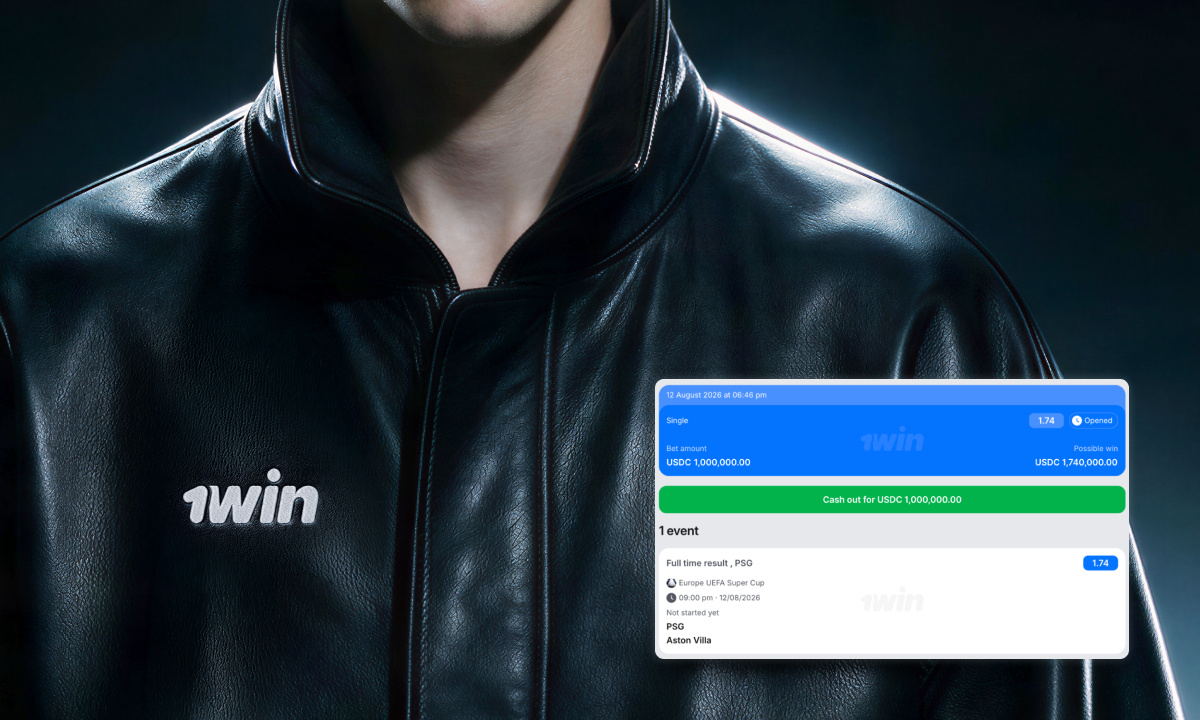
Crypto Player Takes Home $1.749M After a Million PSG Bet on 1win