Ostium Oracle Attack Drains 18M USDC, Cuts Liquidity by One-Third
Ostium, a decentralized derivatives protocol, was hit by an oracle attack that reportedly drained about 18 million USDC and wiped out roughly one-third of the protocol’s liquidity, according to reporting published on July 15, 2026. The incident is the latest in a wave of oracle-related exploits targeting DeFi.
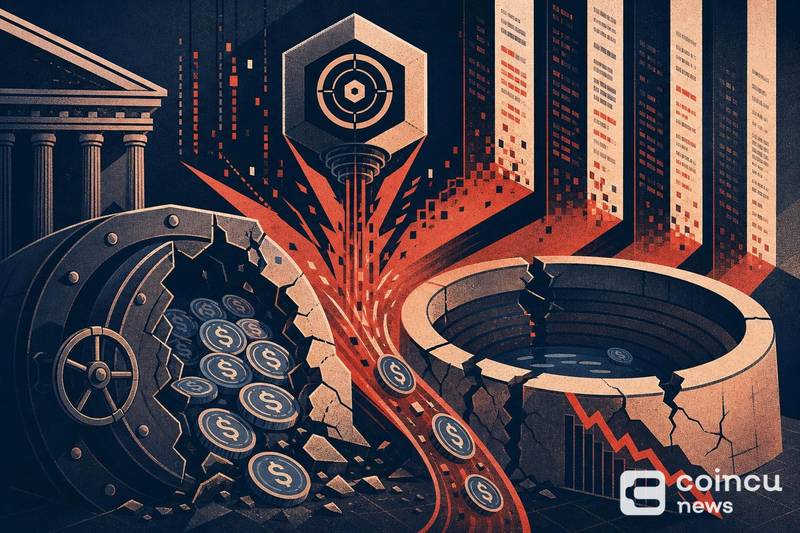
The exploit was described as an oracle attack that drained the protocol’s vault, a CoinDesk report said, placing the loss at 18 million USDC. Ostium halted trading following the incident, according to The Defiant.
The reported loss represents about one-third of the protocol’s liquidity, based on the figures circulating in early reporting. Details on the attacker, the exploit path, and any recovery remained limited at the time of writing. For related coverage, see Galaxy Digital: BTC Old Currency Awakenings in 2026 to Drop by More Than Half.
How the loss affected Ostium’s liquidity and trading
The most concrete consequence reported was the scale of the liquidity hit: roughly one-third of the protocol’s pooled funds. For a derivatives protocol, that pool underwrites trader positions, so a drain of that size directly threatens the system’s ability to operate normally. For related coverage, see Binance to List Multiple bStocks Trading Pairs on July 15, 2026.
Trading was halted after the exploit, per The Defiant’s account, a step that typically follows when a protocol needs to contain further losses. Ostium’s liquidity is supplied through its OLP vault, which the project has described in its own liquidity provider documentation. Ongoing protocol metrics are tracked on Ostium’s DefiLlama page.
What an oracle attack means for DeFi protocols
An oracle attack targets the external price feeds a protocol relies on to value assets and positions. If an attacker can feed a manipulated or incorrect price into the system, the protocol may settle trades, mint, or release funds at valuations that do not reflect the real market. For related coverage, see DTCC Completes Real-Time Tokenized Stock, ETF and Treasury Processing Ahead of October Launch.
Because derivatives and lending platforms depend on accurate price inputs, oracle-dependent protocols are a recurring target. CoinDesk framed the Ostium incident as part of a continuing wave of oracle attacks hitting DeFi, underscoring that this class of risk has not been resolved across the sector.
Stablecoins like USDC sit at the center of many of these exploits because they are the settlement asset held in protocol vaults. The stablecoin’s plumbing has drawn wider scrutiny recently, from exchange-level changes such as Coinbase ending USDC deposits and withdrawals on the Noble network to institutional moves like BlackRock’s tokenized money market fund filing.
What is confirmed and what is still unknown
The available research on this incident is only partially verified, and several details commonly reported in exploit coverage were not yet independently confirmed. No reliable market reaction data or on-chain forensic breakdown was available at the time of writing.
There was also no verified expert commentary or attribution of the attacker. Readers should treat the 18 million USDC figure and the one-third liquidity estimate as reported rather than fully settled numbers, as more evidence may emerge and refine them.
FAQ about the Ostium exploit
What is Ostium? Ostium is a decentralized derivatives protocol whose trader positions are backed by a liquidity vault supplied by liquidity providers.
How much was lost? Reporting placed the loss at about 18 million USDC, equal to roughly one-third of the protocol’s liquidity.
What is an oracle attack? It is an exploit that manipulates or corrupts the price data a protocol uses, causing it to release or misprice funds.
Was trading halted? Yes. The Defiant reported that Ostium halted trading after the exploit.
What is still unknown? The attacker’s identity, the exact exploit mechanics, any recovery, and confirmed market impact were not established in the available reporting.
Disclaimer: This article is for informational purposes only and does not constitute financial or investment advice. Cryptocurrency and digital asset markets carry significant risk. Always do your own research before making decisions.
No tags available.


Other Posts








- China, US Conclude Trade Talks with Focus on Cooperation
- Crypto Weekly: NYSE Backs OKX, Kraken Gets Fed Access, BTC Sells
- Court Upholds Fed’s Rejection of Custodia Bank’s Request
- Former CFO Convicted for $35M Fraudulent Crypto Investment
- DeriW Launches Edge Hour Trading Competition Platform for Derivatives Traders
- Michael Saylor Denies Bitcoin Sell-Off Amid Large BTC Transfer
- Buy Dogecoin on eToro: Step-by-Step Guide for Beginners (2024)
- Kazakhstan Explores Crypto Reserves Backed by National Funds
- JPMorgan Increases Holdings in BlackRock’s Bitcoin ETF
- Nordea Bank Introduces Bitcoin ETP Trading for Nordic Customers
- XRP Spot ETF Launches on Nasdaq Amid Market Fluctuations
- Peter Schiff Challenges Michael Saylor on MSTR’s Business Model
- Thailand Orders Worldcoin to Delete 1.2 Million Biometric Records
- UK Proposes New DeFi Tax Framework to Ease User Burden
- WLFI Under Fire: Analyst Warns Hyperliquid Could Be Next
- Ancient Ethereum Whale Moves $1.19 Billion After Decade
- BlackRock Receives Large Crypto Transfers from Coinbase
- SEC Scrutiny on ALT5 Sigma’s Leadership Disclosure Timing
- Yala Injects $5.5 Million Amid Recovery Efforts
- Radiant Capital Faces $50M Loss in Major Security Breach
- China, US Conclude Trade Talks with Focus on Cooperation
- Crypto Weekly: NYSE Backs OKX, Kraken Gets Fed Access, BTC Sells
- Court Upholds Fed’s Rejection of Custodia Bank’s Request
- Former CFO Convicted for $35M Fraudulent Crypto Investment
- DeriW Launches Edge Hour Trading Competition Platform for Derivatives Traders
- Michael Saylor Denies Bitcoin Sell-Off Amid Large BTC Transfer
- Buy Dogecoin on eToro: Step-by-Step Guide for Beginners (2024)
- Kazakhstan Explores Crypto Reserves Backed by National Funds
- JPMorgan Increases Holdings in BlackRock’s Bitcoin ETF
- Nordea Bank Introduces Bitcoin ETP Trading for Nordic Customers
- XRP Spot ETF Launches on Nasdaq Amid Market Fluctuations
- Peter Schiff Challenges Michael Saylor on MSTR’s Business Model
- Thailand Orders Worldcoin to Delete 1.2 Million Biometric Records
- UK Proposes New DeFi Tax Framework to Ease User Burden
- WLFI Under Fire: Analyst Warns Hyperliquid Could Be Next
- Ancient Ethereum Whale Moves $1.19 Billion After Decade
- BlackRock Receives Large Crypto Transfers from Coinbase
- SEC Scrutiny on ALT5 Sigma’s Leadership Disclosure Timing
- Yala Injects $5.5 Million Amid Recovery Efforts
- Radiant Capital Faces $50M Loss in Major Security Breach
- China, US Conclude Trade Talks with Focus on Cooperation
- Crypto Weekly: NYSE Backs OKX, Kraken Gets Fed Access, BTC Sells
- Court Upholds Fed’s Rejection of Custodia Bank’s Request
- Former CFO Convicted for $35M Fraudulent Crypto Investment
- DeriW Launches Edge Hour Trading Competition Platform for Derivatives Traders
- Michael Saylor Denies Bitcoin Sell-Off Amid Large BTC Transfer
- Buy Dogecoin on eToro: Step-by-Step Guide for Beginners (2024)
- Kazakhstan Explores Crypto Reserves Backed by National Funds
- JPMorgan Increases Holdings in BlackRock’s Bitcoin ETF
- Nordea Bank Introduces Bitcoin ETP Trading for Nordic Customers
- XRP Spot ETF Launches on Nasdaq Amid Market Fluctuations
- Peter Schiff Challenges Michael Saylor on MSTR’s Business Model
- Thailand Orders Worldcoin to Delete 1.2 Million Biometric Records
- UK Proposes New DeFi Tax Framework to Ease User Burden
- WLFI Under Fire: Analyst Warns Hyperliquid Could Be Next
- Ancient Ethereum Whale Moves $1.19 Billion After Decade
- BlackRock Receives Large Crypto Transfers from Coinbase
- SEC Scrutiny on ALT5 Sigma’s Leadership Disclosure Timing
- Yala Injects $5.5 Million Amid Recovery Efforts
- Radiant Capital Faces $50M Loss in Major Security Breach

Ostium Oracle Attack Drains 18M USDC, Cuts Liquidity by One-Third

DTCC Completes Real-Time Tokenized Stock, ETF and Treasury Processing Ahead of October Launch

BlackRock Files Registration Statement for Tokenized Money Market Fund

CT3 Announces Dedicated Storage Contracts to Expand Decentralized Storage Infrastructure
EthSystems Launches to Build Privacy Solutions for Institutions on Ethereum