Santiment: Ethereum-Based USDT Sees Biggest Exchange Net Outflow in 3 Months
Santiment flagged that Ethereum-based USDT recorded its largest exchange net outflow in nearly three months on Friday, drawing attention to a shift in how stablecoin liquidity is moving across trading venues.
The on-chain analytics platform identified the outflow as notable for its size relative to recent weeks. The metric tracks the net difference between USDT flowing into centralized exchanges and USDT leaving them, specifically on the Ethereum network rather than across all chains where Tether operates.
A discussion on the r/AltScope subreddit referencing the Santiment observation confirmed that it was the largest such movement in the period tracked.
What Exchange Net Outflow Means for Ethereum-Based USDT
Exchange net outflow measures whether more of an asset is leaving exchanges than entering them over a given period. When outflows exceed inflows, the net figure turns negative, meaning the total supply of that asset sitting on exchange wallets has decreased.
For USDT specifically, this distinction matters because Tether is issued on multiple blockchains. Ethereum-based USDT (ERC-20) is one of the oldest and most widely used versions, but Tether also circulates on Tron, Solana, Avalanche, and other networks. Santiment’s observation applies only to the Ethereum variant.
That chain-specific framing is important. A large outflow of ERC-20 USDT does not necessarily mean total USDT supply on exchanges dropped by the same amount. Traders may have moved stablecoins to Tron-based USDT or other chains rather than withdrawing from exchanges entirely.
Why Traders Watch Stablecoin Flow Signals
Large stablecoin outflows from exchanges are often interpreted as a sign that holders are moving funds into self-custody wallets, DeFi protocols, or over-the-counter arrangements. When significant USDT leaves exchanges, it can reduce the pool of immediately available buying power on those platforms.
The fact that Friday’s outflow was the largest in nearly three months makes it statistically unusual by recent standards. However, a single-day reading does not establish a trend. Similar spikes in the past have sometimes preceded directional moves in crypto markets, but they have also reversed quickly without lasting impact.
Stablecoin dynamics have been a growing area of focus for market participants. BlackRock’s plans for tokenized money market funds targeting stablecoin holders highlight how institutional players are increasingly engaging with the stablecoin ecosystem, which could influence how large holders manage their USDT positions.
Why One-Day Flow Data Requires Caution
Friday’s outflow is a single data point. Without knowing the specific wallets involved, the transactions could represent anything from a large institution rebalancing its treasury to an exchange performing routine wallet maintenance.
Santiment tracks exchange flow metrics across multiple Ethereum-based assets, and isolated spikes in any single metric are common. Sustained outflows over multiple days or confirmation from complementary indicators such as open interest changes would elevate this signal.
Readers following stablecoin liquidity trends should also consider broader context. Events like security incidents affecting DeFi protocols can trigger large stablecoin movements as holders reassess counterparty risk. Similarly, corporate treasury strategies involving digital assets often involve significant stablecoin rebalancing that shows up in on-chain flow data.
FAQ About Ethereum-Based USDT Exchange Net Outflows
What is Ethereum-based USDT?
Ethereum-based USDT is Tether’s dollar-pegged stablecoin issued as an ERC-20 token on the Ethereum blockchain. It is one of several chain-specific versions of USDT, with others existing on Tron, Solana, and additional networks.
What does exchange net outflow mean?
Exchange net outflow is the difference between the amount of an asset withdrawn from centralized exchanges and the amount deposited. A net outflow means more left exchanges than entered them during the measured period.
Why would a large USDT outflow from exchanges matter?
A large outflow reduces the stablecoin liquidity available on trading platforms. This can affect how quickly large orders are filled and may signal that holders prefer to keep funds outside exchange custody, whether for DeFi use, self-custody, or other purposes. However, a single-day outflow does not confirm any directional market thesis on its own.
Disclaimer: This article is for informational purposes only and does not constitute financial or investment advice. Cryptocurrency and digital asset markets carry significant risk. Always do your own research before making decisions.
No tags available.


Other Posts








- Amplify 2024: Ohio’s Premier Blockchain Summit
- China, US Conclude Trade Talks with Focus on Cooperation
- Crypto Weekly: NYSE Backs OKX, Kraken Gets Fed Access, BTC Sells
- DeriW Launches Edge Hour Trading Competition Platform for Derivatives Traders
- Michael Saylor Denies Bitcoin Sell-Off Amid Large BTC Transfer
- Court Upholds Fed’s Rejection of Custodia Bank’s Request
- Former CFO Convicted for $35M Fraudulent Crypto Investment
- EU Opens Antitrust Probe Into Deutsche Boerse and Nasdaq Derivatives Dealings
- Kazakhstan Explores Crypto Reserves Backed by National Funds
- JPMorgan Increases Holdings in BlackRock’s Bitcoin ETF
- Nordea Bank Introduces Bitcoin ETP Trading for Nordic Customers
- XRP Spot ETF Launches on Nasdaq Amid Market Fluctuations
- JPMorgan Chase Launches 24/7 Digital Deposit Token for Clients
- Crypto Leaders Address Macro Volatility Amid Market Shifts
- Buy Dogecoin on eToro: Step-by-Step Guide for Beginners (2024)
- Peter Schiff Challenges Michael Saylor on MSTR’s Business Model
- Thailand Orders Worldcoin to Delete 1.2 Million Biometric Records
- UK Proposes New DeFi Tax Framework to Ease User Burden
- U.S. Treasury Proposes New Tax Relief Regulations
- Uniswap’s UNIfication Proposal Gains Massive Preliminary Support
- Amplify 2024: Ohio’s Premier Blockchain Summit
- China, US Conclude Trade Talks with Focus on Cooperation
- Crypto Weekly: NYSE Backs OKX, Kraken Gets Fed Access, BTC Sells
- DeriW Launches Edge Hour Trading Competition Platform for Derivatives Traders
- Michael Saylor Denies Bitcoin Sell-Off Amid Large BTC Transfer
- Court Upholds Fed’s Rejection of Custodia Bank’s Request
- Former CFO Convicted for $35M Fraudulent Crypto Investment
- EU Opens Antitrust Probe Into Deutsche Boerse and Nasdaq Derivatives Dealings
- Kazakhstan Explores Crypto Reserves Backed by National Funds
- JPMorgan Increases Holdings in BlackRock’s Bitcoin ETF
- Nordea Bank Introduces Bitcoin ETP Trading for Nordic Customers
- XRP Spot ETF Launches on Nasdaq Amid Market Fluctuations
- JPMorgan Chase Launches 24/7 Digital Deposit Token for Clients
- Crypto Leaders Address Macro Volatility Amid Market Shifts
- Buy Dogecoin on eToro: Step-by-Step Guide for Beginners (2024)
- Peter Schiff Challenges Michael Saylor on MSTR’s Business Model
- Thailand Orders Worldcoin to Delete 1.2 Million Biometric Records
- UK Proposes New DeFi Tax Framework to Ease User Burden
- U.S. Treasury Proposes New Tax Relief Regulations
- Uniswap’s UNIfication Proposal Gains Massive Preliminary Support
- Amplify 2024: Ohio’s Premier Blockchain Summit
- China, US Conclude Trade Talks with Focus on Cooperation
- Crypto Weekly: NYSE Backs OKX, Kraken Gets Fed Access, BTC Sells
- DeriW Launches Edge Hour Trading Competition Platform for Derivatives Traders
- Michael Saylor Denies Bitcoin Sell-Off Amid Large BTC Transfer
- Court Upholds Fed’s Rejection of Custodia Bank’s Request
- Former CFO Convicted for $35M Fraudulent Crypto Investment
- EU Opens Antitrust Probe Into Deutsche Boerse and Nasdaq Derivatives Dealings
- Kazakhstan Explores Crypto Reserves Backed by National Funds
- JPMorgan Increases Holdings in BlackRock’s Bitcoin ETF
- Nordea Bank Introduces Bitcoin ETP Trading for Nordic Customers
- XRP Spot ETF Launches on Nasdaq Amid Market Fluctuations
- JPMorgan Chase Launches 24/7 Digital Deposit Token for Clients
- Crypto Leaders Address Macro Volatility Amid Market Shifts
- Buy Dogecoin on eToro: Step-by-Step Guide for Beginners (2024)
- Peter Schiff Challenges Michael Saylor on MSTR’s Business Model
- Thailand Orders Worldcoin to Delete 1.2 Million Biometric Records
- UK Proposes New DeFi Tax Framework to Ease User Burden
- U.S. Treasury Proposes New Tax Relief Regulations
- Uniswap’s UNIfication Proposal Gains Massive Preliminary Support
Latest

Bitcoin Momentum Indicator Drops to -59 as Demand Turns Negative


Gate and Alpaca Announce Strategic Partnership on Digital Asset and Traditional Finance Integration
Press Release

Can Beginners Use AI Trading Bots Without Coding or Watching Charts? Why I Started Paying Attention to BulkQuant
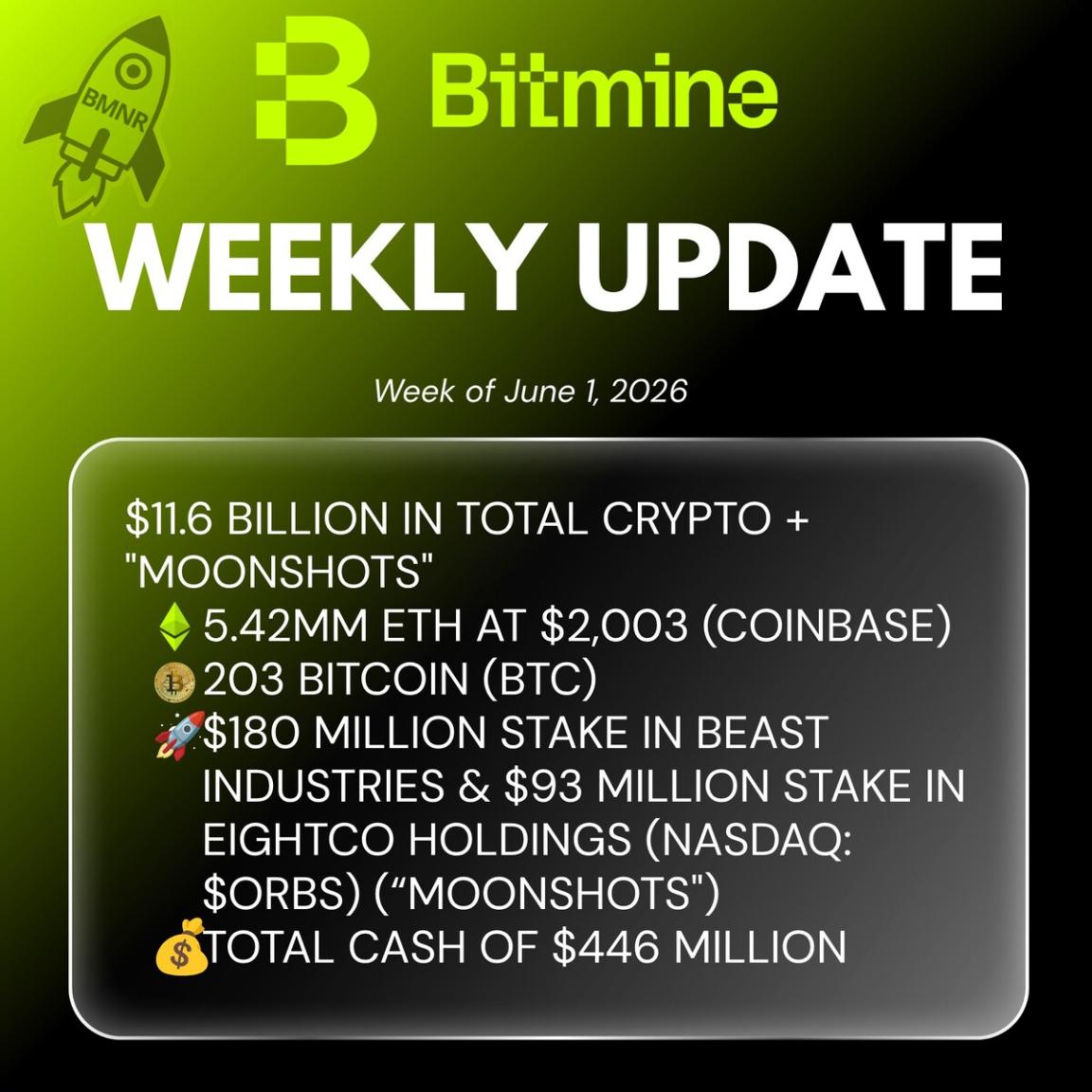
Bitmine Immersion Technologies (BMNR) Announces ETH Holdings Reach 5.42 Million Tokens, and Total Crypto and Total Cash Holdings of $11.6 Billion