Binance Futures Converts QNTXUSDT Pre-IPO Contract Into Standard U-Margined TradFi Perpetual
Binance Futures is set to convert the QNTXUSDT Pre-IPO perpetual contract into a standard U-margined TradFi perpetual contract, shifting the instrument from a pre-listing speculative product to a normalized futures offering on the exchange.
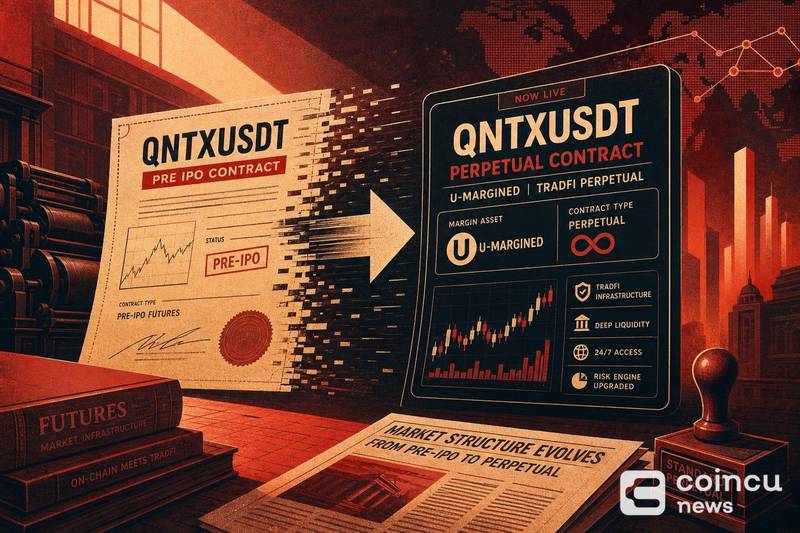
The conversion applies specifically to the QNTXUSDT trading pair on Binance Futures. Rather than delisting the Pre-IPO contract and launching a separate product, Binance is transitioning the existing contract into a standard format, preserving the ticker while changing the underlying contract classification.
Binance’s official support announcement details the conversion mechanics. Traders holding open positions in the Pre-IPO contract should review the notice for specifics on how existing positions, margin requirements, and funding rates will be handled during the transition.
What changes when a Pre-IPO contract becomes a standard U-margined perpetual
Pre-IPO perpetual contracts on Binance Futures allow traders to speculate on the price of assets before they formally list on spot markets. These instruments typically carry distinct risk parameters, including adjusted leverage limits and separate liquidity pools, reflecting the higher uncertainty around pre-listing assets.
A standard U-margined perpetual contract, by contrast, is settled and margined in USDT. The “U-margined” designation means traders post Tether (USDT) as collateral rather than the underlying asset itself. This is the most common contract format across Binance Futures and other major derivatives platforms.
The “TradFi” label in the contract name signals that QNTX is linked to a traditional finance asset. Quantinuum, the quantum computing company, recently announced the pricing of its upsized initial public offering, which provides context for why Binance is reclassifying the contract from Pre-IPO to standard status.
What traders should monitor during the transition
Contract conversions can affect several trading conditions simultaneously. Liquidity may shift as market makers adjust to the new contract parameters, and bid-ask spreads could widen temporarily during the changeover period.
Funding rates are a key variable to watch. Pre-IPO contracts often carry funding mechanics that differ from standard perpetuals, and the transition could reset or alter the funding baseline. Traders with open positions should verify whether their margin levels and liquidation prices change under the new contract terms.
Open interest continuity is another consideration. Binance has not always handled contract migrations identically, so traders should confirm directly through the Binance Futures API whether the QNTXUSDT instrument retains its existing order book or resets.
Volatility around the conversion date is common in contract transitions. Traders active in other Binance Futures pairs, including those tracking developments in crypto-linked enforcement actions or exchange platform developments, should note that contract reclassifications can temporarily affect correlated instruments on the same platform.
How this fits Binance’s derivatives product structure
The move from a Pre-IPO label to a standard U-margined TradFi perpetual reflects a pattern of product normalization on Binance Futures. When an underlying asset completes its public listing process, the speculative Pre-IPO wrapper is no longer necessary, and a standard contract format improves accessibility for a broader set of traders.
Binance has used the TradFi perpetual category to offer crypto-native derivatives exposure to traditional equities and assets. Converting QNTXUSDT into this category aligns the contract with other TradFi perpetuals on the platform, standardizing margin requirements and trading rules across the product line.
For traders evaluating opportunities across different crypto market segments, the availability of TradFi perpetuals on Binance Futures represents an expanding bridge between traditional and digital asset markets.
FAQ
Does the ticker symbol change after the conversion?
The trading pair remains QNTXUSDT. The conversion changes the contract classification and parameters, not the ticker itself.
What does U-margined mean for traders?
U-margined means the contract uses USDT as collateral. Traders post and settle profits and losses in Tether rather than in the underlying QNTX asset, simplifying margin management across multiple positions.
What should traders do before the conversion takes effect?
Review the official Binance Futures announcement for the exact conversion date, any changes to leverage limits, and instructions on how existing open positions will be handled. Adjusting stop-loss orders and margin levels ahead of the transition is prudent given the potential for temporary liquidity changes.
Disclaimer: This article is for informational purposes only and does not constitute financial or investment advice. Cryptocurrency and digital asset markets carry significant risk. Always do your own research before making decisions.
No tags available.


Other Posts








- China, US Conclude Trade Talks with Focus on Cooperation
- Crypto Weekly: NYSE Backs OKX, Kraken Gets Fed Access, BTC Sells
- Court Upholds Fed’s Rejection of Custodia Bank’s Request
- Former CFO Convicted for $35M Fraudulent Crypto Investment
- DeriW Launches Edge Hour Trading Competition Platform for Derivatives Traders
- Michael Saylor Denies Bitcoin Sell-Off Amid Large BTC Transfer
- Buy Dogecoin on eToro: Step-by-Step Guide for Beginners (2024)
- Kazakhstan Explores Crypto Reserves Backed by National Funds
- JPMorgan Increases Holdings in BlackRock’s Bitcoin ETF
- Nordea Bank Introduces Bitcoin ETP Trading for Nordic Customers
- XRP Spot ETF Launches on Nasdaq Amid Market Fluctuations
- Peter Schiff Challenges Michael Saylor on MSTR’s Business Model
- Thailand Orders Worldcoin to Delete 1.2 Million Biometric Records
- UK Proposes New DeFi Tax Framework to Ease User Burden
- WLFI Under Fire: Analyst Warns Hyperliquid Could Be Next
- Ancient Ethereum Whale Moves $1.19 Billion After Decade
- BlackRock Receives Large Crypto Transfers from Coinbase
- SEC Scrutiny on ALT5 Sigma’s Leadership Disclosure Timing
- Yala Injects $5.5 Million Amid Recovery Efforts
- Radiant Capital Faces $50M Loss in Major Security Breach
- China, US Conclude Trade Talks with Focus on Cooperation
- Crypto Weekly: NYSE Backs OKX, Kraken Gets Fed Access, BTC Sells
- Court Upholds Fed’s Rejection of Custodia Bank’s Request
- Former CFO Convicted for $35M Fraudulent Crypto Investment
- DeriW Launches Edge Hour Trading Competition Platform for Derivatives Traders
- Michael Saylor Denies Bitcoin Sell-Off Amid Large BTC Transfer
- Buy Dogecoin on eToro: Step-by-Step Guide for Beginners (2024)
- Kazakhstan Explores Crypto Reserves Backed by National Funds
- JPMorgan Increases Holdings in BlackRock’s Bitcoin ETF
- Nordea Bank Introduces Bitcoin ETP Trading for Nordic Customers
- XRP Spot ETF Launches on Nasdaq Amid Market Fluctuations
- Peter Schiff Challenges Michael Saylor on MSTR’s Business Model
- Thailand Orders Worldcoin to Delete 1.2 Million Biometric Records
- UK Proposes New DeFi Tax Framework to Ease User Burden
- WLFI Under Fire: Analyst Warns Hyperliquid Could Be Next
- Ancient Ethereum Whale Moves $1.19 Billion After Decade
- BlackRock Receives Large Crypto Transfers from Coinbase
- SEC Scrutiny on ALT5 Sigma’s Leadership Disclosure Timing
- Yala Injects $5.5 Million Amid Recovery Efforts
- Radiant Capital Faces $50M Loss in Major Security Breach
- China, US Conclude Trade Talks with Focus on Cooperation
- Crypto Weekly: NYSE Backs OKX, Kraken Gets Fed Access, BTC Sells
- Court Upholds Fed’s Rejection of Custodia Bank’s Request
- Former CFO Convicted for $35M Fraudulent Crypto Investment
- DeriW Launches Edge Hour Trading Competition Platform for Derivatives Traders
- Michael Saylor Denies Bitcoin Sell-Off Amid Large BTC Transfer
- Buy Dogecoin on eToro: Step-by-Step Guide for Beginners (2024)
- Kazakhstan Explores Crypto Reserves Backed by National Funds
- JPMorgan Increases Holdings in BlackRock’s Bitcoin ETF
- Nordea Bank Introduces Bitcoin ETP Trading for Nordic Customers
- XRP Spot ETF Launches on Nasdaq Amid Market Fluctuations
- Peter Schiff Challenges Michael Saylor on MSTR’s Business Model
- Thailand Orders Worldcoin to Delete 1.2 Million Biometric Records
- UK Proposes New DeFi Tax Framework to Ease User Burden
- WLFI Under Fire: Analyst Warns Hyperliquid Could Be Next
- Ancient Ethereum Whale Moves $1.19 Billion After Decade
- BlackRock Receives Large Crypto Transfers from Coinbase
- SEC Scrutiny on ALT5 Sigma’s Leadership Disclosure Timing
- Yala Injects $5.5 Million Amid Recovery Efforts
- Radiant Capital Faces $50M Loss in Major Security Breach

Binance Wallet Adds Limit Orders on Ethereum and Base for Web and App Users


EthSystems Launches to Build Privacy Solutions for Institutions on Ethereum
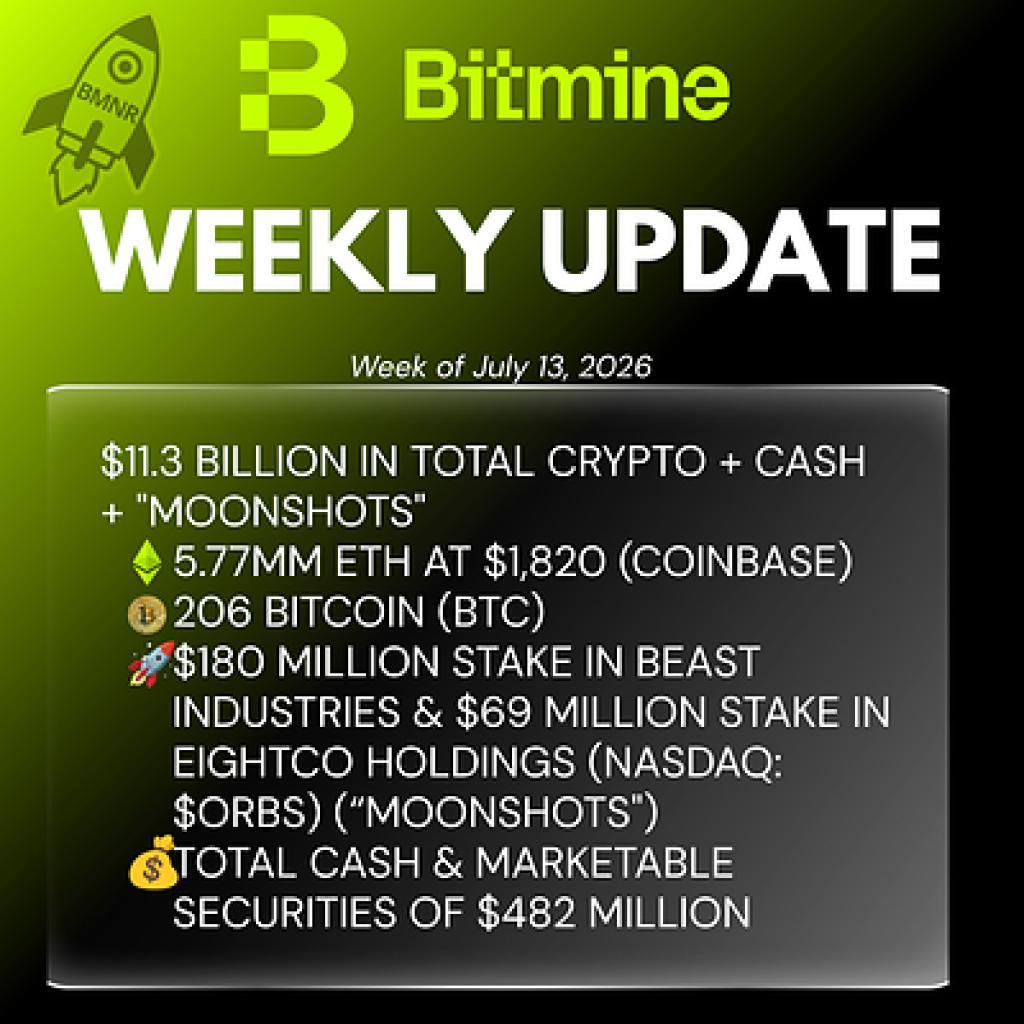
Bitmine Immersion Technologies (BMNR) Announces ETH Holdings Reach 5.77 Million Tokens, and Total Crypto and Total Cash Holdings of $11.3 Billion