Senator Lummis Pushes CLARITY Act to Target Crypto Crime Tied to Lazarus
Senator Cynthia Lummis is pushing an updated version of the CLARITY Act, framing the market-structure bill as a tool to counter crypto crime and illicit finance tied to actors like the Lazarus Group. The revised text adds safeguards aimed at consumers and law enforcement, sharpening the debate over how U.S. lawmakers police digital-asset crime.
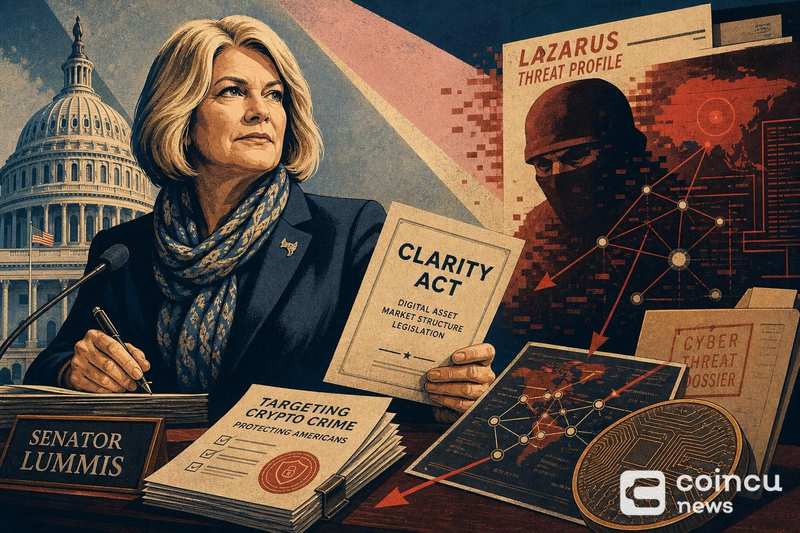
Why Lummis Is Linking the CLARITY Act to Crypto Crime
Wyoming Republican Senator Cynthia Lummis released updated text for the CLARITY Act, according to a statement from her Senate office. This is a legislative push, not an enacted law. For related coverage, see White House Aims for Bipartisan Crypto Legislation in 2025.
The revision folds in new provisions on illicit finance, per an accompanying one-pager on the bill’s illicit-finance measures. Framing a market-structure bill around crime prevention shifts its political weight from an industry-rules question toward a national-security one. For related coverage, see U.S. Senate Drafts Crypto Market Structure Bill.
Lummis has previously used her platform to shape U.S. digital-asset policy, including her separate proposal for crypto tax reform. The CLARITY Act sits within a broader wave of legislative activity, following an earlier draft that added crypto ethics provisions for senior officials.
How the Lazarus Comparison Raises the Stakes
Invoking groups like Lazarus positions the bill against the most serious category of illicit-finance risk rather than routine compliance gaps. The comparison functions as a benchmark for the threats lawmakers say the legislation should address.
Reporting on the revised text notes that Lummis updated the act with new safeguards for consumers and law enforcement, according to CoinDesk. That security-linked framing tends to raise pressure for stricter oversight across the crypto market.
What the CLARITY Act Could Mean for the Crypto Industry
Legislation built around crime prevention typically signals heightened compliance expectations for exchanges, token projects, and their supervisory teams. The specific statutory outcomes are not yet settled, so firms should separate likely direction from confirmed provisions.
Industry participants have argued that clearer federal rules could strengthen the U.S. crypto framework, a view reflected in Coinbase’s position that the CLARITY Act would reinforce national-security safeguards. For retail readers, the practical stake is how enforcement and disclosure rules evolve if the measure advances.
Why This Story Matters Beyond Washington
U.S. legislation often influences exchange policy and cross-border compliance expectations well beyond American borders. Crime-linked narratives can also weigh on institutional confidence in digital assets.
The push arrives amid ongoing Senate work on crypto market-structure legislation. Legislative momentum itself can shape industry behavior before any final vote.
FAQ: Lummis, the CLARITY Act, and Crypto Crime
Who is Senator Cynthia Lummis?
Cynthia Lummis is a Republican U.S. Senator from Wyoming who has been active on digital-asset policy and released the updated CLARITY Act text through her Senate office.
What is the CLARITY Act?
It is proposed federal legislation on crypto market structure. Lummis’s revised version adds provisions focused on illicit finance and new safeguards for consumers and law enforcement.
Why is Lazarus mentioned in crypto regulation debates?
Groups like Lazarus are cited as examples of the serious illicit-finance threats lawmakers say tighter oversight should target. The reference underscores the national-security framing behind the bill’s crime-prevention measures.
Disclaimer: This article is for informational purposes only and does not constitute financial or investment advice. Cryptocurrency and digital asset markets carry significant risk. Always do your own research before making decisions.
No tags available.


Other Posts







- China, US Conclude Trade Talks with Focus on Cooperation
- Court Upholds Fed’s Rejection of Custodia Bank’s Request
- Crypto Weekly: NYSE Backs OKX, Kraken Gets Fed Access, BTC Sells
- Former CFO Convicted for $35M Fraudulent Crypto Investment
- DeriW Launches Edge Hour Trading Competition Platform for Derivatives Traders
- Michael Saylor Denies Bitcoin Sell-Off Amid Large BTC Transfer
- Buy Dogecoin on eToro: Step-by-Step Guide for Beginners (2024)
- Kazakhstan Explores Crypto Reserves Backed by National Funds
- JPMorgan Increases Holdings in BlackRock’s Bitcoin ETF
- Nordea Bank Introduces Bitcoin ETP Trading for Nordic Customers
- XRP Spot ETF Launches on Nasdaq Amid Market Fluctuations
- Peter Schiff Challenges Michael Saylor on MSTR’s Business Model
- Thailand Orders Worldcoin to Delete 1.2 Million Biometric Records
- UK Proposes New DeFi Tax Framework to Ease User Burden
- WLFI Under Fire: Analyst Warns Hyperliquid Could Be Next
- Ancient Ethereum Whale Moves $1.19 Billion After Decade
- BlackRock Receives Large Crypto Transfers from Coinbase
- SEC Scrutiny on ALT5 Sigma’s Leadership Disclosure Timing
- Yala Injects $5.5 Million Amid Recovery Efforts
- Radiant Capital Faces $50M Loss in Major Security Breach
- China, US Conclude Trade Talks with Focus on Cooperation
- Court Upholds Fed’s Rejection of Custodia Bank’s Request
- Crypto Weekly: NYSE Backs OKX, Kraken Gets Fed Access, BTC Sells
- Former CFO Convicted for $35M Fraudulent Crypto Investment
- DeriW Launches Edge Hour Trading Competition Platform for Derivatives Traders
- Michael Saylor Denies Bitcoin Sell-Off Amid Large BTC Transfer
- Buy Dogecoin on eToro: Step-by-Step Guide for Beginners (2024)
- Kazakhstan Explores Crypto Reserves Backed by National Funds
- JPMorgan Increases Holdings in BlackRock’s Bitcoin ETF
- Nordea Bank Introduces Bitcoin ETP Trading for Nordic Customers
- XRP Spot ETF Launches on Nasdaq Amid Market Fluctuations
- Peter Schiff Challenges Michael Saylor on MSTR’s Business Model
- Thailand Orders Worldcoin to Delete 1.2 Million Biometric Records
- UK Proposes New DeFi Tax Framework to Ease User Burden
- WLFI Under Fire: Analyst Warns Hyperliquid Could Be Next
- Ancient Ethereum Whale Moves $1.19 Billion After Decade
- BlackRock Receives Large Crypto Transfers from Coinbase
- SEC Scrutiny on ALT5 Sigma’s Leadership Disclosure Timing
- Yala Injects $5.5 Million Amid Recovery Efforts
- Radiant Capital Faces $50M Loss in Major Security Breach
- China, US Conclude Trade Talks with Focus on Cooperation
- Court Upholds Fed’s Rejection of Custodia Bank’s Request
- Crypto Weekly: NYSE Backs OKX, Kraken Gets Fed Access, BTC Sells
- Former CFO Convicted for $35M Fraudulent Crypto Investment
- DeriW Launches Edge Hour Trading Competition Platform for Derivatives Traders
- Michael Saylor Denies Bitcoin Sell-Off Amid Large BTC Transfer
- Buy Dogecoin on eToro: Step-by-Step Guide for Beginners (2024)
- Kazakhstan Explores Crypto Reserves Backed by National Funds
- JPMorgan Increases Holdings in BlackRock’s Bitcoin ETF
- Nordea Bank Introduces Bitcoin ETP Trading for Nordic Customers
- XRP Spot ETF Launches on Nasdaq Amid Market Fluctuations
- Peter Schiff Challenges Michael Saylor on MSTR’s Business Model
- Thailand Orders Worldcoin to Delete 1.2 Million Biometric Records
- UK Proposes New DeFi Tax Framework to Ease User Burden
- WLFI Under Fire: Analyst Warns Hyperliquid Could Be Next
- Ancient Ethereum Whale Moves $1.19 Billion After Decade
- BlackRock Receives Large Crypto Transfers from Coinbase
- SEC Scrutiny on ALT5 Sigma’s Leadership Disclosure Timing
- Yala Injects $5.5 Million Amid Recovery Efforts
- Radiant Capital Faces $50M Loss in Major Security Breach


Sources: Trump Expected to Attend White House Meeting With Crypto CEOs

Bitcoin Mining Rigs Shut Down in Capital of Major Mining Power
Bitmine Immersion Technologies Announces Record and Payment Dates for Cash Dividends on 9.50% Series A Perpetual Preferred Stock
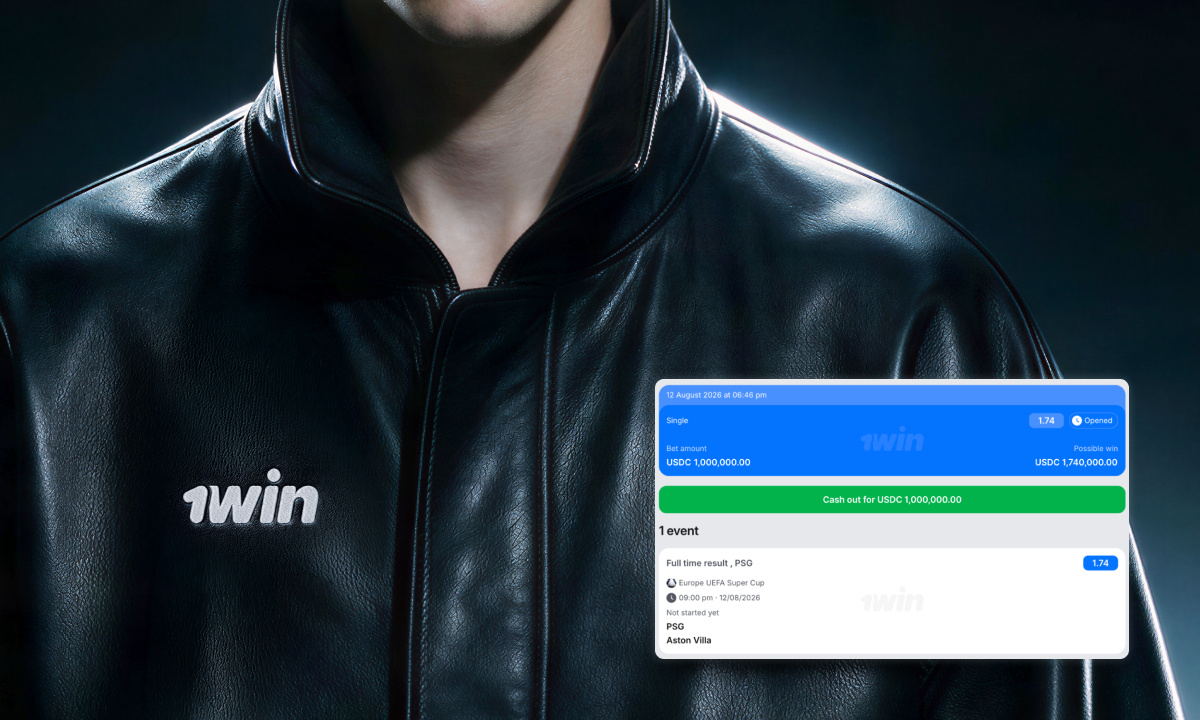
Crypto Player Takes Home $1.749M After a Million PSG Bet on 1win